Tri-Cities | Vibepedia
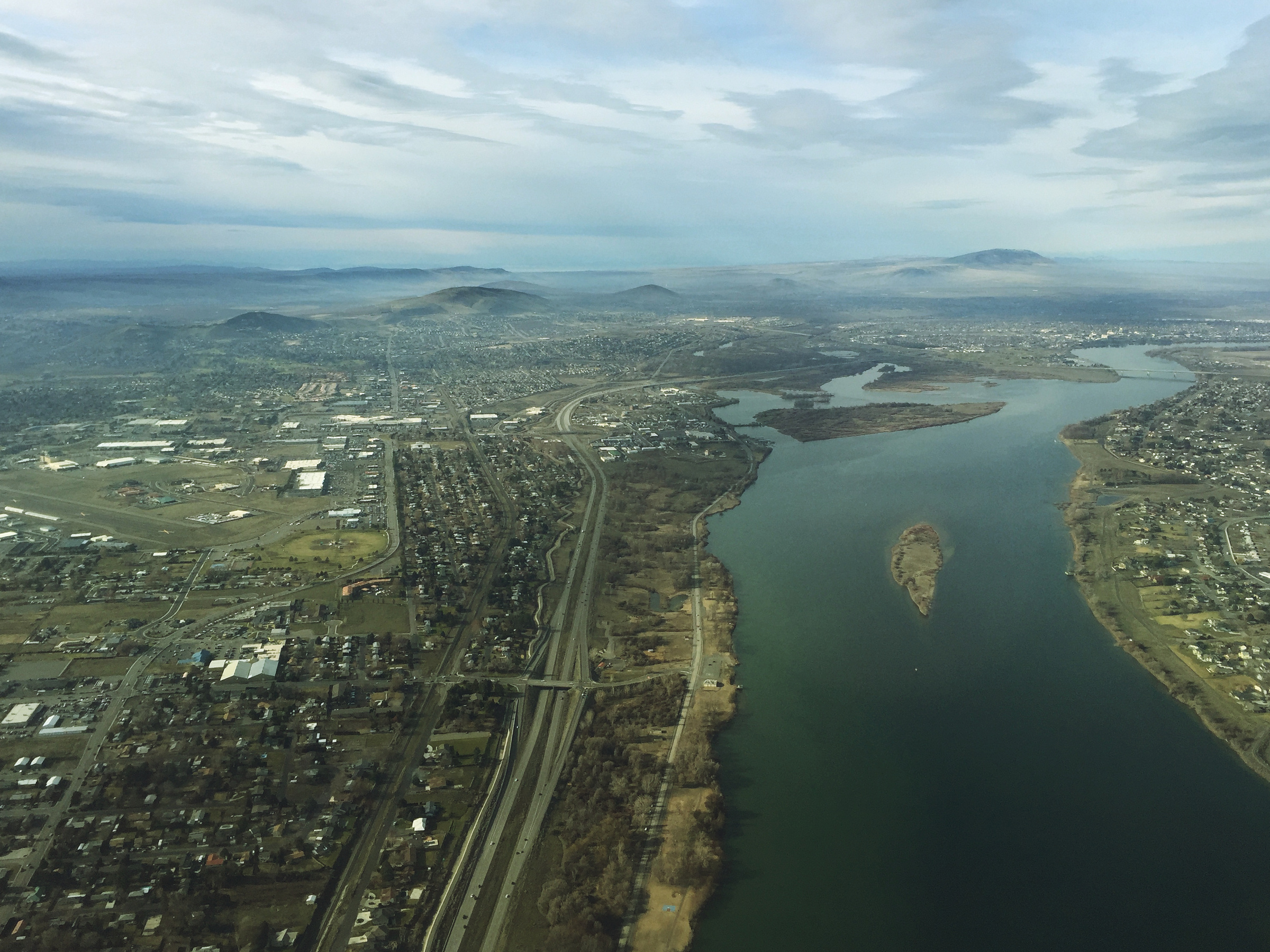
The Tri-Cities refer to the urban agglomeration of Kennewick, Pasco, and Richland. The region is a hub for agriculture, wine production, and advanced…
Contents
Overview
The genesis of the Tri-Cities as a unified entity is intrinsically linked to the development of the Columbia Basin Project and the Manhattan Project. Richland, initially a small farming community, was dramatically transformed when it was selected as the site for the Hanford Site, a secret U.S. Army facility tasked with producing plutonium for the atomic bombs used in World War II. This influx of workers and scientists led to rapid population growth and the establishment of a planned community. Kennewick, also a smaller agricultural town, experienced growth due to its strategic location and the agricultural boom facilitated by irrigation from the Columbia Basin Project. Pasco, situated across the Columbia River, developed as a transportation and agricultural center, benefiting from its position on major rail lines and its role in the region's burgeoning farming industry. The post-war era saw these three cities solidify their interdependence, with the shared infrastructure and economic drivers creating a de facto metropolitan area, officially recognized as the Tri-Cities.
⚙️ How It Works
The Tri-Cities function as a single economic and social unit through a combination of geographic proximity and shared infrastructure. The confluence of the Yakima, Snake, and Columbia rivers dictates the region's geography, with Kennewick and Pasco situated on opposite banks of the Columbia, and Richland located upstream on the Columbia, adjacent to the Yakima River's mouth. The Tri-Cities Airport in Pasco serves as a crucial transportation hub for the entire region, facilitating commerce and travel. Economic activity is diversified, with significant contributions from agriculture (particularly wine grapes and apples), manufacturing, healthcare, and the technology sector, largely influenced by the legacy of the Hanford Site and the ongoing Pacific Northwest National Laboratory (PNNL). Regional planning and development efforts often involve collaboration between the three city governments and county authorities to address shared challenges and opportunities.
📊 Key Facts & Numbers
The Hanford Site employs thousands of people. The agricultural sector is a major employer, with the region producing significant quantities of apples, cherries, and potatoes. Tri-Cities Airport (PSC) underscores its role as a regional gateway.
👥 Key People & Organizations
Key figures instrumental in the Tri-Cities' development include those associated with the Hanford Site, such as General Leslie Groves, who oversaw the Manhattan Project, and Enrico Fermi, a pivotal physicist involved in the first self-sustaining nuclear chain reaction at Chicago Pile-1 which paved the way for Hanford's plutonium production. Organizations like the Pacific Northwest National Laboratory (PNNL), operated by Battelle, are central to the region's scientific and technological identity. The Economic Development Council of Seattle and King County (though focused on Seattle, its regional influence extends) and local chambers of commerce in Kennewick, Pasco, and Richland play vital roles in economic growth and business attraction. The Atlanta Hawks (formerly the Sacramento Kings and St. Louis Hawks) are a professional basketball team with historical ties to the region, though their current operations are based in Atlanta.
🌍 Cultural Impact & Influence
The cultural identity of the Tri-Cities is a blend of its agricultural roots, its role in the Cold War and nuclear age, and its growing diversity. The presence of a large Hispanic and Latino population, particularly in Pasco, has introduced vibrant cultural influences in music, food, and community events. The legacy of the Hanford Site permeates local consciousness, influencing art, literature, and public discourse, often exploring themes of secrecy, scientific advancement, and environmental responsibility. The Tri-Cities Historical Museum in Kennewick and the Lee E. Hanford Jr. Museum of Art in Richland document and celebrate this multifaceted heritage. The region also hosts annual events like the Franklin County Fair and the Water Follies boat races, which draw significant crowds and foster community spirit.
⚡ Current State & Latest Developments
Recent developments in the Tri-Cities highlight continued growth and diversification. The Tri-Cities Airport has seen increased passenger traffic, prompting expansion plans to accommodate rising demand. The wine industry continues its upward trajectory, with new vineyards and tasting rooms opening regularly. In the technology sector, PNNL is at the forefront of research in areas like artificial intelligence, cybersecurity, and clean energy. The ongoing environmental cleanup at the Hanford Site remains a major undertaking, with significant federal investment and attention. Furthermore, the region is experiencing a boom in residential and commercial development, particularly in the areas surrounding Kennewick and Pasco, driven by population growth and economic opportunity. The Seattle Mariners have explored minor league affiliations in the region, indicating interest in its growing sports market.
🤔 Controversies & Debates
The Tri-Cities face several ongoing controversies and debates. The most prominent is the environmental legacy of the Hanford Site, particularly concerning the cleanup of radioactive waste and the potential for contamination of groundwater and the Columbia River. Debates persist regarding the pace and effectiveness of the cleanup efforts, with environmental groups often clashing with government agencies and contractors over safety and timelines. Another point of contention is the rapid population growth and its impact on infrastructure, including transportation, housing affordability, and water resources. Some residents express concerns about urban sprawl and the preservation of the region's agricultural character. Additionally, discussions surrounding the economic reliance on federal spending from the Hanford Site and the need for further private sector diversification are ongoing.
🔮 Future Outlook & Predictions
The future outlook for the Tri-Cities appears robust, driven by continued population growth and economic diversification. Projections indicate that the MSA population could exceed 400,000 by 2030, necessitating further investment in infrastructure and public services. The wine industry is expected to expand its national and international reach, solidifying the Tri-Cities' reputation as a premier wine destination. Advancements in clean energy research at PNNL and other institutions could position the region as a leader in sustainable technologies. While the Hanford Site cleanup will continue for decades, its transition from production to remediation may open new avenues for scientific research and economic development. The region's strategic locat
💡 Practical Applications
The Tri-Cities function as a single economic and social unit through a combination of geographic proximity and shared infrastructure. The confluence of the Yakima, Snake, and Columbia rivers dictates the region's geography, with Kennewick and Pasco situated on opposite banks of the Columbia, and Richland located upstream on the Columbia, adjacent to the Yakima River's mouth. The Tri-Cities Airport in Pasco serves as a crucial transportation hub for the entire region, facilitating commerce and travel. Economic activity is diversified, with significant contributions from agriculture (particularly wine grapes and apples), manufacturing, healthcare, and the technology sector, largely influenced by the legacy of the Hanford Site and the ongoing Pacific Northwest National Laboratory (PNNL). Regional planning and development efforts often involve collaboration between the three city governments and county authorities to address shared challenges and opportunities.
Key Facts
- Category
- place
- Type
- topic