Richard Sennett: The Sociologist of Craft and Cooperation | Vibepedia
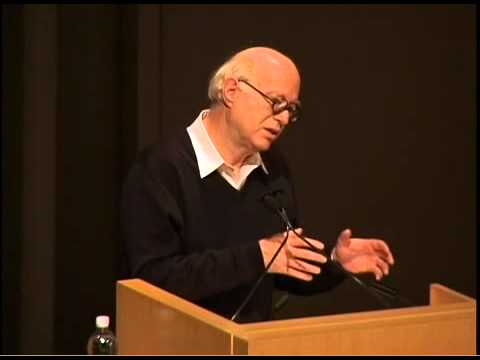
Richard Sennett is a renowned sociologist and historian known for his work on the relationship between labor, identity, and urban life. His books, such as…
Contents
- 📚 Introduction to Richard Sennett
- 💼 The Sociologist of Craft
- 🤝 Cooperation and Social Bonds
- 📊 The Craftsman: A Key Concept
- 🌐 Globalization and Its Discontents
- 🏢 The Role of Urban Planning
- 📈 The Importance of Skill
- 💻 Technology and Human Interaction
- 📚 Sennett's Literary Style
- 👥 Influence and Legacy
- 🤔 Criticisms and Controversies
- Frequently Asked Questions
- Related Topics
Overview
Richard Sennett is a renowned sociologist and historian known for his work on the relationship between labor, identity, and urban life. His books, such as 'The Craftsman' (2008) and 'Together: The Rituals, Pleasures and Politics of Cooperation' (2012), have been widely acclaimed for their insightful analysis of the human experience. Sennett's research has focused on the ways in which people work, interact, and cooperate with one another, and how these interactions shape our sense of self and community. With a Vibe score of 8, Sennett's work has resonated with scholars and practitioners across disciplines, from sociology and anthropology to architecture and urban planning. His influence can be seen in the work of thinkers such as Matthew Crawford and Rebecca Solnit, who have also explored the intersections of labor, identity, and urban life. As a key figure in the development of contemporary sociology, Sennett's work continues to shape our understanding of the complex relationships between individuals, communities, and cities.
📚 Introduction to Richard Sennett
Richard Sennett is a renowned sociologist known for his work on the intersection of craft, cooperation, and social bonds. Born on January 1, 1943, Sennett has written extensively on these topics, including in his book The Craftsman. His work explores the ways in which people interact with each other and with their environment, and how these interactions shape our experiences and understanding of the world. Sennett's ideas have been influenced by Karl Marx and Max Weber, among others. He has also been critical of the effects of globalization on local communities and the labor market.
💼 The Sociologist of Craft
As a sociologist of craft, Sennett argues that the process of making things is essential to human development and well-being. He contends that craftsmanship is not just about technical skill, but also about the social and emotional connections that people form through their work. Sennett's work in this area has been influenced by Matthew Crawford and his concept of The World Beyond Your Head. Sennett has also written about the importance of apprenticeship in learning and skill development. His ideas on craft and cooperation have been applied in fields such as urban planning and education.
📊 The Craftsman: A Key Concept
The concept of the craftsman is a key idea in Sennett's work. He argues that the craftsman is not just a skilled worker, but also a symbol of human dignity and worth. Sennett contends that the craftsman's attention to detail, commitment to quality, and pride in their work are essential to creating a sense of purpose and meaning. His work in this area has been influenced by Aristotle and his concept of eudaimonia. Sennett has also written about the importance of skill and technique in craftsmanship. His ideas on the craftsman have been applied in fields such as design and engineering.
🌐 Globalization and Its Discontents
Sennett has been critical of the effects of globalization on local communities and the labor market. He argues that globalization has led to the erosion of traditional crafts and the devaluation of skilled work. Sennett contends that this has resulted in a loss of human dignity and worth, as well as a decline in the quality of goods and services. His work in this area has been influenced by Naomi Klein and her concept of anti-globalization. Sennett has also written about the importance of local economies and sustainable development. His ideas on globalization have been applied in fields such as international trade and economic development.
🏢 The Role of Urban Planning
The role of urban planning is another area of focus for Sennett. He argues that the design of cities and buildings can either promote or hinder social interaction and cooperation. Sennett contends that well-designed urban spaces can foster a sense of community and social connection, while poorly designed spaces can lead to isolation and disconnection. His work in this area has been influenced by Jane Jacobs and her concept of urban renewal. Sennett has also written about the importance of public space and civic engagement. His ideas on urban planning have been applied in fields such as architecture and urban studies.
📈 The Importance of Skill
The importance of skill is a recurring theme in Sennett's work. He argues that skill is not just about technical proficiency, but also about the social and emotional connections that people form through their work. Sennett contends that the development of skill is essential to human dignity and worth, and that it is critical to creating a sense of purpose and meaning. His work in this area has been influenced by mihaly Csikszentmihalyi and his concept of flow. Sennett has also written about the importance of practice and feedback in skill development. His ideas on skill have been applied in fields such as education and training.
💻 Technology and Human Interaction
Sennett has also written about the impact of technology on human interaction. He argues that technology can both promote and hinder social connection, depending on how it is designed and used. Sennett contends that technology can provide new opportunities for cooperation and collaboration, but it can also lead to isolation and disconnection. His work in this area has been influenced by Sherry Turkle and her concept of alone together. Sennett has also written about the importance of digital literacy and online communication. His ideas on technology have been applied in fields such as human-computer interaction and social media.
📚 Sennett's Literary Style
Sennett's literary style is known for its clarity and accessibility. He writes in a way that is engaging and easy to understand, making his ideas accessible to a wide range of readers. Sennett's work has been praised for its insight and nuance, and he is widely regarded as one of the most important sociologists of his generation. His writing has been influenced by C. Wright Mills and his concept of sociological imagination. Sennett has also written about the importance of storytelling and narrative in sociology. His ideas on writing have been applied in fields such as journalism and creative writing.
👥 Influence and Legacy
Sennett's influence and legacy are far-reaching. He has been credited with helping to shape the field of sociology and with influencing a wide range of fields, from urban planning to education. Sennett's ideas have been applied in many different contexts, and he continues to be a prominent voice in public debates about social issues. His work has been influenced by Pierre Bourdieu and his concept of cultural capital. Sennett has also written about the importance of interdisciplinary research and collaboration. His ideas on influence and legacy have been applied in fields such as sociology and anthropology.
🤔 Criticisms and Controversies
Despite his influence and legacy, Sennett's work has not been without criticism and controversy. Some have argued that his ideas are too focused on the individual and do not adequately address the role of larger social structures. Others have criticized his emphasis on craft and cooperation, arguing that these values are not relevant in a post-industrial economy. Sennett has responded to these criticisms, arguing that his ideas are not meant to be a nostalgic return to the past, but rather a way of creating a more humane and sustainable future. His work has been influenced by Judith Butler and her concept of performativity. Sennett has also written about the importance of critique and debate in sociology.
Key Facts
- Year
- 1943
- Origin
- Chicago, Illinois, USA
- Category
- Sociology
- Type
- Person
Frequently Asked Questions
What is Richard Sennett's most famous book?
Richard Sennett's most famous book is The Craftsman. In this book, Sennett explores the concept of craftsmanship and its relationship to human dignity and worth. He argues that the process of making things is essential to human development and well-being, and that craftsmanship is not just about technical skill, but also about the social and emotional connections that people form through their work. Sennett's ideas on craftsmanship have been influential in fields such as design and engineering.
What is Sennett's view on globalization?
Sennett is critical of the effects of globalization on local communities and the labor market. He argues that globalization has led to the erosion of traditional crafts and the devaluation of skilled work, resulting in a loss of human dignity and worth. Sennett contends that this has also led to a decline in the quality of goods and services. His work in this area has been influenced by Naomi Klein and her concept of anti-globalization. Sennett has also written about the importance of local economies and sustainable development.
What is the significance of urban planning in Sennett's work?
The role of urban planning is a key area of focus for Sennett. He argues that the design of cities and buildings can either promote or hinder social interaction and cooperation. Sennett contends that well-designed urban spaces can foster a sense of community and social connection, while poorly designed spaces can lead to isolation and disconnection. His work in this area has been influenced by Jane Jacobs and her concept of urban renewal. Sennett has also written about the importance of public space and civic engagement.
How does Sennett view the relationship between technology and human interaction?
Sennett argues that technology can both promote and hinder social connection, depending on how it is designed and used. He contends that technology can provide new opportunities for cooperation and collaboration, but it can also lead to isolation and disconnection. Sennett's work in this area has been influenced by Sherry Turkle and her concept of alone together. Sennett has also written about the importance of digital literacy and online communication.
What is Sennett's literary style like?
Sennett's literary style is known for its clarity and accessibility. He writes in a way that is engaging and easy to understand, making his ideas accessible to a wide range of readers. Sennett's work has been praised for its insight and nuance, and he is widely regarded as one of the most important sociologists of his generation. His writing has been influenced by C. Wright Mills and his concept of sociological imagination.
What is Sennett's influence and legacy?
Sennett's influence and legacy are far-reaching. He has been credited with helping to shape the field of sociology and with influencing a wide range of fields, from urban planning to education. Sennett's ideas have been applied in many different contexts, and he continues to be a prominent voice in public debates about social issues. His work has been influenced by Pierre Bourdieu and his concept of cultural capital.
What are some criticisms of Sennett's work?
Despite his influence and legacy, Sennett's work has not been without criticism and controversy. Some have argued that his ideas are too focused on the individual and do not adequately address the role of larger social structures. Others have criticized his emphasis on craft and cooperation, arguing that these values are not relevant in a post-industrial economy. Sennett has responded to these criticisms, arguing that his ideas are not meant to be a nostalgic return to the past, but rather a way of creating a more humane and sustainable future.