The Pulse of Engineering | Vibepedia
Engineering, with its roots tracing back to ancient civilizations such as the Egyptians and Greeks, has evolved significantly over time, influenced by key…
Contents
- 🌆 Introduction to Engineering
- 📈 The Evolution of Engineering
- 🔍 The Engineering Design Process
- 👥 Traditional Disciplines of Engineering
- 🔬 Specialized Subfields of Engineering
- 🌈 Modern Engineering Practice
- 🚀 Applications of Engineering
- 💻 The Role of Technology in Engineering
- 📊 The Importance of Mathematics in Engineering
- 🎯 The Future of Engineering
- 📚 Glossary of Engineering Terms
- 👨💻 Notable Engineers and Their Contributions
- Frequently Asked Questions
- Related Topics
Overview
Engineering, with its roots tracing back to ancient civilizations such as the Egyptians and Greeks, has evolved significantly over time, influenced by key figures like Isambard Kingdom Brunel and Nikola Tesla. Today, it encompasses a broad spectrum of disciplines, including mechanical, electrical, chemical, and software engineering, each addressing unique challenges and opportunities. The field is marked by continuous innovation, with advancements in materials science, robotics, and artificial intelligence promising to revolutionize industries from healthcare to transportation. Despite its potential, engineering also faces criticisms regarding environmental impact, ethical considerations, and accessibility. As we look to the future, engineers are poised to play a crucial role in addressing global challenges such as climate change and sustainable development. With a Vibe score of 8, reflecting its significant cultural energy and influence, engineering stands at the forefront of human progress, with its future trajectory dependent on balancing innovation with responsibility.
🌆 Introduction to Engineering
The field of engineering is a vibrant and dynamic discipline that has been instrumental in shaping the modern world. As a practice, [[engineering|engineering]] involves the application of [[natural_science|natural science]], [[mathematics|mathematics]], and the [[engineering_design_process|engineering design process]] to solve problems within [[technology|technology]]. The traditional disciplines of [[civil_engineering|civil engineering]], [[mechanical_engineering|mechanical engineering]], [[electrical_engineering|electrical engineering]], and [[chemical_engineering|chemical engineering]] have been the foundation of the field. However, the academic discipline of [[engineering|engineering]] has expanded to encompass a broad range of more specialized [[subfields_of_engineering|subfields of engineering]], each with its own unique emphasis on the application of [[mathematics|mathematics]] and [[natural_science|natural science]]. For more information on related terms, see the [[glossary_of_engineering|glossary of engineering]].
📈 The Evolution of Engineering
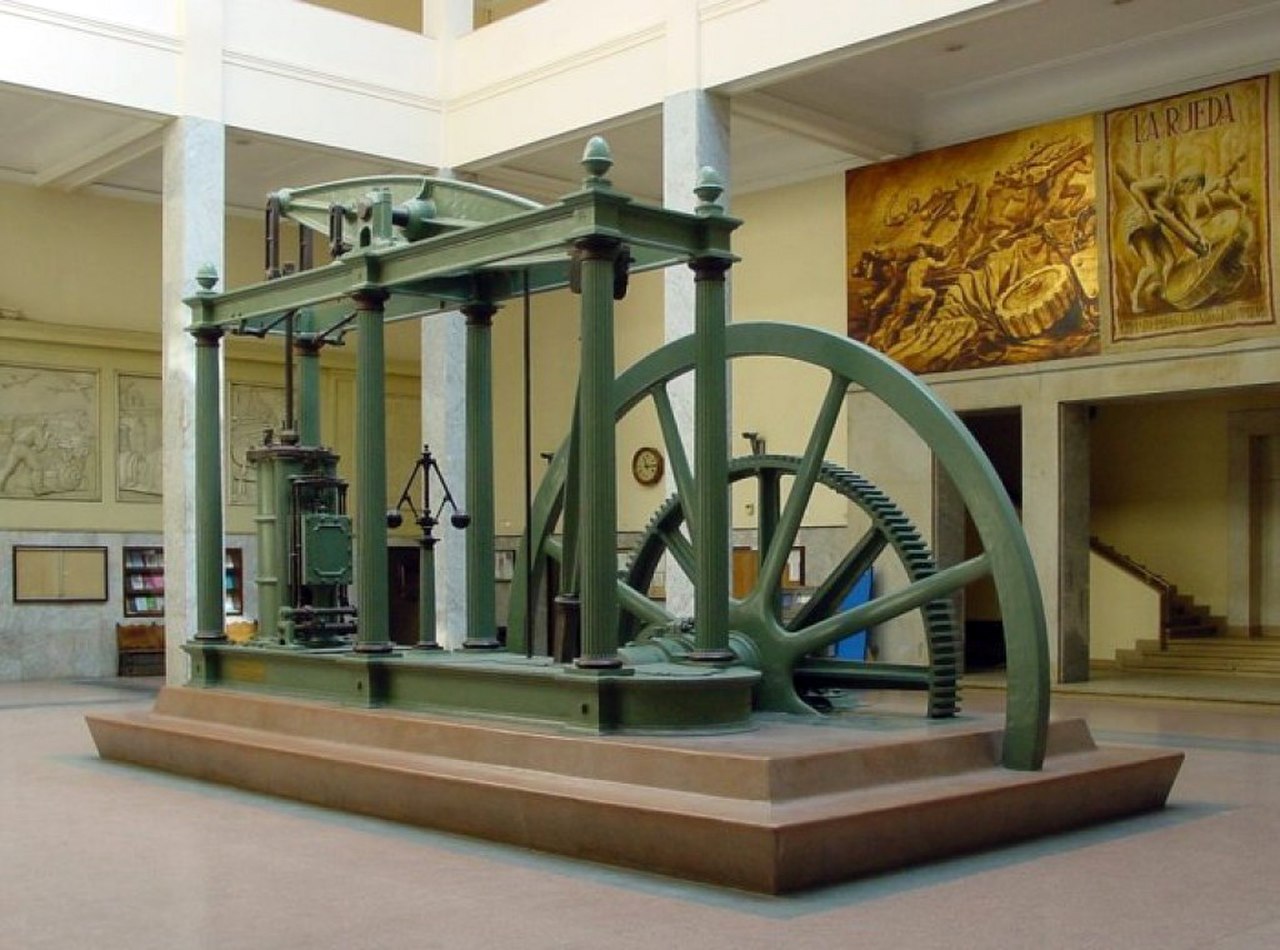
The history of [[engineering|engineering]] dates back to ancient times, with evidence of early engineering practices found in the construction of [[pyramids|pyramids]], [[bridges|bridges]], and other infrastructure. Over time, the field of [[engineering|engineering]] has evolved to incorporate new technologies and innovations, such as the development of [[steam_engine|steam engines]] and the introduction of [[computer_aided_design|computer-aided design]]. Today, [[engineering|engineering]] is a global profession, with engineers working on a wide range of projects, from designing and improving [[infrastructure|infrastructure]] to developing new [[technologies|technologies]]. The [[engineering_design_process|engineering design process]] is a critical component of modern engineering practice, and involves the application of [[mathematics|mathematics]] and [[natural_science|natural science]] to solve complex problems. For more information on the history of [[engineering|engineering]], see the [[history_of_engineering|history of engineering]].
🔍 The Engineering Design Process
The [[engineering_design_process|engineering design process]] is a systematic approach to solving problems and creating innovative solutions. It involves a series of steps, including [[problem_definition|problem definition]], [[research|research]], [[idea_generation|idea generation]], [[prototyping|prototyping]], and [[testing|testing]]. The [[engineering_design_process|engineering design process]] is a critical component of modern engineering practice, and is used in a wide range of fields, from [[aerospace_engineering|aerospace engineering]] to [[biomedical_engineering|biomedical engineering]]. By applying the principles of [[mathematics|mathematics]] and [[natural_science|natural science]], engineers can create innovative solutions to complex problems. For more information on the [[engineering_design_process|engineering design process]], see the [[engineering_design_process|engineering design process]].
👥 Traditional Disciplines of Engineering
The traditional disciplines of [[engineering|engineering]] include [[civil_engineering|civil engineering]], [[mechanical_engineering|mechanical engineering]], [[electrical_engineering|electrical engineering]], and [[chemical_engineering|chemical engineering]]. These disciplines have been the foundation of the field of [[engineering|engineering]] for centuries, and continue to play a critical role in modern engineering practice. [[Civil_engineering|Civil engineering]] involves the design and construction of [[infrastructure|infrastructure]], such as [[roads|roads]], [[bridges|bridges]], and [[buildings|buildings]]. [[Mechanical_engineering|Mechanical engineering]] involves the design and development of [[machinery|machinery]] and [[mechanical_systems|mechanical systems]]. [[Electrical_engineering|Electrical engineering]] involves the design and development of [[electrical_systems|electrical systems]], including [[electronics|electronics]] and [[power_generation|power generation]]. [[Chemical_engineering|Chemical engineering]] involves the design and development of [[chemical_processes|chemical processes]] and [[chemical_plants|chemical plants]]. For more information on these disciplines, see the [[disciplines_of_engineering|disciplines of engineering]].
🔬 Specialized Subfields of Engineering
In addition to the traditional disciplines of [[engineering|engineering]], there are a wide range of specialized [[subfields_of_engineering|subfields of engineering]]. These subfields include [[aerospace_engineering|aerospace engineering]], [[biomedical_engineering|biomedical engineering]], [[computer_engineering|computer engineering]], and [[environmental_engineering|environmental engineering]]. Each of these subfields has its own unique emphasis on the application of [[mathematics|mathematics]] and [[natural_science|natural science]], and requires a deep understanding of the underlying principles and concepts. For example, [[aerospace_engineering|aerospace engineering]] involves the design and development of [[aircraft|aircraft]], [[spacecraft|spacecraft]], and [[missiles|missiles]]. [[Biomedical_engineering|Biomedical engineering]] involves the application of [[engineering|engineering]] principles to medical devices and equipment. For more information on these subfields, see the [[subfields_of_engineering|subfields of engineering]].
🌈 Modern Engineering Practice
Modern [[engineering|engineering]] practice spans multiple fields of [[engineering|engineering]], including the design and improvement of [[infrastructure|infrastructure]], [[machinery|machinery]], [[vehicles|vehicles]], [[electronics|electronics]], [[materials|materials]], and [[energy_systems|energy systems]]. The application of [[mathematics|mathematics]] and [[natural_science|natural science]] is critical to modern engineering practice, and involves the use of advanced technologies, such as [[computer_aided_design|computer-aided design]] and [[simulation|simulation]]. For example, [[civil_engineering|civil engineering]] involves the design and construction of [[infrastructure|infrastructure]], such as [[roads|roads]], [[bridges|bridges]], and [[buildings|buildings]]. [[Mechanical_engineering|Mechanical engineering]] involves the design and development of [[machinery|machinery]] and [[mechanical_systems|mechanical systems]]. For more information on modern engineering practice, see the [[modern_engineering_practice|modern engineering practice]].
🚀 Applications of Engineering
The applications of [[engineering|engineering]] are diverse and widespread, and include the design and development of [[technologies|technologies]], [[products|products]], and [[systems|systems]]. For example, [[aerospace_engineering|aerospace engineering]] involves the design and development of [[aircraft|aircraft]], [[spacecraft|spacecraft]], and [[missiles|missiles]]. [[Biomedical_engineering|Biomedical engineering]] involves the application of [[engineering|engineering]] principles to medical devices and equipment. [[Computer_engineering|Computer engineering]] involves the design and development of [[computer_hardware|computer hardware]] and [[software|software]]. For more information on the applications of [[engineering|engineering]], see the [[applications_of_engineering|applications of engineering]].
💻 The Role of Technology in Engineering
The role of [[technology|technology]] in [[engineering|engineering]] is critical, and involves the application of advanced technologies, such as [[computer_aided_design|computer-aided design]] and [[simulation|simulation]]. The use of [[technology|technology]] in [[engineering|engineering]] has improved the efficiency and productivity of engineering practices, and has enabled the creation of innovative solutions to complex problems. For example, [[computer_aided_design|computer-aided design]] has revolutionized the field of [[engineering|engineering]], enabling engineers to design and simulate complex systems and products. For more information on the role of [[technology|technology]] in [[engineering|engineering]], see the [[role_of_technology_in_engineering|role of technology in engineering]].
📊 The Importance of Mathematics in Engineering
The importance of [[mathematics|mathematics]] in [[engineering|engineering]] cannot be overstated, and involves the application of mathematical principles and concepts to solve complex problems. The use of [[mathematics|mathematics]] in [[engineering|engineering]] enables engineers to model and simulate complex systems and products, and to optimize their performance and efficiency. For example, [[calculus|calculus]] is used in [[engineering|engineering]] to model and analyze complex systems, such as [[electrical_circuits|electrical circuits]] and [[mechanical_systems|mechanical systems]]. For more information on the importance of [[mathematics|mathematics]] in [[engineering|engineering]], see the [[importance_of_mathematics_in_engineering|importance of mathematics in engineering]].
🎯 The Future of Engineering
The future of [[engineering|engineering]] is exciting and dynamic, and involves the application of emerging technologies, such as [[artificial_intelligence|artificial intelligence]] and [[nanotechnology|nanotechnology]]. The use of these technologies in [[engineering|engineering]] will enable the creation of innovative solutions to complex problems, and will improve the efficiency and productivity of engineering practices. For example, [[artificial_intelligence|artificial intelligence]] is being used in [[engineering|engineering]] to optimize the design and operation of complex systems, such as [[energy_systems|energy systems]] and [[transportation_systems|transportation systems]]. For more information on the future of [[engineering|engineering]], see the [[future_of_engineering|future of engineering]].
📚 Glossary of Engineering Terms
The [[glossary_of_engineering|glossary of engineering]] is a comprehensive resource that defines and explains key terms and concepts in the field of [[engineering|engineering]]. The glossary includes terms related to the traditional disciplines of [[engineering|engineering]], such as [[civil_engineering|civil engineering]], [[mechanical_engineering|mechanical engineering]], [[electrical_engineering|electrical engineering]], and [[chemical_engineering|chemical engineering]]. It also includes terms related to specialized [[subfields_of_engineering|subfields of engineering]], such as [[aerospace_engineering|aerospace engineering]], [[biomedical_engineering|biomedical engineering]], and [[computer_engineering|computer engineering]]. For more information on the [[glossary_of_engineering|glossary of engineering]], see the [[glossary_of_engineering|glossary of engineering]].
👨💻 Notable Engineers and Their Contributions
There are many notable [[engineers|engineers]] who have made significant contributions to the field of [[engineering|engineering]]. For example, [[isambard_kingdom_brunei|Isambard Kingdom Brunel]] was a British [[civil_engineering|civil engineer]] who designed and built the [[great_western_railway|Great Western Railway]]. [[nikola_tesla|Nikola Tesla]] was a Serbian-American [[electrical_engineering|electrical engineer]] who developed the [[alternating_current|alternating current]] system. [[alan_turing|Alan Turing]] was a British [[computer_engineering|computer engineer]] who developed the [[theoretical_computer_science|theoretical computer science]] and [[artificial_intelligence|artificial intelligence]]. For more information on notable [[engineers|engineers]], see the [[notable_engineers|notable engineers]].
Key Facts
- Year
- 2023
- Origin
- Ancient Civilizations
- Category
- Science and Technology
- Type
- Discipline
Frequently Asked Questions
What is the definition of engineering?
Engineering is the practice of using natural science, mathematics, and the engineering design process to solve problems within technology, increase efficiency and productivity, and improve systems. The traditional disciplines of engineering are civil, mechanical, electrical, and chemical. For more information, see the [[engineering|engineering]] page.
What are the traditional disciplines of engineering?
The traditional disciplines of engineering are [[civil_engineering|civil engineering]], [[mechanical_engineering|mechanical engineering]], [[electrical_engineering|electrical engineering]], and [[chemical_engineering|chemical engineering]]. These disciplines have been the foundation of the field of engineering for centuries, and continue to play a critical role in modern engineering practice. For more information, see the [[disciplines_of_engineering|disciplines of engineering]] page.
What is the engineering design process?
The [[engineering_design_process|engineering design process]] is a systematic approach to solving problems and creating innovative solutions. It involves a series of steps, including [[problem_definition|problem definition]], [[research|research]], [[idea_generation|idea generation]], [[prototyping|prototyping]], and [[testing|testing]]. For more information, see the [[engineering_design_process|engineering design process]] page.
What are some specialized subfields of engineering?
Some specialized subfields of engineering include [[aerospace_engineering|aerospace engineering]], [[biomedical_engineering|biomedical engineering]], [[computer_engineering|computer engineering]], and [[environmental_engineering|environmental engineering]]. Each of these subfields has its own unique emphasis on the application of [[mathematics|mathematics]] and [[natural_science|natural science]], and requires a deep understanding of the underlying principles and concepts. For more information, see the [[subfields_of_engineering|subfields of engineering]] page.
What is the role of technology in engineering?
The role of [[technology|technology]] in [[engineering|engineering]] is critical, and involves the application of advanced technologies, such as [[computer_aided_design|computer-aided design]] and [[simulation|simulation]]. The use of [[technology|technology]] in [[engineering|engineering]] has improved the efficiency and productivity of engineering practices, and has enabled the creation of innovative solutions to complex problems. For more information, see the [[role_of_technology_in_engineering|role of technology in engineering]] page.