Port of Alexandria | Vibepedia
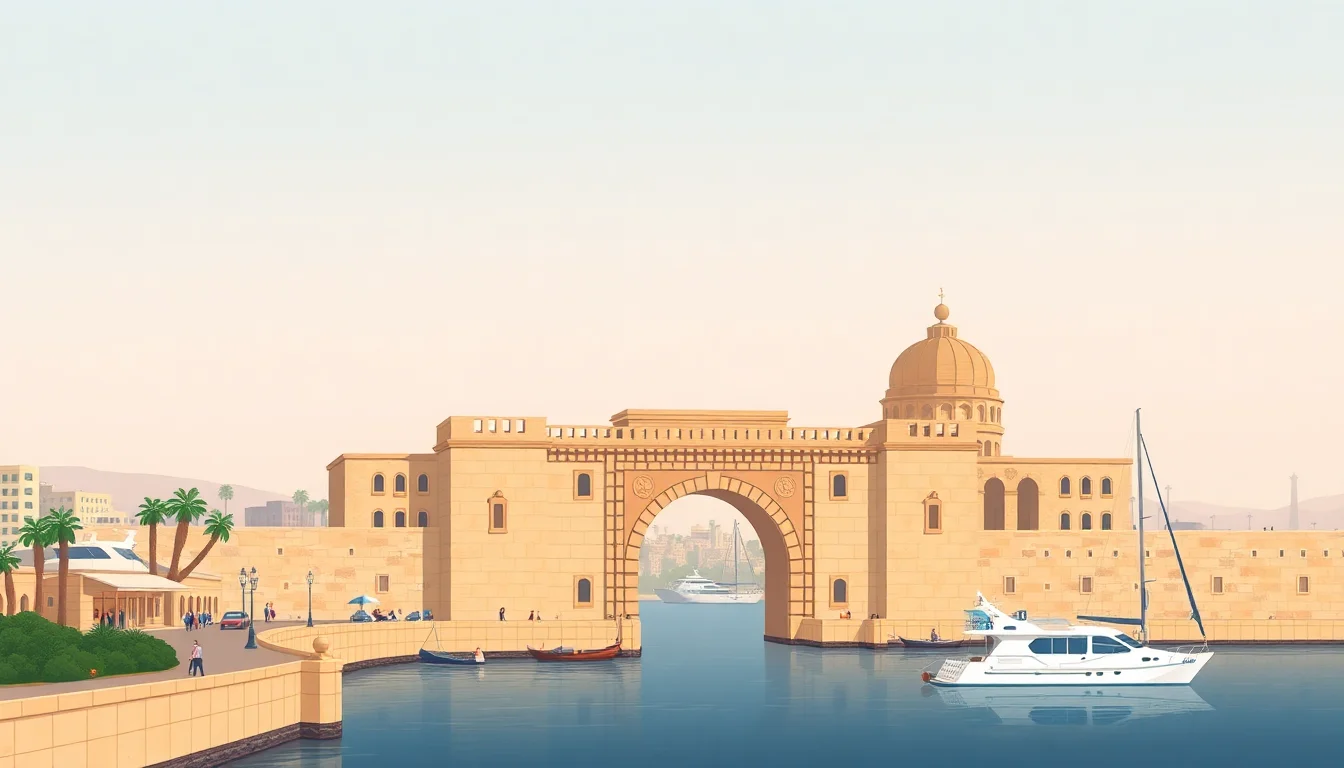
The Port of Alexandria, a name echoing through millennia, was once the undisputed nexus of the ancient Mediterranean world. Founded by Alexander the Great in…
Contents
- ⚓️ Overview: Alexandria's Ancient Gateway
- 📍 Location & Access: Navigating the Modern Port
- 🚢 Key Facilities & Services: What to Expect
- 💰 Pricing & Plans: Understanding Port Fees
- ⭐ What People Say: Navigating User Feedback
- ⚖️ Historical Significance: A Nexus of Civilizations
- 🏗️ Modernization & Future Prospects: The Next Chapter
- 🗺️ Getting Around: Navigating the Port Area
- Frequently Asked Questions
- Related Topics
Overview
The Port of Alexandria, a name echoing through millennia, was once the undisputed nexus of the ancient Mediterranean world. Founded by Alexander the Great in 331 BCE, its strategic location and the engineering marvel of the Pharos lighthouse, one of the Seven Wonders of the Ancient World, cemented its status as a global trade powerhouse. Today, while its ancient glory is largely submerged, Alexandria remains Egypt's primary port, a vital artery for national commerce and a testament to enduring maritime significance. Its history is a complex narrative of Ptolemaic ambition, Roman dominion, Islamic expansion, and modern industrial development, each era leaving its indelible mark on the city's waterfront.
⚓️ Overview: Alexandria's Ancient Gateway
The Port of Alexandria isn't just a modern shipping hub; it's a living testament to millennia of maritime history. For centuries, it served as the primary gateway to Egypt, a vital nexus for trade and culture connecting the Mediterranean world with the East. Today, it continues this legacy, albeit with vastly different technologies and scales. Whether you're a maritime historian, a logistics professional, or simply curious about one of the world's oldest continuously operating ports, Alexandria offers a compelling blend of ancient echoes and contemporary operations. It's a place where the ghosts of Ptolemaic galleys mingle with the hum of container cranes.
🚢 Key Facilities & Services: What to Expect
The modern Port of Alexandria boasts a comprehensive suite of facilities designed for efficient cargo handling and vessel support. This includes extensive container terminals, bulk cargo handling equipment, and specialized facilities for liquid and general cargo. Services available range from bunkering and ship repair to customs clearance and warehousing. The port authority actively invests in upgrading infrastructure to meet international standards, ensuring it can handle a diverse range of vessels, from massive container ships to smaller fishing fleets. Its capacity for handling over 15 million tons of cargo annually underscores its logistical importance.
💰 Pricing & Plans: Understanding Port Fees
Understanding the Port of Alexandria's fee structure is crucial for shipping companies and vessel operators. Tariffs are typically based on vessel size, cargo type, and duration of stay. These fees encompass port dues, pilotage, towage, and berthage charges. While specific rates can fluctuate based on international maritime regulations and local economic factors, detailed tariff schedules are available from the Alexandria Port Authority. For casual visitors or historical enthusiasts, access to certain public areas and historical sites near the port may incur minimal or no charges, but specific tours or access to operational zones will have associated costs.
⚖️ Historical Significance: A Nexus of Civilizations
The Port of Alexandria's historical weight is immense, dating back to its founding by Alexander the Great in 331 BCE. It quickly became the intellectual and commercial heart of the Hellenistic world, home to the legendary Library of Alexandria and the Pharos of Alexandria, one of the Seven Wonders of the Ancient World. For centuries, it was the primary port of entry for goods and ideas flowing between Europe, Africa, and Asia, playing a pivotal role in the Roman, Byzantine, and Islamic empires. Its strategic importance shaped trade routes and influenced the rise and fall of empires, making it a cornerstone of Mediterranean history.
🏗️ Modernization & Future Prospects: The Next Chapter
The Port of Alexandria is currently undergoing significant modernization efforts aimed at enhancing its capacity and efficiency. These initiatives include dredging channels to accommodate larger vessels, expanding container terminals, and improving intermodal connectivity with rail and road networks. The goal is to solidify its position as a leading regional logistics hub and to attract greater international trade volumes. Future prospects hinge on the successful implementation of these upgrades and its ability to adapt to evolving global shipping technologies and environmental regulations. The competition from other Mediterranean ports means continuous investment is non-negotiable.
Key Facts
- Year
- 331 BCE (Founding)
- Origin
- Ancient Egypt
- Category
- Maritime History & Logistics
- Type
- Geographic Location / Historical Site
Frequently Asked Questions
Can I visit the historical sites within the active port area?
Access to historical remnants within the operational zones of the Port of Alexandria can be restricted due to ongoing maritime activities and security protocols. While some historical areas are visible from public vantage points, direct access often requires special permits or organized tours arranged through the Alexandria Port Authority. It's advisable to check in advance with the authority or a reputable local tour operator for the most current access information and available options.
What are the main types of cargo handled at the Port of Alexandria?
The Port of Alexandria handles a diverse range of cargo, reflecting its historical and contemporary importance. Key categories include bulk commodities such as grains, coal, and fertilizers, as well as general cargo and containerized goods. It also has facilities for handling liquid cargo. This broad capability allows the port to serve various sectors of the Egyptian and international economies, making it a versatile logistics hub.
How does the Port of Alexandria compare to other major Egyptian ports?
The Port of Alexandria is one of Egypt's primary maritime gateways, alongside ports like Port Said and Suez Canal Container Terminal. While Port Said benefits from its strategic location on the Suez Canal, Alexandria's historical significance and its dual harbor system offer distinct advantages for certain types of trade and historical tourism. Ongoing modernization aims to keep Alexandria competitive in the face of regional and global shipping dynamics.
What is the historical significance of the Port of Alexandria?
Founded by Alexander the Great, the Port of Alexandria was a cornerstone of the ancient world, serving as a vital hub for trade, culture, and knowledge. It was home to the Pharos of Alexandria, one of the Seven Wonders, and a key center for the Library of Alexandria. Its influence extended across the Mediterranean and beyond for millennia, shaping trade routes and empires.
Are there opportunities for maritime tourism or historical exploration at the port?
Yes, the Port of Alexandria offers significant opportunities for maritime tourism and historical exploration. Visitors can explore areas offering views of the modern port operations juxtaposed with ancient remnants. Nearby attractions like the Citadel of Qaitbay, built on the site of the ancient Pharos, provide a tangible link to the port's storied past. Guided tours often incorporate elements of both historical discovery and an understanding of contemporary maritime logistics.
What are the main challenges facing the Port of Alexandria today?
The primary challenges for the Port of Alexandria include the need for continuous infrastructure upgrades to keep pace with global shipping demands, managing the complexities of operating within a historically significant urban environment, and competing with other regional ports. Environmental considerations and the integration of advanced digital logistics technologies are also key areas of focus for future development.