Marine Science | Vibepedia
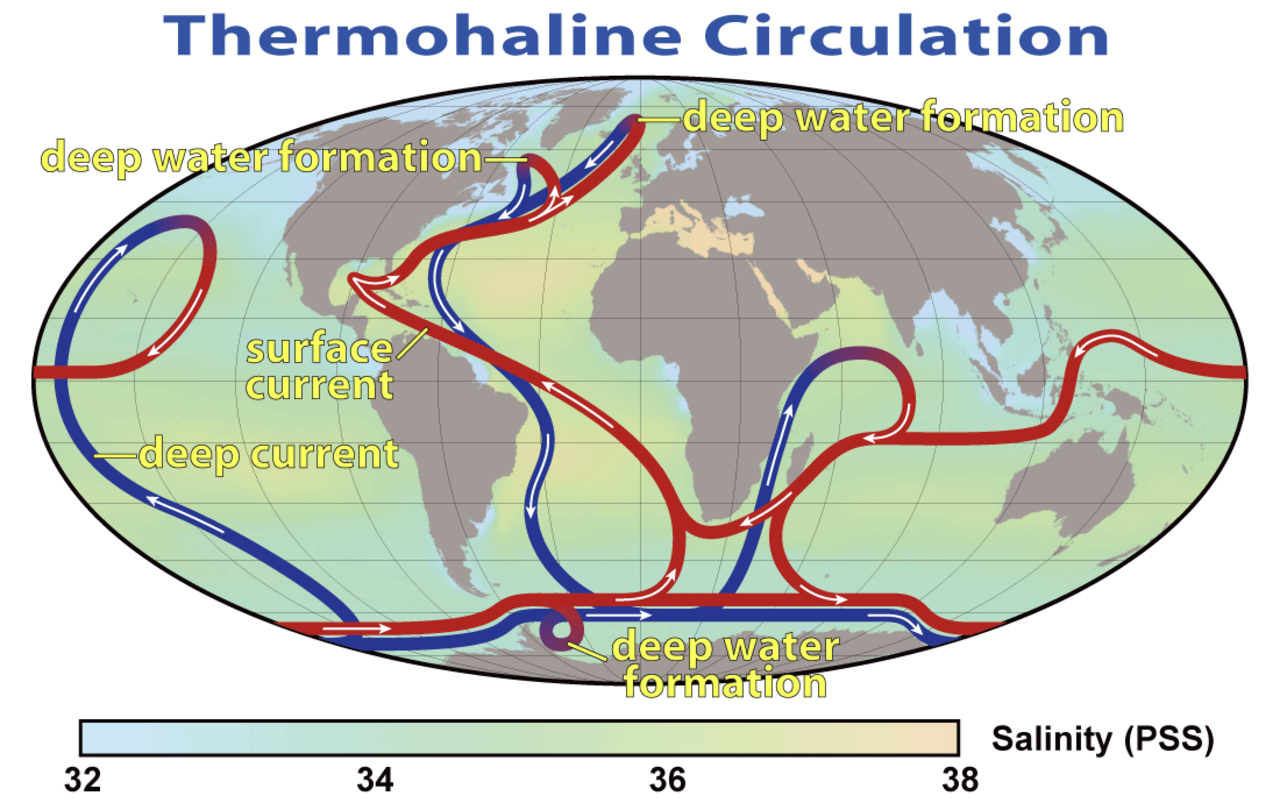
Marine science encompasses the study of ocean ecosystems, marine organisms, and the physical and chemical properties of seawater. It integrates disciplines…
Contents
- 🌊 What is Marine Science?
- 🗺️ Where to Study Marine Science
- 💰 Costs & Funding Opportunities
- 🎓 Academic Pathways
- 🔬 Key Disciplines within Marine Science
- 🌍 Global Impact & Challenges
- 🌟 Notable Marine Scientists
- 💡 Future Directions & Innovations
- 📚 Essential Resources & Further Reading
- 🤝 Getting Involved in Marine Science
- Frequently Asked Questions
- Related Topics
Overview
Marine science encompasses the study of ocean ecosystems, marine organisms, and the physical and chemical properties of seawater. It integrates disciplines such as biology, chemistry, geology, and physics to understand the complexities of marine environments. Key issues include climate change impacts, overfishing, and pollution, which threaten marine biodiversity and human livelihoods. Notable organizations like the Oceanographic Institute and researchers such as Sylvia Earle and David Attenborough have significantly contributed to this field. As we face unprecedented challenges, the future of marine science will hinge on innovative research and global collaboration to protect our oceans.
🌊 What is Marine Science?
Marine science, often used interchangeably with ocean science, is the comprehensive study of the world's oceans. It's not just about pretty coral reefs; it's a rigorous, interdisciplinary field that probes the ocean's physical properties, chemical composition, biological inhabitants, and geological formations. Think of it as understanding Earth's largest, most dynamic ecosystem, which covers over 70% of our planet's surface and plays a critical role in regulating climate and supporting life. Whether you're fascinated by the deep-sea trenches or the coastal ecosystems, marine science offers a vast canvas for exploration and discovery.
🗺️ Where to Study Marine Science
Pursuing marine science typically involves enrolling in programs at universities with coastal access or specialized marine research facilities. Major hubs for marine research include institutions in California (like Scripps), Florida (e.g., Rosenstiel School), Woods Hole, Massachusetts (home to WHOI), and international centers such as the NOC in the UK. Many programs offer field stations for hands-on experience, allowing students to conduct research directly in the marine environment they are studying.
💰 Costs & Funding Opportunities
The cost of marine science education varies significantly by institution, ranging from public university tuition to the higher fees at private research centers. Bachelor's degrees can cost anywhere from $10,000 to $50,000 annually, with graduate programs often incurring similar or higher expenses. However, numerous funding opportunities exist, including scholarships, research grants, and fellowships. Many graduate students receive stipends and tuition waivers through their research assistantships or teaching assistantships.
🎓 Academic Pathways
Academic pathways in marine science typically begin with a Bachelor of Science (B.S.) degree in Marine Biology, Oceanography, or a related field like Environmental Science. From there, aspiring researchers often pursue a Master of Science (M.S.) or a Doctor of Philosophy (Ph.D.) to specialize and conduct independent research. Some entry-level positions in marine science, such as marine technicians or aquarists, may be accessible with a bachelor's degree, but advanced research roles almost always require postgraduate qualifications.
🔬 Key Disciplines within Marine Science
Marine science is broadly categorized into several key disciplines: physical oceanography (studying waves, currents, and tides), chemical oceanography (analyzing seawater composition and biogeochemical cycles), biological oceanography (examining marine life and ecosystems), and marine geology (investigating seafloor features and processes). These fields often overlap, with many researchers adopting an interdisciplinary approach to tackle complex oceanographic problems.
🌍 Global Impact & Challenges
The global impact of marine science is profound, informing policies on climate change, fisheries management, and marine conservation. Challenges are immense, including the impacts of plastic pollution, ocean acidification, overfishing, and habitat destruction. Understanding these issues is crucial for safeguarding marine biodiversity and the vital services the ocean provides to humanity, such as oxygen production and food security.
🌟 Notable Marine Scientists
Several luminaries have shaped our understanding of the oceans. Sylvia Earle, a renowned marine biologist and explorer, has dedicated her life to ocean conservation and advocacy, earning the nickname 'Her Deepness.' Roger Revelle, often called the 'father of oceanography,' was instrumental in establishing oceanographic research institutions and highlighting the ocean's role in climate. Marie Tharp, a pioneering geologist, created the first comprehensive map of the Atlantic seafloor, revealing the mid-ocean ridge system and revolutionizing plate tectonics theory.
💡 Future Directions & Innovations
The future of marine science is increasingly focused on technological innovation and addressing urgent environmental crises. Developments in AUVs and remote sensing are expanding our ability to explore the deep sea and monitor ocean health. Emerging areas include the study of marine genomics, the development of aquaculture, and understanding the impacts of deep-sea mining on fragile ecosystems. The integration of artificial intelligence and big data analytics is also poised to accelerate discoveries.
📚 Essential Resources & Further Reading
For those eager to learn more, essential resources include academic journals like Nature Climate Change and Science, as well as popular science publications such as National Geographic and Oceanographic Magazine. Books like Rachel Carson's The Sea Around Us offer foundational insights. Online platforms like the NOAA website provide vast datasets and educational materials. Engaging with documentaries about marine life and conservation can also be highly informative.
🤝 Getting Involved in Marine Science
Getting involved in marine science can take many forms. Consider volunteering with local coastal cleanup groups or marine mammal rescue organizations. Many aquariums and research institutions offer internships or citizen science programs where you can contribute to data collection. For students, reaching out to university departments for information on undergraduate research opportunities or attending public lectures by marine scientists are excellent starting points. Networking with professionals in the field can also open doors to future career paths.
Key Facts
- Year
- 2023
- Origin
- Ancient Greece, with roots in early navigation and exploration.
- Category
- Science & Environment
- Type
- Field of Study
Frequently Asked Questions
What's the difference between marine science and marine biology?
Marine science is the overarching term for the study of the ocean, encompassing its physics, chemistry, geology, and biology. Marine biology is a sub-discipline specifically focused on the study of marine organisms and their interactions with the marine environment. You can be a marine scientist specializing in physical oceanography without studying marine life, but a marine biologist is inherently a type of marine scientist.
Do I need to be a strong swimmer to study marine science?
While swimming proficiency can be beneficial for certain fieldwork, it's not a strict requirement for most marine science programs. Many research activities are conducted from boats, research vessels, or via remote sensing technologies. If fieldwork involves diving or extensive in-water work, specific certifications will be provided or required, but basic swimming ability is usually sufficient for general entry.
What kind of jobs can I get with a marine science degree?
A marine science degree opens doors to diverse careers. You could work as a marine biologist, oceanographer, environmental consultant, fisheries manager, marine educator, conservation officer, or in roles related to policy, research, or data analysis. Many graduates also pursue careers in related fields like environmental law or science communication.
Is marine science a growing field?
Yes, marine science is a growing field, driven by increasing awareness of the ocean's critical role in climate regulation, food security, and biodiversity. The urgent need to address issues like climate change, pollution, and overfishing necessitates more research and expertise, creating demand for skilled marine scientists.
What are the biggest challenges facing marine scientists today?
Marine scientists face significant challenges, including the impacts of climate change (warming, acidification, sea-level rise), widespread pollution (especially plastics), unsustainable fishing practices, and habitat destruction. Understanding and mitigating these threats requires extensive research, international cooperation, and effective policy implementation.
Can I study marine science without going to a coastal university?
While coastal universities offer direct access to marine environments, it is possible to study marine science at inland institutions that have strong biology or environmental science departments with faculty specializing in aquatic or marine topics. These programs may offer opportunities for summer research at coastal field stations or collaborations with marine research centers.