Physical Oceanography | Vibepedia
Physical oceanography is the scientific discipline dedicated to understanding the physical conditions and processes within the ocean. It delves into the…
Contents
Overview
Physical oceanography is the scientific discipline dedicated to understanding the physical conditions and processes within the ocean. It delves into the mechanics of ocean waters, including their temperature, salinity, density, and crucially, their movement through currents, waves, and tides. Rooted in the principles of thermodynamics and fluid mechanics, much like atmospheric physics, this field seeks to describe and predict oceanic phenomena. It's broadly divided into descriptive oceanography, which focuses on observing and modeling ocean properties, and dynamical oceanography, which investigates the theoretical underpinnings and governing processes of fluid motion. The insights gleaned are vital for comprehending global climate patterns, marine ecosystems, and navigating the complexities of our blue planet.
🎵 Origins & History
The formal study of the ocean's physical characteristics traces its roots back to ancient mariners who observed currents and tides. The development of sophisticated instruments and computational models in the latter half of the 20th century, spurred by organizations like the National Science Foundation and the NOAA, transformed the field from descriptive observation to predictive science.
⚙️ How It Works
Physical oceanography operates by applying fundamental laws of physics, particularly fluid dynamics and thermodynamics, to the oceanic environment. It examines phenomena such as waves, tides, and currents, driven by forces like wind, solar heating, and Earth's rotation (the Coriolis effect). Key properties like temperature and salinity determine water density, which in turn drives deep ocean circulation through processes like thermohaline circulation. Researchers utilize a suite of tools, including Argo floats that drift with currents measuring temperature and salinity, ADCPs to measure current speed and direction, and satellite altimetry to map sea surface height and infer geostrophic currents. These observations are then integrated into complex numerical models to simulate and predict ocean behavior.
📊 Key Facts & Numbers
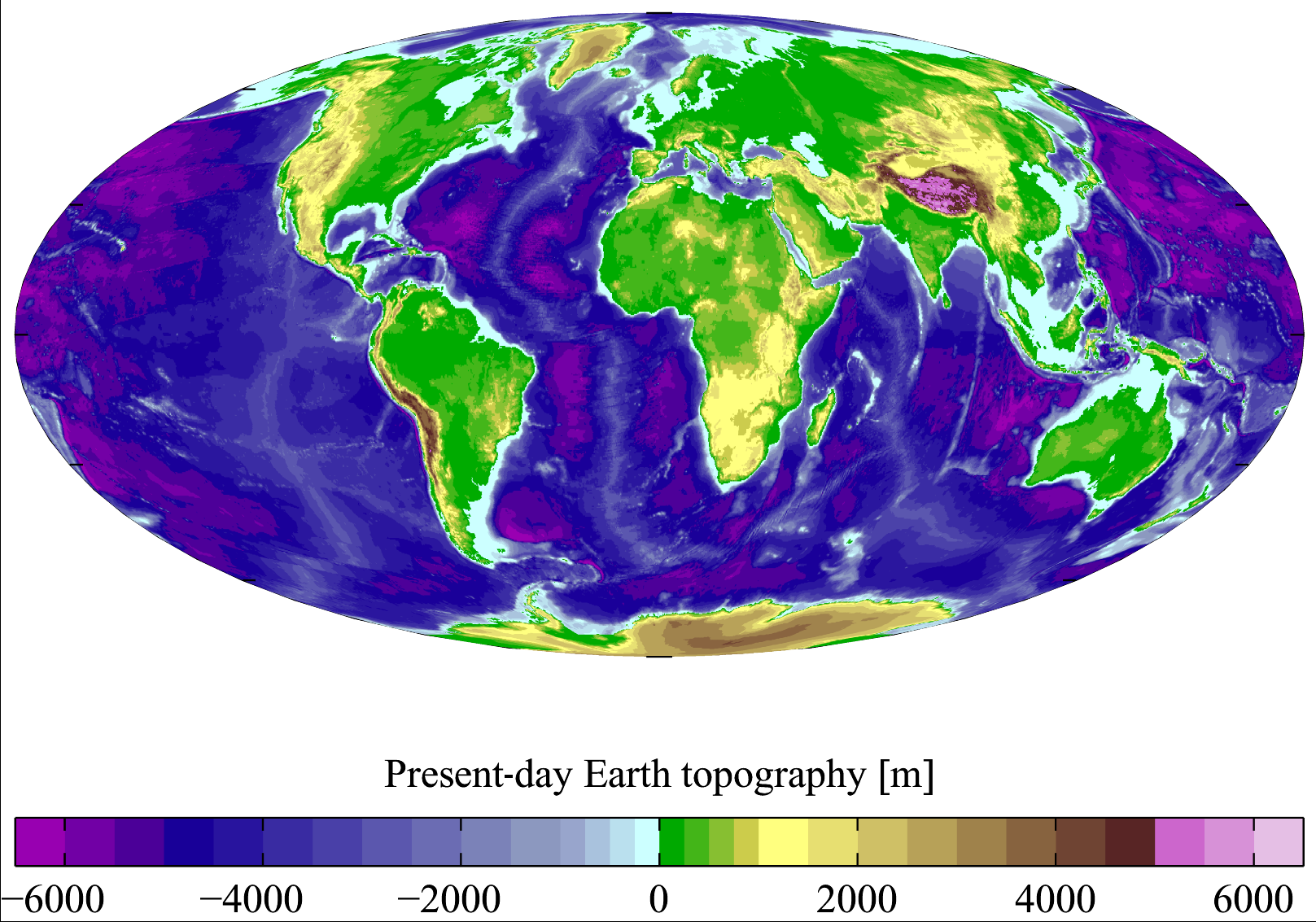
The global ocean covers over 70% of Earth's surface, holding approximately 97% of its water. Ocean currents transport an estimated 10^15 watts of heat globally, playing a critical role in regulating Earth's climate. The average ocean depth is around 3,688 meters (12,100 feet), with the deepest point, the Challenger Deep in the Mariana Trench, reaching nearly 11,000 meters. Sea level has risen by about 20 cm (8 inches) since 1900, a trend accelerating due to thermal expansion and melting ice sheets. The energy contained in ocean waves is immense, with large storm waves capable of exerting forces exceeding 50,000 pounds per square foot. The ocean absorbs about 30% of the carbon dioxide emitted by human activities, buffering atmospheric warming but leading to ocean acidification.
👥 Key People & Organizations
Organizations such as the Woods Hole Oceanographic Institution (WHOI) and the Scripps Institution of Oceanography are global leaders in oceanographic research, housing state-of-the-art facilities and fostering generations of scientists. International collaborations, like the World Ocean Database project managed by NOAA's National Centers for Environmental Information, are crucial for pooling global observational data. Prominent research vessels, such as the R/V Atlantis operated by WHOI, are essential platforms for data collection. Leading journals like the Journal of Physical Oceanography and Ocean Modelling disseminate cutting-edge research.
🌍 Cultural Impact & Influence
Physical oceanography is intrinsically linked to climate science, providing the observational and theoretical basis for understanding phenomena like El Niño-Southern Oscillation (ENSO) and the Atlantic Meridional Overturning Circulation (AMOC). Its findings directly inform climate models used by the IPCC to project future warming scenarios. The study of ocean waves and coastal processes influences coastal engineering and disaster preparedness, impacting communities worldwide. Furthermore, understanding ocean currents is vital for marine biology, fisheries management, and predicting the dispersal of pollutants, as demonstrated by studies on the Great Pacific Garbage Patch. The visual representation of oceanographic data, often through stunning visualizations of currents and temperature gradients, has also captured public imagination, appearing in documentaries and educational media.
⚡ Current State & Latest Developments
The field is currently grappling with the accelerating impacts of climate change, focusing on refining predictions of sea-level rise, ocean heat content increase, and changes in ocean circulation patterns. The deployment of advanced autonomous observing systems, including ocean gliders and sophisticated UUVs, is expanding observational capabilities. There's a growing emphasis on integrating physical oceanography with other disciplines, such as marine biogeochemistry and ecology, to understand coupled ocean systems. The development of higher-resolution global circulation models is enabling more accurate simulations of mesoscale eddies and coastal dynamics. Initiatives like the Ocean Observatories Initiative (OOI) are providing unprecedented, long-term datasets for researchers worldwide.
🤔 Controversies & Debates
A significant debate revolves around the predictability of ocean currents and their long-term stability, particularly concerning the potential weakening or collapse of major systems like the AMOC, as highlighted by studies in journals like Nature Geoscience. The accuracy and resolution of current climate models in capturing complex oceanographic processes, especially at regional scales, remain a point of contention. Furthermore, the ethical implications of ocean data collection and its potential use in resource exploitation or military applications are increasingly discussed within the scientific community. The balance between open data sharing and proprietary interests in oceanographic data also presents ongoing challenges.
🔮 Future Outlook & Predictions
The future of physical oceanography is inextricably linked to addressing global climate change. Expect enhanced focus on predicting the impacts of warming oceans, including more intense storms, altered marine ecosystems, and significant sea-level rise. Advances in AI and machine learning are poised to revolutionize data analysis and model development, potentially leading to breakthroughs in forecasting oceanographic events with greater accuracy. The expansion of autonomous observing networks will provide near real-time, high-resolution data, enabling more agile responses to oceanic changes. There's also a growing interest in the potential of marine renewable energy sources, such as tidal and wave power, which will require deeper physical oceanographic understanding for efficient and sustainable deployment.
💡 Practical Applications
Physical oceanography has direct applications in numerous sectors. Coastal engineering relies on understanding wave dynamics and currents for designing resilient infrastructure, such as seawalls and ports. The shipping industry uses knowledge of ocean currents to optimize routes for fuel efficiency, a practice known as great-circle navigation. Fisheries management depends on understanding how currents transport nutrients and larvae, influencing fish stock distribution. Furthermore, the field is critical for predicting the movement and impact of marine pollution, from oil spills to plastic debris. The burgeoning offshore wind farm industry requires detailed understanding of wave and current regimes for turbine placement and operational efficiency.
Key Facts
- Category
- science
- Type
- topic