Louvre Pyramid | Vibepedia
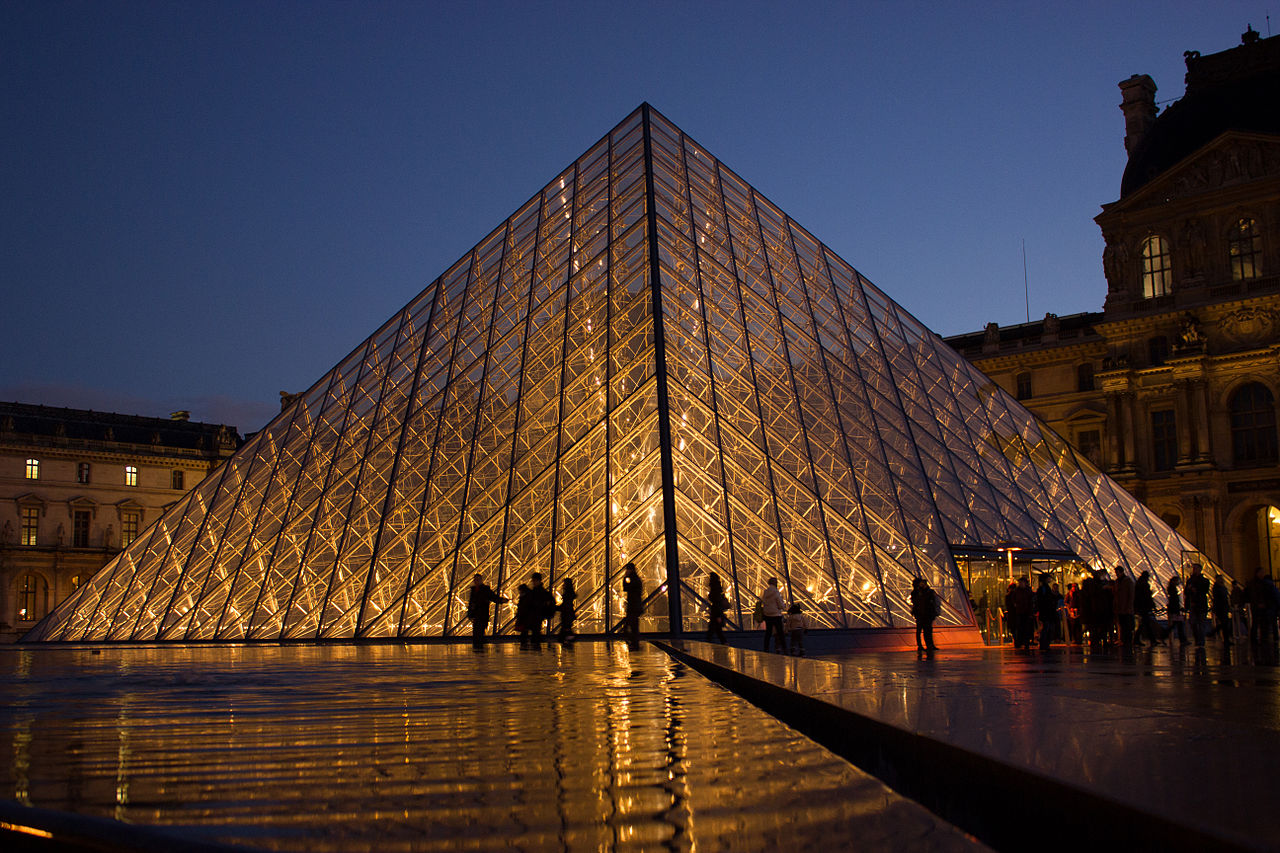
The Louvre Pyramid, a striking glass and metal structure, serves as the main entrance to the Louvre Museum in Paris. Designed by architect I.M. Pei, its…
Contents
Overview
The Louvre Pyramid is far more than just a striking architectural feature; it's the primary gateway to one of the world's most revered art institutions, the Louvre Museum in Paris. Designed by the visionary architect I. M. Pei, this glass and metal structure serves a dual purpose: it floods the subterranean lobby with natural light, creating an inviting atmosphere, and simultaneously offers visitors a unique perspective, framing views of the historic Louvre Palace above and through access galleries to the museum's vast collections. Its presence fundamentally reshaped how millions interact with the museum annually, transforming a once-imposing facade into an accessible, modern entry point.
📐 Architectural Genesis & Design
The genesis of the Louvre Pyramid lies in a desire to modernize and expand the Louvre's visitor capacity and flow. I. M. Pei's design, a bold departure from the palace's classical architecture, features a precisely engineered glass pyramid surrounded by three smaller, subsidiary pyramids. This geometric composition was meticulously planned to harmonize with, rather than dominate, the existing historical context. The choice of glass and metal was deliberate, aiming for transparency and a contemporary aesthetic that would stand the test of time, a stark contrast to the stone and masonry of the surrounding palace.
✨ The Grand Louvre Project Context
The pyramid's construction was a pivotal component of the ambitious Grand Louvre Project, initiated by French President François Mitterrand in the 1980s. This monumental undertaking aimed to renovate and expand the Louvre, moving the Ministry of Finance from its occupied wing and creating a unified museum space. The pyramid, completed in 1989, was the most visible and controversial element, symbolizing a new era for the museum and a significant investment in its future accessibility and presentation. The project fundamentally redefined the museum's public face and operational efficiency.
💡 Engineering & Construction Marvels
The engineering behind the Louvre Pyramid was as innovative as its design. Constructed from 602 rhombic and 673 triangular glass segments, the structure required meticulous calculation to ensure stability and transparency. The metal framework, composed of steel, was designed to be as unobtrusive as possible, allowing for maximum light penetration. The construction process involved significant advancements in glass manufacturing and structural engineering, overcoming challenges related to the sheer scale and the delicate balance between modern materials and a historic setting. The pyramid stands as a testament to 1980s architectural and engineering prowess.
🖼️ Cultural Impact & Symbolism
Since its completion, the Louvre Pyramid has transcended its functional role to become an iconic symbol of both the Louvre Museum and Paris itself. It represents a successful fusion of historical context and modern vision, a landmark that has been embraced by millions worldwide. Its image is instantly recognizable, appearing in countless photographs, films, and artworks, solidifying its status as a global cultural touchstone. The pyramid's enduring popularity speaks to its ability to evoke wonder and inspire appreciation for both art and architecture.
🤔 Debates & Controversies
The introduction of the Louvre Pyramid was met with considerable resistance upon its unveiling. Critics, steeped in traditional French aesthetics, decried it as an unwelcome modernist intrusion on the classical grandeur of the Louvre Palace. Debates raged about its aesthetic compatibility and its very presence in such a historically significant courtyard. However, time and public embrace have largely settled these controversies, with the pyramid now widely accepted as an integral part of the Louvre's identity, though the tension between historical preservation and modern intervention remains a recurring theme in urban development.
🌟 Visitor Experience & Tips
Visiting the Louvre Pyramid is an experience in itself. Arrive early, especially during peak season, to minimize wait times for entry. Consider purchasing Louvre Museum tickets online in advance to bypass ticket queues. The pyramid's underground lobby offers amenities like restrooms, cafes, and shops. Take a moment to appreciate the interplay of light and structure from within the pyramid itself, and remember that the pyramid is just the beginning of your journey into the vast collections of the Louvre Museum.
Key Facts
- Year
- 1989
- Origin
- Paris, France
- Category
- Architecture & Landmarks
- Type
- Landmark
Frequently Asked Questions
What is the primary function of the Louvre Pyramid?
The Louvre Pyramid serves as the main entrance to the Louvre Museum, providing access to the underground Hall Napoléon. It also functions as a skylight, illuminating the subterranean visitor hall with natural light and offering unique visual connections to the historic palace above.
Who designed the Louvre Pyramid?
The Louvre Pyramid was designed by the renowned Chinese-American architect I. M. Pei. His modernist vision was chosen to create a contemporary entrance that would complement, rather than clash with, the classical architecture of the Louvre Palace.
When was the Louvre Pyramid completed?
The Louvre Pyramid was completed in 1989. Its construction was a significant part of the larger Grand Louvre Project, aimed at modernizing and expanding the museum's facilities and visitor experience.
Is the Louvre Pyramid made entirely of glass?
No, the Louvre Pyramid is constructed from a framework of metal (primarily steel) and panels of glass. It features 602 rhombic and 673 triangular glass segments, designed for maximum transparency and structural integrity.
Was the Louvre Pyramid always popular?
Initially, the Louvre Pyramid faced significant criticism and controversy from those who felt its modern design was inappropriate for the historic Louvre Palace. However, it has since become a beloved landmark and an internationally recognized symbol of the museum and Paris.
How do I access the museum through the pyramid?
Visitors enter the museum through the main Louvre Pyramid, which leads to the Hall Napoléon. From this central underground area, you can access ticketing, information, and the museum's three main wings: Denon, Sully, and Richelieu.