Le Viandier | Vibepedia
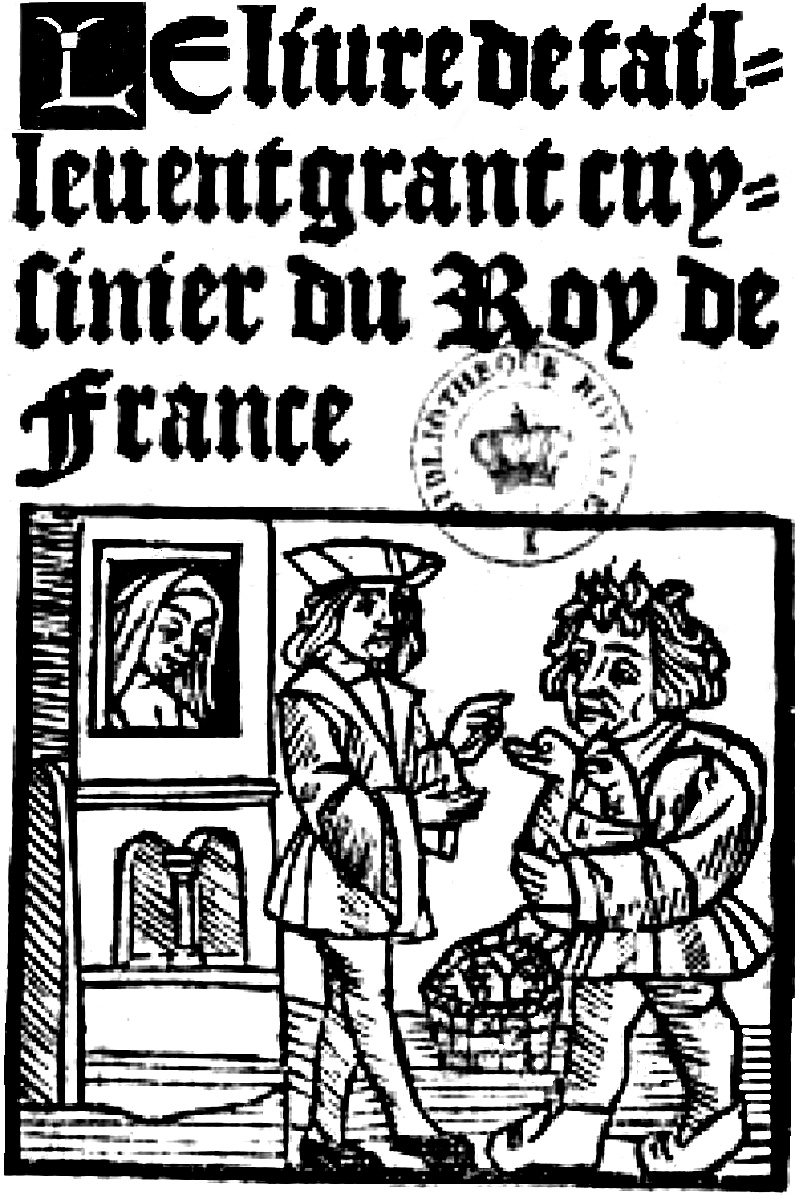
Le Viandier, often attributed to Guillaume Tirel, known as Taillevent, stands as one of the most significant culinary texts of the Middle Ages. While the…
Contents
- 🎵 Origins & History
- ⚙️ How It Works
- 📊 Key Facts & Numbers
- 👥 Key People & Organizations
- 🌍 Cultural Impact & Influence
- ⚡ Current State & Latest Developments
- 🤔 Controversies & Debates
- 🔮 Future Outlook & Predictions
- 💡 Practical Applications
- 📚 Related Topics & Deeper Reading
- Frequently Asked Questions
- References
- Related Topics
Overview
The genesis of Le Viandier is shrouded in the mists of medieval authorship, with the earliest extant manuscript appearing around 1300. This date is crucial because it predates the birth of Guillaume Tirel, the chef to whom the work is most commonly attributed and who later became known as Taillevent. This temporal discrepancy highlights a common practice in medieval manuscript culture: the appropriation and augmentation of existing texts. It's widely accepted that the original author remains unknown, and the name 'Taillevent' was likely appended to a popular existing collection to lend it prestige. This phenomenon of 'authorship by accretion' meant that recipes were continuously added, modified, and re-copied, creating a living document that evolved over time. Early versions were not just simple recipe lists but comprehensive guides to the culinary arts of the era, reflecting the sophisticated palates and elaborate dining rituals of the French aristocracy. The text's survival through numerous manuscript copies, including those found in the Bibliothèque Nationale de France, underscores its immense importance and widespread dissemination.
⚙️ How It Works
Le Viandier functions as a detailed manual for the medieval kitchen, offering a structured approach to food preparation that was revolutionary for its time. The recipes are typically organized by ingredient or type of dish, ranging from simple preparations of meats and fish to complex sauces and elaborate 'entremets'—the elaborate, often theatrical, dishes served between courses at banquets. It provides specific instructions on butchery, seasoning, and cooking methods, often calling for ingredients that were expensive and exotic, such as spices like saffron, ginger, and cinnamon, which were status symbols in medieval Europe. The text also details the use of thickeners like breadcrumbs and egg yolks, and the importance of presentation, a hallmark of aristocratic dining. Techniques described, such as roasting on a spit or braising, formed the bedrock of French culinary practices for centuries. The inclusion of instructions for preserving food, such as salting and pickling, further demonstrates its practical utility beyond mere feasting.
📊 Key Facts & Numbers
The earliest known manuscript of Le Viandier dates to approximately 1300, making it one of the oldest surviving European cookbooks. By the 15th century, at least 15 distinct manuscript versions had been cataloged, with over 30 known copies existing today. The first printed edition, published by Antoine Vérard in 1486, sold an estimated 1,500 copies within its first decade, a significant number for the era. The book contains over 200 distinct recipes, with approximately 50% focusing on meat dishes, 20% on fish, and the remainder covering poultry, game, sauces, and desserts. The average recipe length is around 100 words, detailing specific ingredients and preparation steps. The cost of spices mentioned in the recipes, such as a pound of ginger, could equate to the daily wage of a skilled craftsman in the early 14th century. The influence of Le Viandier can be seen in later works like Platina's De honesta voluptate (c. 1475), which incorporated many of its recipes.
👥 Key People & Organizations
While the authorship of the earliest version of Le Viandier is unknown, the name most closely associated with its popularization and later editions is Guillaume Tirel, better known as Taillevent. Tirel served as a master cook for King Charles V and King Charles VI of France, holding positions of immense culinary authority. His direct involvement, or at least his endorsement, lent significant weight to the compilation. Other key figures include Antoine Vérard, the Parisian printer who published the first printed edition in 1486, making the recipes accessible to a wider audience. The manuscript tradition itself involved numerous scribes and illuminators whose work preserved and transmitted the recipes across generations. Later culinary historians and scholars, such as Prosper Montagné and Elizabeth David, have played roles in translating, analyzing, and reintroducing Le Viandier to modern audiences, ensuring its continued relevance.
🌍 Cultural Impact & Influence
The cultural impact of Le Viandier is profound, serving as a cornerstone for the development of French haute cuisine. It codified techniques and flavor profiles that would become synonymous with French culinary identity, influencing generations of chefs and gourmands. The detailed descriptions of elaborate dishes, particularly the 'entremets,' set a standard for aristocratic dining and spectacle, demonstrating the power of food as a form of social and political expression. Its recipes, disseminated through print by publishers like Antoine Vérard, helped standardize culinary practices across France and beyond. The book's enduring appeal lies in its ability to connect modern readers to the sophisticated tastes and dining habits of the medieval elite, offering a tangible link to a rich gastronomic past. Its influence can be traced through subsequent influential cookbooks, including La Cuisine Française and even modern reinterpretations by chefs like Auguste Escoffier, who, while developing his own distinct style, built upon the foundational principles established in texts like Le Viandier.
⚡ Current State & Latest Developments
In the contemporary culinary world, Le Viandier continues to be a subject of academic study and a source of inspiration for chefs seeking to explore historical gastronomy. Modern translations and scholarly analyses, such as those by culinary historian Terence Gourdin-Tucker, keep its contents accessible. Chefs occasionally recreate specific dishes from the text for historical reenactments, special tasting menus, or as part of culinary history demonstrations. The ongoing digitization of medieval manuscripts by institutions like the Persée digital library makes the original texts more accessible to researchers worldwide. While not a daily practical guide for most home cooks, its principles of ingredient utilization and flavor pairing are still discussed in advanced culinary education programs, particularly those focusing on classical French techniques and historical foodways.
🤔 Controversies & Debates
The primary controversy surrounding Le Viandier centers on its disputed authorship. The common attribution to Guillaume Tirel (Taillevent) is challenged by the existence of manuscripts dated before his birth, leading to debates about whether he compiled, edited, or simply lent his name to an existing work. This raises questions about intellectual property and authorial credit in medieval contexts. Another point of contention, though less pronounced, involves the interpretation of certain recipes; the precise quantities of spices or the exact cooking times are often vague by modern standards, leading to varied reconstructions by different chefs and scholars. Some critics also point to the text's focus on the elite diet, noting that it offers little insight into the foodways of the common populace in 14th-century France. The extent to which Tirel himself contributed versus merely lending his reputation remains a subject of scholarly discussion, with some arguing for his significant role in refining and popularizing the collection.
🔮 Future Outlook & Predictions
The future of Le Viandier lies in its continued role as a historical and culinary touchstone. As digital humanities projects expand, more comprehensive and searchable versions of its manuscripts are likely to become available, potentially revealing new insights into its textual evolution and regional variations. Culinary historians and chefs will undoubtedly continue to experiment with recreating its dishes, perhaps leading to a more nuanced understanding of medieval flavors and techniques. There's also potential for further academic exploration into its social and economic context, examining how the recipes reflect and shaped the lives of the medieval elite. The ongoing interest in historical gastronomy suggests that Le Viandier will remain a vital reference point for understanding the deep roots of Western culinary traditions, particularly the enduring legacy of French cuisine, possibly influencing future gastronomic trends that draw inspiration from historical practices.
💡 Practical Applications
The practical applications of Le Viandier today are primarily educational and inspirational. Culinary schools and historical reenactment groups utilize its recipes to teach and demonstrate medieval cooking techniques. Chefs interested in historical gastronomy may draw inspiration from its flavor combinations and ingredient usage, adapting them for modern palates. For instance, the detailed descriptions of sauces and the use of spices offer a glimpse into flavor profiles that differ significantly from contemporary norms. The book also serves as a valuable resource for understanding the social history of food, illustrating the dining habits, available ingredients, and culinary sophistication of the medieval aristocracy. While direct replication of all recipes might be challenging due to ingredient availability or modern dietary preferences, the underlying principles of balancing flavors and understanding cooking methods remain relevant.
Key Facts
- Year
- c. 1300
- Origin
- France
- Category
- culture
- Type
- concept
Frequently Asked Questions
Who actually wrote Le Viandier?
The authorship of Le Viandier is a subject of ongoing debate. While it is most commonly attributed to Guillaume Tirel, known as Taillevent, the earliest known manuscript dates to around 1300, which predates Tirel's birth. It's widely believed that the original author is unknown, and Tirel's name became associated with the compilation later, possibly due to his esteemed position as a royal chef. This practice of appending a famous name to existing works was common in medieval times, lending prestige to the text and ensuring its wider circulation.
What kind of recipes are in Le Viandier?
Le Viandier contains over 200 recipes that offer a comprehensive look at medieval French aristocratic cuisine. These range from basic preparations of meats, poultry, and fish to complex sauces, pottages, and elaborate 'entremets'—the theatrical dishes served between courses at banquets. It details techniques like roasting, braising, and seasoning with expensive imported spices such as saffron, ginger, and cinnamon, reflecting the wealth and status of its intended audience. The book also includes instructions for food preservation, highlighting its practical utility beyond mere feasting.
How did Le Viandier influence French cuisine?
Le Viandier is considered a foundational text for French cuisine and haute cuisine. It helped codify culinary techniques and flavor profiles that would become hallmarks of French gastronomy for centuries. By detailing sophisticated preparations and the importance of presentation, it set standards for aristocratic dining and influenced subsequent generations of chefs. The first printed edition by Antoine Vérard in 1486 further standardized its recipes and disseminated them widely, solidifying its impact on culinary practices across France and beyond.
When was Le Viandier first published?
While the earliest known manuscript of Le Viandier dates to approximately 1300, the first printed edition was published much later, in 1486, by the Parisian printer Antoine Vérard. This marked a significant moment, as it made the collection of recipes accessible to a much broader audience beyond the monastic scriptoria and noble households where manuscripts were typically copied and preserved. The printed version helped to further standardize the recipes and ensure their widespread dissemination.
What were 'entremets' in the context of Le Viandier?
In the context of Le Viandier and medieval banquets, 'entremets' were not simply desserts as we understand them today. They were elaborate, often highly theatrical dishes served between the main courses of a meal. These could include elaborate constructions, moving figures, or dishes designed to entertain and impress guests, showcasing the host's wealth and culinary ingenuity. Le Viandier provides some of the earliest detailed descriptions of these complex culinary spectacles, highlighting their importance in aristocratic dining and entertainment.
Can I still cook from Le Viandier today?
Yes, it is possible to cook from Le Viandier today, though it requires some adaptation and interpretation. Modern translations and scholarly editions, such as those by Terence Gourdin-Tucker, provide accessible versions of the recipes. However, cooks must be aware that medieval ingredient availability, precise measurements, and cooking techniques differ from modern standards. Many chefs and culinary historians have successfully recreated dishes from the text for historical reenactments or as part of specialized menus, offering a unique opportunity to experience medieval gastronomy.
What is the significance of Le Viandier in culinary history?
The significance of Le Viandier lies in its status as one of the earliest and most influential cookbooks from the Middle Ages. It provides invaluable insight into the sophisticated culinary practices of the French aristocracy and laid much of the groundwork for modern French cuisine. Its detailed recipes, particularly those for sauces and elaborate dishes, established culinary standards that persisted for centuries. The text's survival and dissemination through manuscripts and early print editions cemented its role as a critical document in the history of gastronomy and food culture.