Harvest Festival | Vibepedia
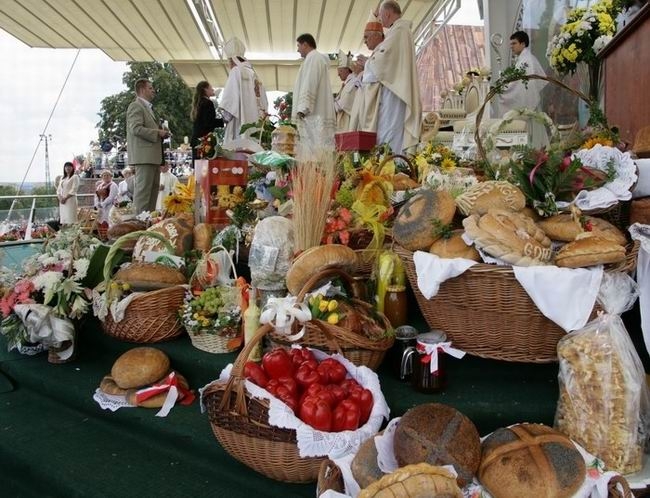
Harvest festivals are deeply rooted in agrarian societies worldwide, marking the culmination of the growing season and the vital act of reaping what has been…
Contents
Overview
The genesis of harvest festivals stretches back to the dawn of agriculture, predating recorded history. Ancient Mesopotamian civilizations, such as the Sumerians, celebrated festivals like the Kishar in honor of the earth goddess, coinciding with planting and harvesting seasons. Similarly, ancient Greeks observed the Thesmophoria, a women-only festival dedicated to Demeter, goddess of grain and harvest, typically held in autumn. In ancient Rome, the Consualia honored Consus, the god of the harvest, celebrated in August and October. These early observances were not merely about feasting; they were deeply spiritual, involving prayers, sacrifices, and rituals to ensure fertility and a bountiful yield for the coming year, reflecting a profound connection between human survival and the cycles of nature. The concept of giving thanks for harvest is a near-universal human response to the fundamental act of sustenance.
⚙️ How It Works
At its core, a harvest festival functions as a communal acknowledgment of successful agriculture. The 'how it works' is less about a rigid structure and more about a shared purpose: celebrating the end of the growing season. This typically involves gathering the crops, which then form the centerpiece of communal meals. In many cultures, specific dishes prepared from the season's bounty are part of harvest festivals, such as cornbread in North America or pumpkin pie in the United States. Beyond the feast, activities often include parades, music, dancing, and the decoration of public spaces or places of worship with harvest produce. For instance, Harvest Festival in Britain sees churches adorned with fruits, vegetables, and grains, a practice that has roots in pagan traditions of appeasing nature spirits. The distribution of surplus food to the needy is also a common element, reinforcing community bonds and social welfare.
📊 Key Facts & Numbers
Globally, harvest festivals are relevant practices for a significant portion of the world's population. In the United States, Thanksgiving is observed annually. The Oktoberfest in Munich, Germany, while primarily a beer festival, also has roots in celebrating the harvest. In China, the Mid-Autumn Festival is a significant harvest festival. These numbers underscore the immense scale and economic impact of harvest-related celebrations worldwide.
👥 Key People & Organizations
While no single individual 'founded' the concept of harvest festivals, numerous figures and organizations have played roles in their preservation and evolution. Religious leaders, from ancient priests to modern clergy, have consistently integrated harvest themes into their spiritual practices. In the United States, Sarah Josepha Hale, a 19th-century editor and writer, is often credited with campaigning for Thanksgiving to become a national holiday, a push that finally succeeded in 1863 under President Abraham Lincoln. In Britain, the Church of England continues to promote Harvest Festival services, encouraging congregations to bring produce for donation. Agricultural societies and community organizers globally are instrumental in hosting local harvest fairs and festivals, ensuring these traditions remain vibrant. Organizations like the FAO indirectly support harvest-related awareness through their work on global food security.
🌍 Cultural Impact & Influence
Harvest festivals have profoundly shaped cultural landscapes, influencing art, literature, and social customs. The imagery of abundance – overflowing baskets, golden fields, and communal feasts – is a recurring motif in artistic expressions across cultures. In literature, harvest themes often symbolize completion, reward, and the cyclical nature of life, as seen in works like 'Harvest Home' by Flora Thompson. Socially, these festivals reinforce community ties, providing a crucial opportunity for people to connect, share resources, and celebrate collective achievements. The tradition of sharing harvest bounty with the less fortunate, a practice seen in Thanksgiving and British Harvest Festivals, has fostered a spirit of generosity and social responsibility. Furthermore, the global spread of certain harvest-related foods, like corn and rice, has been intertwined with the cultural significance of their respective harvest celebrations.
⚡ Current State & Latest Developments
In the contemporary era, harvest festivals are experiencing a resurgence, often adapting to modern concerns like sustainability and local food movements. Many communities are reviving or creating new harvest festivals that emphasize farm-to-table principles and support local farmers. For example, the Union Square Greenmarket in New York City hosts an annual Harvest Festival, drawing hundreds of thousands of attendees to celebrate local agriculture. Online platforms and social media have also become venues for sharing harvest recipes, traditions, and virtual celebrations, particularly in response to global events like the COVID-19 pandemic. There's a growing trend to connect harvest festivals with educational initiatives, teaching younger generations about food origins and agricultural practices. The focus is shifting from mere consumption to a deeper appreciation of the entire food system, from soil to table.
🤔 Controversies & Debates
The commercialization of harvest festivals, particularly Thanksgiving and Black Friday sales, is a significant point of contention. Critics argue that the focus has shifted from gratitude and community to excessive consumerism and debt. Another debate centers on the historical accuracy and cultural appropriation within some modern celebrations. For instance, the portrayal of the first Thanksgiving meal in the U.S. is often debated, with historians pointing out the complex and often fraught relationship between Wampanoag people and the Pilgrims. Furthermore, the environmental impact of large-scale festivals, including food waste and carbon emissions from travel, is increasingly scrutinized, prompting calls for more sustainable practices. The tension lies between preserving tradition and adapting to ethical and ecological realities.
🔮 Future Outlook & Predictions
The future of harvest festivals likely involves a greater emphasis on sustainability and ethical consumption. Expect to see more festivals highlighting regenerative agriculture, reducing food waste through composting and donation programs, and promoting plant-based diets. The integration of technology, such as augmented reality experiences showcasing crop growth cycles or virtual reality tours of farms, could also become more prevalent. There's also a potential for increased global collaboration, with festivals sharing best practices and celebrating diverse harvest traditions. As climate change impacts agricultural yields, harvest festivals may evolve to include discussions on resilience and adaptation, becoming platforms for addressing food security challenges. The core sentiment of gratitude will likely endure, but its expression will adapt to the pressing issues of our time.
💡 Practical Applications
Harvest festivals offer a rich array of practical applications, extending beyond mere celebration. They serve as powerful educational tools, teaching children and adults about where food comes from, the importance of sustainable agriculture, and the labor involved in food production. Many festivals act as vital fundraisers for local food banks and charities, directly addressing food insecurity within communities. They also provi
Key Facts
- Category
- culture
- Type
- topic