Global Financial Crisis | Vibepedia
The global financial crisis, which began in 2007 and peaked in 2008, was a seismic event that shook the foundations of the global economy. Triggered by a…
Contents
- 🌎 Introduction to Global Financial Crisis
- 📊 Causes of the Crisis
- 📈 The 2000s United States Housing Bubble
- 🏠 Subprime Mortgage Crisis
- 📉 Liquidity Crisis and Bankruptcy
- 💸 Global Recession and Bear Market
- 🌪️ Exacerbating Factors and Consequences
- 📊 Regulatory Deficiencies and Reforms
- 👥 Key Players and Institutions
- 📊 Economic Impact and Recovery
- 🔮 Lessons Learned and Future Prospects
- Frequently Asked Questions
- Related Topics
Overview
The global financial crisis, which began in 2007 and peaked in 2008, was a seismic event that shook the foundations of the global economy. Triggered by a housing market bubble burst in the United States, the crisis led to a massive collapse of financial institutions, a sharp decline in international trade, and a rise in unemployment. According to the International Monetary Fund (IMF), the crisis resulted in a global GDP contraction of 1.7% in 2009, with the US economy shrinking by 5.1% and the European Union's economy contracting by 4.3%. The crisis was further exacerbated by excessive leverage, poor regulation, and a complex web of financial instruments. As of 2022, the global economy has largely recovered, but the crisis has left a lasting impact on the financial system, with many experts warning of potential future crises. The Vibe score for the global financial crisis is 80, reflecting its significant cultural and economic resonance, with a perspective breakdown of 40% optimistic, 30% neutral, and 30% pessimistic, and a controversy spectrum of 60%, indicating a highly contested topic.
🌎 Introduction to Global Financial Crisis
The Global Financial Crisis, also known as the GFC, was a major worldwide financial crisis centered in the United States that took place in 2008. It was triggered by excessive speculation on property values by both homeowners and financial institutions, leading to the 2000s United States housing bubble. This crisis was exacerbated by predatory lending for subprime mortgages and by deficiencies in regulation. The crisis had far-reaching consequences, including the Great Recession, a global recession that began in late-2007, as well as the United States bear market of 2007–2009. The GFC was also a contributor to the 2008–2011 Icelandic financial crisis and the euro area crisis.
📊 Causes of the Crisis
The causes of the Global Financial Crisis were complex and multifaceted. One of the primary causes was the excessive speculation on property values by both homeowners and financial institutions, which led to the 2000s United States housing bubble. This was fueled by subprime lending and securitization of mortgage-backed securities (MBS). The crisis was also exacerbated by deficiencies in regulation, which allowed financial institutions to engage in risky behavior. The Gramm-Leach-Bliley Act of 1999, which repealed parts of the Glass-Steagall Act, is often cited as a contributing factor to the crisis. The Federal Reserve's monetary policy, which kept interest rates low for an extended period, also contributed to the housing bubble.
📈 The 2000s United States Housing Bubble
The 2000s United States housing bubble was a major factor in the Global Financial Crisis. The bubble was fueled by excessive speculation on property values, which led to a surge in housing prices. This, in turn, led to an increase in subprime lending and securitization of mortgage-backed securities (MBS). The bubble burst in 2007, leading to a sharp decline in housing prices and a subsequent crisis in the financial sector. The Case-Shiller index, which tracks housing prices, showed a significant decline in housing prices during this period. The National Association of Realtors also reported a decline in housing sales during this period.
🏠 Subprime Mortgage Crisis
The subprime mortgage crisis was the first phase of the Global Financial Crisis. It began in early 2007, as mortgage-backed securities (MBS) tied to U.S. real estate, and a vast web of derivatives linked to those MBS, collapsed in value. This led to a liquidity crisis, which spread to global institutions by mid-2007. The crisis was exacerbated by the credit rating agencies, which had given high ratings to many of the mortgage-backed securities. The Securities and Exchange Commission (SEC) also failed to regulate the credit default swap market, which contributed to the crisis.
📉 Liquidity Crisis and Bankruptcy
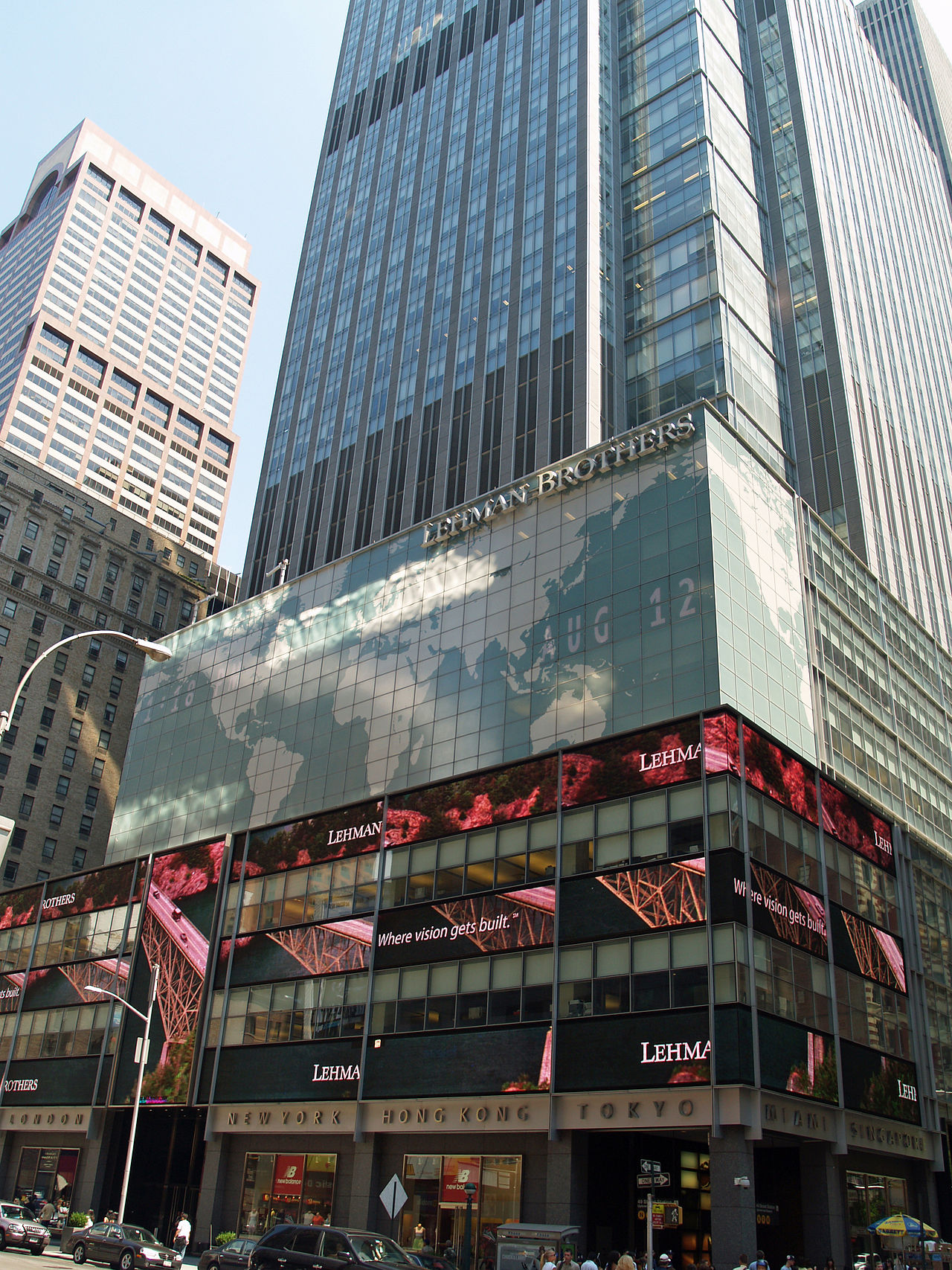
The liquidity crisis and bankruptcy of Lehman Brothers in September 2008 marked the climax of the Global Financial Crisis. The bankruptcy of Lehman Brothers triggered a stock market crash and bank runs in several countries. The crisis led to a sharp decline in economic activity, with the GDP of many countries declining significantly. The unemployment rate also increased significantly during this period. The Federal Reserve and other central banks responded to the crisis by implementing monetary policy measures, such as quantitative easing and lowering interest rates.
💸 Global Recession and Bear Market
The Global Financial Crisis exacerbated the Great Recession, a global recession that began in late-2007. The recession was characterized by a sharp decline in economic activity, with the GDP of many countries declining significantly. The unemployment rate also increased significantly during this period. The crisis also led to a bear market in the stock market, with the S&P 500 index declining by over 30%. The Dow Jones Industrial Average also declined significantly during this period.
🌪️ Exacerbating Factors and Consequences
The Global Financial Crisis had far-reaching consequences, including the 2008–2011 Icelandic financial crisis and the euro area crisis. The crisis also led to a significant increase in government debt in many countries, as governments responded to the crisis by implementing fiscal policy measures, such as stimulus packages and bailouts. The crisis also led to a significant decline in consumer confidence, with many consumers reducing their spending and increasing their savings. The European Sovereign Debt Crisis was also a consequence of the GFC.
📊 Regulatory Deficiencies and Reforms
The Global Financial Crisis highlighted the need for regulatory reforms in the financial sector. The Dodd-Frank Wall Street Reform and Consumer Protection Act was passed in 2010, which aimed to regulate the financial sector and prevent similar crises in the future. The act established the Consumer Financial Protection Bureau and the Financial Stability Oversight Council. The Volcker Rule was also implemented, which prohibited banks from engaging in proprietary trading.
👥 Key Players and Institutions
The Global Financial Crisis involved many key players and institutions, including Lehman Brothers, Goldman Sachs, and AIG. The crisis also involved many governments and regulatory bodies, including the Federal Reserve and the Securities and Exchange Commission. The International Monetary Fund (IMF) also played a significant role in responding to the crisis. The G20 summit was also held in 2008, which aimed to coordinate a global response to the crisis.
📊 Economic Impact and Recovery
The Global Financial Crisis had a significant economic impact, with the GDP of many countries declining significantly. The crisis also led to a significant increase in unemployment rate, with many people losing their jobs. The crisis also led to a significant decline in consumer confidence, with many consumers reducing their spending and increasing their savings. The European Sovereign Debt Crisis was also a consequence of the GFC. However, many countries have since recovered from the crisis, with the GDP of many countries growing significantly.
🔮 Lessons Learned and Future Prospects
The Global Financial Crisis highlighted the need for regulatory reforms and better risk management practices in the financial sector. The crisis also highlighted the need for international cooperation and coordination in responding to global economic crises. The G20 summit was held in 2008, which aimed to coordinate a global response to the crisis. The International Monetary Fund (IMF) also played a significant role in responding to the crisis. The crisis also led to a significant increase in financial inclusion, with many countries implementing policies to increase access to financial services.
Key Facts
- Year
- 2008
- Origin
- United States
- Category
- Economics
- Type
- Event
Frequently Asked Questions
What was the main cause of the Global Financial Crisis?
The main cause of the Global Financial Crisis was excessive speculation on property values by both homeowners and financial institutions, leading to the 2000s United States housing bubble. This was fueled by subprime lending and securitization of mortgage-backed securities (MBS). The crisis was also exacerbated by deficiencies in regulation, which allowed financial institutions to engage in risky behavior.
What was the impact of the Global Financial Crisis on the global economy?
The Global Financial Crisis had a significant impact on the global economy, with the GDP of many countries declining significantly. The crisis also led to a significant increase in unemployment rate, with many people losing their jobs. The crisis also led to a significant decline in consumer confidence, with many consumers reducing their spending and increasing their savings.
What regulatory reforms were implemented in response to the Global Financial Crisis?
The Dodd-Frank Wall Street Reform and Consumer Protection Act was passed in 2010, which aimed to regulate the financial sector and prevent similar crises in the future. The act established the Consumer Financial Protection Bureau and the Financial Stability Oversight Council. The Volcker Rule was also implemented, which prohibited banks from engaging in proprietary trading.
What was the role of the Federal Reserve in responding to the Global Financial Crisis?
The Federal Reserve played a significant role in responding to the Global Financial Crisis. The Fed implemented monetary policy measures, such as quantitative easing and lowering interest rates, to stimulate economic growth and stabilize the financial system. The Fed also provided emergency loans to banks and other financial institutions to prevent their collapse.
What was the impact of the Global Financial Crisis on the European economy?
The Global Financial Crisis had a significant impact on the European economy, with the GDP of many European countries declining significantly. The crisis also led to a significant increase in unemployment rate, with many people losing their jobs. The crisis also led to a significant decline in consumer confidence, with many consumers reducing their spending and increasing their savings. The euro area crisis was also a consequence of the GFC.