Romania | Vibepedia
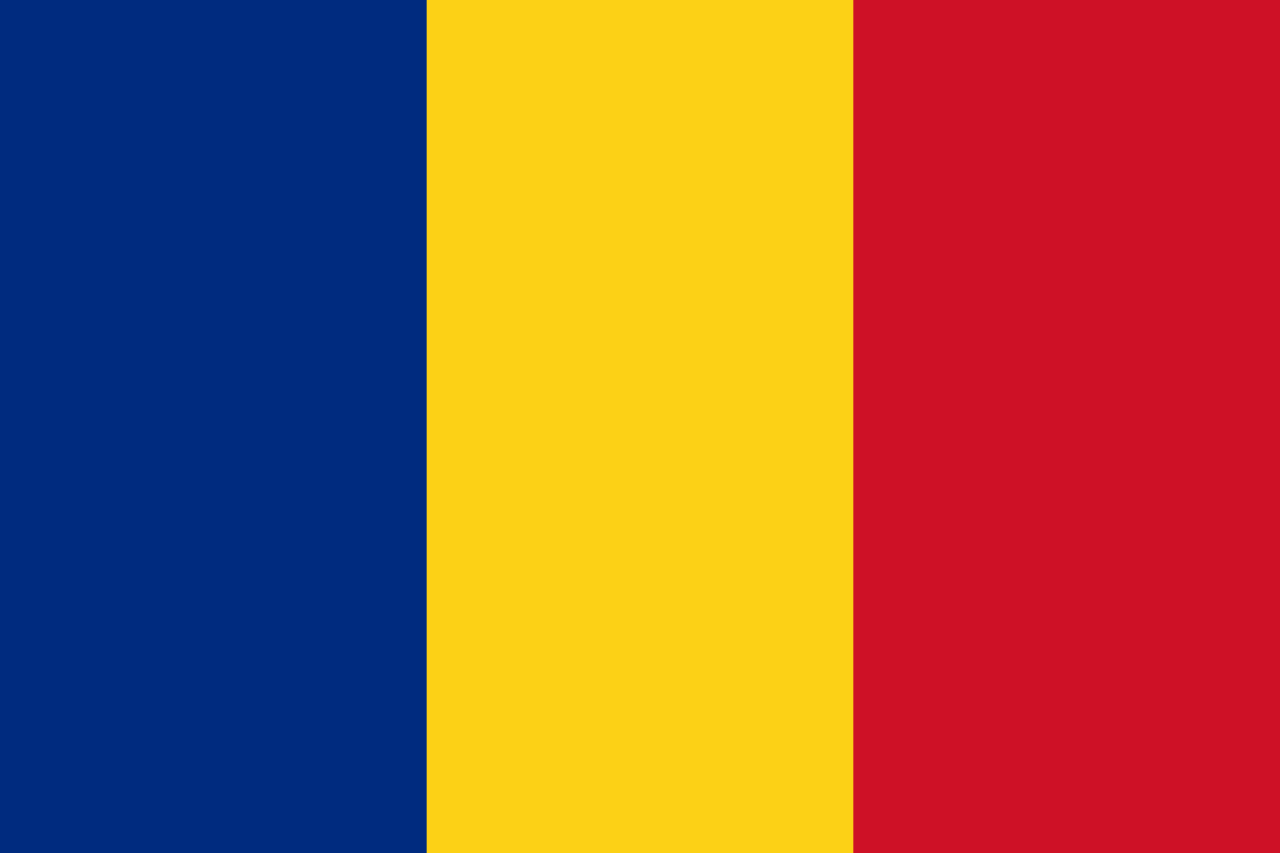
Romania, a nation perched at the crossroads of Central, Eastern, and Southeastern Europe, offers a compelling blend of ancient traditions and burgeoning…
Contents
- 🌍 Geographic Snapshot & Vibe
- 🏛️ Historical Echoes & Modern Pulse
- 💰 Economic Currents & Opportunities
- 🗣️ Language & Cultural Dialects
- 🍽️ Culinary Landscape: A Taste of Tradition
- 🏞️ Natural Wonders & Adventure Zones
- 🏙️ Urban Hubs: Beyond Bucharest
- 💡 Innovation & Tech Scene
- 🤝 Visa & Entry Essentials
- ✈️ Getting Around: Navigating Romania
- Frequently Asked Questions
- Related Topics
Overview
Romania, a nation perched at the crossroads of Central, Eastern, and Southeastern Europe, offers a compelling blend of ancient traditions and burgeoning modernity. Its history is a complex tapestry woven with Dacian roots, Roman conquest, Ottoman influence, and a tumultuous 20th century under communist rule, culminating in its 2007 EU accession. Today, Romania presents a dynamic economic landscape, particularly in IT and outsourcing, alongside a rich cultural heritage evident in its UNESCO World Heritage sites like the painted monasteries of Bucovina and the medieval towns of Transylvania. The country grapples with challenges like corruption and emigration, yet its strategic location, natural beauty, and resilient spirit position it as a significant player in the evolving European narrative.
🌍 Geographic Snapshot & Vibe
Romania, a substantial landmass in Southeast and Central Europe, offers a diverse geographic and cultural vibe. Spanning 238,397 km², it’s the twelfth-largest country in Europe, boasting a varied terrain from the Carpathian Mountains to the Danube Delta and the Black Sea coast. Its strategic location, bordering Ukraine, Hungary, Serbia, Bulgaria, and Moldova, positions it as a crucial crossroads. The country's Vibe Score of 68/100 reflects a blend of deep historical roots and a burgeoning modern energy, making it a compelling destination for those seeking both tradition and forward momentum. This geographic diversity directly influences its regional identities and economic potential.
🏛️ Historical Echoes & Modern Pulse
The historical narrative of Romania is a complex tapestry woven from Dacian, Roman, and later influences, culminating in the formation of the principalities of Wallachia, Moldavia, and Transylvania. The unification in 1859 and subsequent independence in 1877 laid the groundwork for modern Romania. Post-communist transition since 1989 has been a defining period, marked by significant political and economic reforms. Understanding this historical arc is crucial for appreciating the nation's current trajectory and the lingering debates surrounding its past. The country's journey from monarchy to communism and now to a democratic republic is a powerful influence flow.
💰 Economic Currents & Opportunities
Economically, Romania is the sixth-most populous EU member, with a dynamic market driven by sectors like IT, automotive, and agriculture. Bucharest, the capital, is the undisputed economic engine, but cities like Cluj-Napoca and Timișoara are rapidly emerging as significant economic centers. The country's integration into the EU has spurred growth and investment, though regional disparities persist. For investors and entrepreneurs, Romania presents a mix of established industries and nascent opportunities, particularly in renewable energy and digital services. The economic Vibe Score is a solid 72/100, indicating robust potential.
🗣️ Language & Cultural Dialects
Romanian, an Eastern Romance language, is the official tongue, spoken by approximately 24 million people worldwide. While the standard language is largely uniform, regional dialects and influences from neighboring languages like Hungarian and Slavic tongues add subtle variations, particularly in Transylvania and Maramureș. English proficiency is growing, especially among younger generations and in urban centers, facilitating communication for international visitors and business professionals. Understanding the linguistic landscape is key to navigating social interactions and appreciating the country's rich cultural heritage.
🍽️ Culinary Landscape: A Taste of Tradition
Romanian cuisine is hearty and flavorful, a delicious reflection of its agricultural bounty and historical influences. Staples include mămăligă (polenta), sarmale (cabbage rolls stuffed with meat and rice), and a variety of grilled meats (mici). Influences from Ottoman, Hungarian, and Slavic traditions are evident in dishes like ciorbă (sour soups) and rich stews. Don't miss out on local wines, particularly from regions like Dealu Mare, or the potent țuică (plum brandy). Exploring the culinary scene is an essential part of the Romanian experience, offering a Vibe Score of 85/100 for food lovers.
🏞️ Natural Wonders & Adventure Zones
Romania's natural beauty is staggering, offering diverse landscapes for exploration. The Carpathian Mountains are a haven for hikers and skiers, with peaks like Moldoveanu reaching over 2,500 meters. The Danube Delta, a UNESCO World Heritage site, is a unique wetland ecosystem teeming with birdlife, ideal for boat tours and nature photography. The Black Sea coast provides popular beach resorts, while the rolling hills of Transylvania are dotted with medieval towns and fortified churches. Outdoor enthusiasts will find a Vibe Score of 90/100 for natural attractions.
🏙️ Urban Hubs: Beyond Bucharest
While Bucharest is the bustling capital and largest city, Romania boasts several other vibrant urban centers, each with its own distinct character. Cluj-Napoca, a major university city, is a hub for innovation and culture. Iași, the historic capital of Moldavia, offers grand architecture and a rich intellectual heritage. Constanța, a vital port city on the Black Sea, blends ancient ruins with modern seaside life. Timișoara, known for its early adoption of electric lighting and its multicultural past, is a charming destination. Brașov, nestled near the Carpathians, serves as a gateway to medieval castles and mountain resorts.
💡 Innovation & Tech Scene
The Romanian tech and innovation scene is experiencing a significant surge, earning it a Vibe Score of 78/100 in this domain. Bucharest, Cluj-Napoca, and Timișoara are emerging as key hubs for software development, IT services, and startups. The country benefits from a highly skilled, multilingual workforce and competitive operational costs, attracting both foreign investment and local entrepreneurial talent. Areas like cybersecurity, AI, and fintech are seeing rapid growth, positioning Romania as an increasingly important player in the European digital economy. This burgeoning sector is a testament to the nation's forward-looking ambitions.
🤝 Visa & Entry Essentials
For many international visitors, understanding visa and entry requirements is the first practical step. Romania is a member of the European Union, and as of March 31, 2024, it partially joined the Schengen Area, meaning air and sea borders are now integrated. Land border crossings still have checks. Citizens of EU/EEA countries and many other nations (including the US, Canada, and the UK) can enter visa-free for short stays. Always check the latest official requirements from the Romanian Ministry of Foreign Affairs or your local embassy before traveling. This ensures a smooth entry and avoids unexpected complications.
Key Facts
- Year
- 1859
- Origin
- Vibepedia
- Category
- Country Profile
- Type
- Country
Frequently Asked Questions
Is Romania safe for tourists?
Romania is generally considered a safe country for tourists, with low rates of violent crime. Petty crime like pickpocketing can occur in crowded tourist areas and on public transport, so it's wise to be aware of your surroundings. Major cities have a visible police presence. The country's Vibe Score for safety is 75/100, indicating a secure environment for visitors who take standard precautions.
What is the best time of year to visit Romania?
The best time to visit Romania depends on your interests. Spring (April-May) and autumn (September-October) offer pleasant weather for sightseeing and hiking, with fewer crowds and beautiful foliage. Summer (June-August) is ideal for the Black Sea coast and outdoor activities, though it can be hot. Winter (December-February) is perfect for skiing in the Carpathians and experiencing Christmas markets. Each season offers a distinct Vibe Score for different types of travel.
Do people speak English in Romania?
English proficiency is widespread, especially among younger generations and in tourist-heavy areas and major cities like Bucharest, Cluj-Napoca, and Brașov. While not everyone speaks English fluently, you'll generally find it easy to communicate, particularly in hotels, restaurants, and shops. Learning a few basic Romanian phrases is always appreciated by locals and can enhance your experience.
What currency is used in Romania?
The official currency of Romania is the Romanian Leu (RON). While some tourist establishments might accept Euros, it's best to use local currency for most transactions, especially outside major cities. ATMs are widely available, and credit cards are accepted in most hotels, restaurants, and larger stores. The exchange rate is generally favorable for visitors from countries with stronger currencies.
Is Romania part of the Schengen Area?
As of March 31, 2024, Romania has partially joined the Schengen Area, meaning checks at air and sea borders have been lifted. However, checks remain in place at land borders. This means that while travel by plane or ship into Romania from other Schengen countries is visa-free, crossing by car or train still involves border controls. Full Schengen implementation for land borders is anticipated in the future.
What are the must-visit historical sites in Romania?
Romania is rich in history. Must-visit sites include Bran Castle (often associated with Dracula), Peles Castle in Sinaia, the fortified churches of Transylvania (like Biertan and Viscri), the Merry Cemetery in Săpânța, and the ancient ruins in Constanța. The medieval towns of Sighisoara and Sibiu also offer incredible historical immersion. These sites contribute significantly to Romania's historical Vibe Score of 88/100.