Danube Delta: Europe's Wildest Frontier | Vibepedia
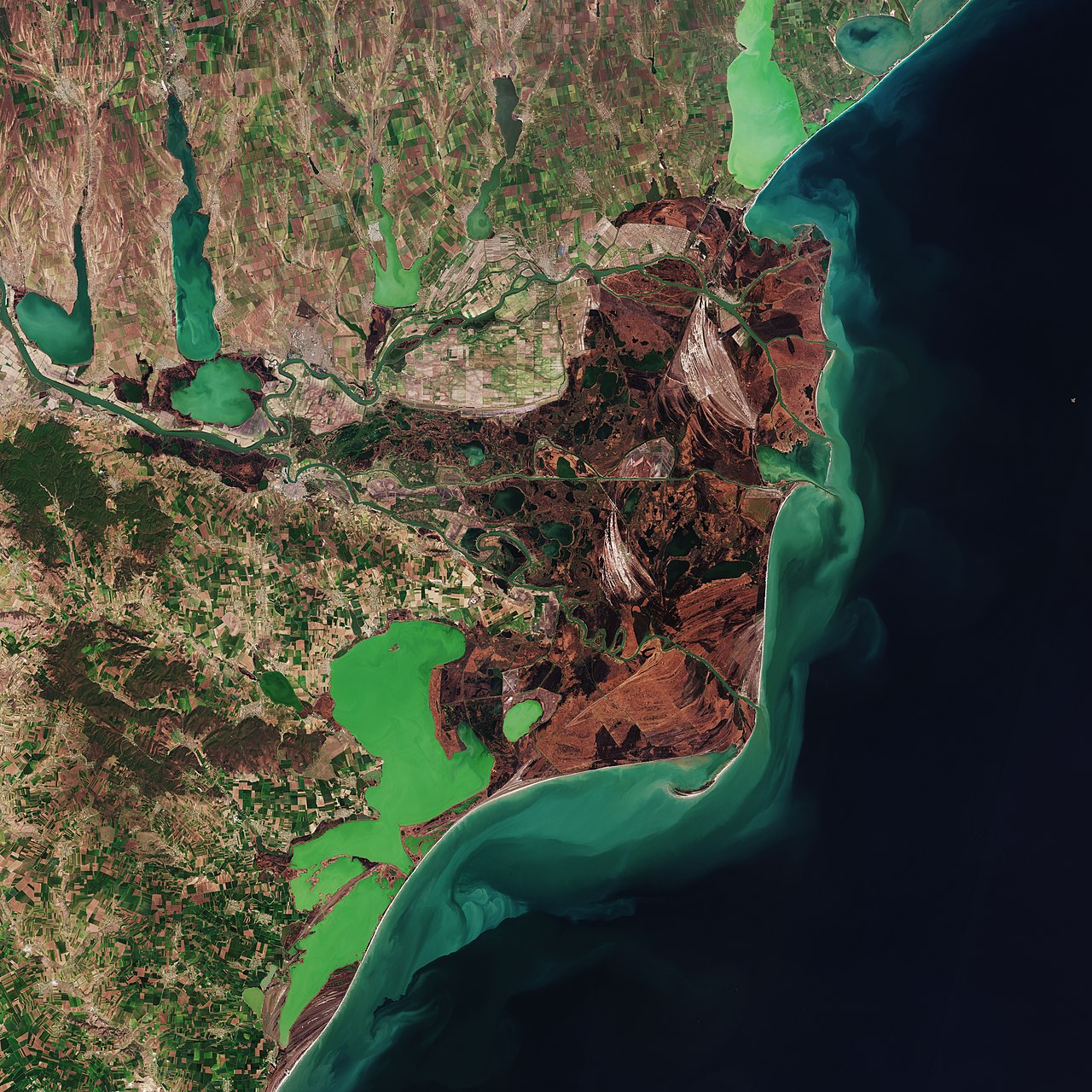
The Danube Delta, a UNESCO World Heritage site, is Europe's youngest landmass and a sprawling, biodiverse wetland at the confluence of the Danube River and…
Contents
- 📍 Overview: Europe's Aquatic Labyrinth
- 🗺️ Location & Access: Where the Danube Meets the Sea
- 🚤 Getting Around: Navigating the Waterways
- 🐦 Wildlife & Biodiversity: A Birder's Paradise
- 🏨 Accommodation: From Rustic Camps to Riverside Stays
- 💰 Pricing & Value: Investing in Untamed Nature
- ⭐ What People Say: The Delta's Vibe Score
- 💡 Practical Tips for Your Delta Adventure
- Frequently Asked Questions
- Related Topics
Overview
The Danube Delta, a UNESCO World Heritage site, is Europe's youngest landmass and a sprawling, biodiverse wetland at the confluence of the Danube River and the Black Sea. Spanning over 4,300 square kilometers, it's a dynamic ecosystem of marshes, reed beds, lakes, and channels, supporting an astonishing array of birdlife – over 300 species, including pelicans, cormorants, and herons – and diverse aquatic life. Historically a remote and challenging region, it's now accessible for ecotourism, offering unique experiences like boat tours through labyrinthine waterways, birdwatching expeditions, and encounters with traditional fishing communities. Navigating its intricate network requires local knowledge, often best gained through guided tours, to truly appreciate its raw beauty and ecological significance. The delta's future hinges on balancing conservation efforts with sustainable tourism and the livelihoods of its inhabitants.
📍 Overview: Europe's Aquatic Labyrinth
The Danube Delta is not just a geographical feature; it's a living, breathing ecosystem, a sprawling wetland of international significance. Spanning approximately 4,152 square kilometers, with the Razim-Sinoe lagoon complex pushing the total to over 5,165 km², it’s Europe's second-largest delta and its most pristine. This is a place where over 300 species of birds find sanctuary, and where the rhythm of life is dictated by the flow of water and the whisper of reeds. For the ecotourist and the nature enthusiast, it offers an unparalleled immersion into a wild, untamed landscape that feels a world away from the continent's bustling cities. It's a UNESCO World Heritage site for a reason, a testament to nature's enduring power.
🗺️ Location & Access: Where the Danube Meets the Sea
The delta is primarily located in southeastern Romania, with a smaller portion extending into Ukraine. The main gateway for most visitors is the city of Tulcea, a bustling port town that serves as the primary hub for onward travel into the delta. From Bucharest, you can reach Tulcea by train (approx. 4-5 hours) or by car. For those arriving from international destinations, Henri Coandă International Airport (OTP) in Bucharest is the closest major airport. Once in Tulcea, you'll find numerous boat operators and tour agencies ready to whisk you away into the heart of this aquatic wonderland. The sheer scale of the delta means that access is almost exclusively water-based, a crucial detail for planning your logistics.
🐦 Wildlife & Biodiversity: A Birder's Paradise
The biodiversity of the Danube Delta is staggering, making it a premier destination for birdwatching and wildlife photography. Over 300 species of birds have been recorded, including the largest colony of pelicans in Europe – the Dalmatian pelican and the common pelican. You'll also find cormorants, herons, egrets, and numerous migratory species that pass through during spring and autumn. Beyond birds, the delta is home to wildcats, foxes, otters, and a rich variety of fish, including sturgeon, which are a symbol of the region's ecological importance. The sheer density of life is a vibrant spectacle.
🏨 Accommodation: From Rustic Camps to Riverside Stays
Accommodation options in the Danube Delta range from simple guesthouses (pensiuni) offering a taste of local life to more comfortable hotels and eco-lodges. Many are situated in picturesque villages like Mila 23, Crișan, or Sfântu Gheorghe, often accessible only by boat. Expect rustic charm, home-cooked meals featuring fresh delta fish, and a peaceful atmosphere. Camping is also an option in designated areas, offering a truly immersive experience. Booking in advance is advisable, especially during peak season, as capacity can be limited. Consider the type of experience you desire when choosing your stay.
💰 Pricing & Value: Investing in Untamed Nature
The Danube Delta offers exceptional value for money, especially when compared to other European ecotourism destinations. While prices can vary based on the season and the type of tour or accommodation chosen, a typical 3-4 day package including boat trips, meals, and lodging can range from €200 to €500 per person. Independent travel by ferry can be even more budget-friendly, though it requires more planning. The cost of a guided boat tour might be around €50-€100 for a full day, depending on the itinerary and group size. This investment in nature yields immense returns in terms of unique experiences and ecological insight.
⭐ What People Say: The Delta's Vibe Score
The Danube Delta consistently receives high marks for its raw, untamed beauty and its ecological significance. Visitors often praise the overwhelming sense of peace and the incredible wildlife encounters. A typical Vibe Score for the Danube Delta hovers around 85/100, driven by its unique natural status and the authentic local culture. While some might find the infrastructure basic, this is precisely what preserves its charm. The sheer abundance of birdlife and the unique delta landscape are frequently cited as highlights. The overall experience is one of profound natural immersion.
💡 Practical Tips for Your Delta Adventure
When planning your trip to the Danube Delta, pack light, breathable clothing suitable for warm weather, but also a waterproof jacket and layers for cooler evenings or unexpected rain. Insect repellent is essential, especially during summer months. Bring binoculars for wildlife viewing – they are non-negotiable! Learn a few basic Romanian phrases; while English is spoken in tourist hubs, local interactions are enriched by a little Romanian. Always confirm boat schedules and tour details in advance, and be prepared for a slower pace of life. Embrace the digital detox and the unique rhythm of the delta.
Key Facts
- Year
- 1991
- Origin
- Natural geological formation and ongoing deposition by the Danube River
- Category
- Natural Wonders & Ecotourism
- Type
- Geographical Region
Frequently Asked Questions
What is the best time of year to visit the Danube Delta?
The best time to visit is generally spring (April-May) and autumn (September-October). Spring offers blooming vegetation and abundant bird activity, including nesting season. Autumn is ideal for migratory birds and pleasant weather. Summer (June-August) is warmer but can be crowded and hot, with more mosquitoes. Winter offers a stark, quiet beauty and opportunities to see different bird species, but many services may be limited.
Do I need a visa to visit the Danube Delta?
Visa requirements depend on your nationality. Most EU/EEA citizens do not need a visa for Romania. Citizens of many other countries (e.g., USA, Canada, Australia) can enter Romania for short stays (up to 90 days within a 180-day period) without a visa. However, it is crucial to check the latest visa regulations with the Romanian Ministry of Foreign Affairs or your local embassy well in advance of your travel.
What are the main dangers or risks in the Danube Delta?
The primary concerns are related to the natural environment. Mosquitoes can be prevalent, especially in warmer months, so insect repellent is vital. While wildlife is generally not aggressive, maintaining a safe distance is always recommended. Navigating the waterways requires caution; always use reputable boat operators and follow safety guidelines. The remote nature means access to advanced medical facilities can be limited, so ensure you have adequate travel insurance.
Can I visit the Danube Delta independently or do I need a tour?
You can visit independently, but a guided tour is highly recommended, especially for first-time visitors. Local guides offer invaluable knowledge of the delta's channels, wildlife hotspots, and cultural nuances. Independent travel often involves relying on public ferries, which have fixed schedules and may not reach all desired areas. Many visitors opt for a combination, using ferries for some legs and hiring local guides for specific excursions.
What kind of wildlife can I expect to see?
The Danube Delta is renowned for its avian population, with over 300 species recorded. Expect to see pelicans (Dalmatian and Common), cormorants, herons, egrets, swans, and various raptors. Mammals include otters, wildcats, foxes, and wild boar. The waterways teem with fish, including several species of sturgeon. The exact sightings depend on the season and the specific areas you visit within the delta.
Is the Danube Delta suitable for families with children?
Yes, the Danube Delta can be a fantastic destination for families, offering a unique educational and adventurous experience. Children are often fascinated by the boat trips and the abundance of wildlife. However, it's important to consider the age of the children and their ability to handle boat travel and potentially basic accommodation. Mosquito repellent and sun protection are crucial. Opting for shorter boat trips and family-friendly accommodations can enhance the experience.