Whiskey Distilleries | Vibepedia
Whiskey distilleries are the crucibles where grain, water, yeast, and time are transformed into the world's most celebrated spirits. These facilities, ranging…
Contents
- 🎵 Origins & History
- ⚙️ How Distilleries Work
- 📊 Key Facts & Numbers
- 👥 Key People & Organizations
- 🌍 Cultural Impact & Influence
- ⚡ Current State & Latest Developments
- 🤔 Controversies & Debates
- 🔮 Future Outlook & Predictions
- 💡 Practical Applications
- 📚 Related Topics & Deeper Reading
- Frequently Asked Questions
- References
- Related Topics
Overview
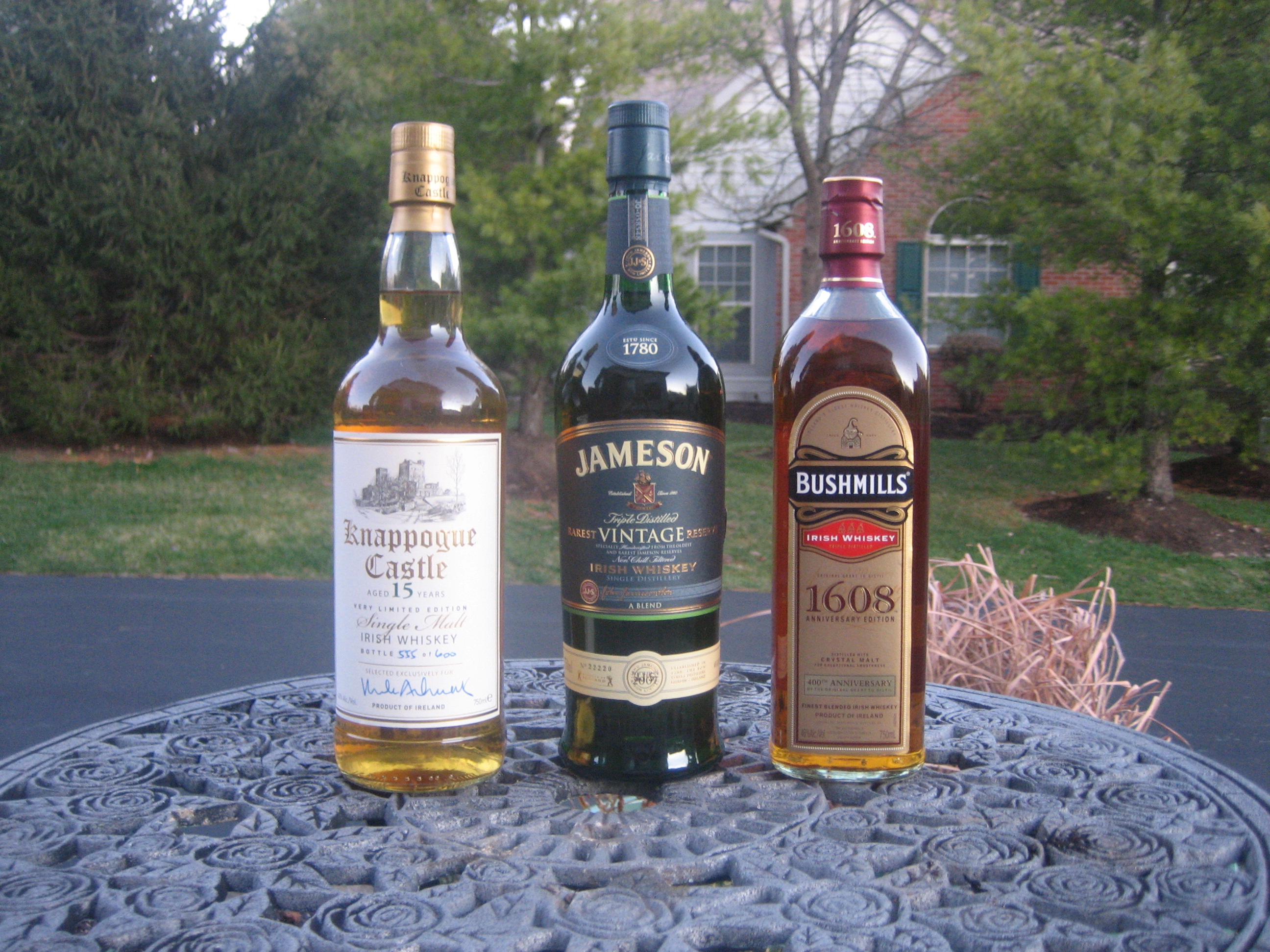
The genesis of whiskey distillation is shrouded in the mists of time, with roots often traced to early alchemical practices and monastic orders in Ireland and Scotland around the 6th century AD. The term 'whiskey' itself derives from the Gaelic 'uisce beatha,' meaning 'water of life,' a testament to its perceived medicinal and life-affirming qualities. Early distillation was rudimentary, often using pot stills and focusing on producing potent spirits for local consumption. By the 17th and 18th centuries, distillation began to professionalize, with the establishment of commercial distilleries like Bushmills in Northern Ireland (established 1608), making it one of the oldest licensed distilleries in the world. The Scotch Whisky Act of 1823 and subsequent legislation further codified production methods and taxation, shaping the industry's trajectory and leading to the rise of major players like John Dewar & Sons and Chivas Brothers.
⚙️ How Distilleries Work
At its core, a whiskey distillery is an industrial ecosystem designed for the precise transformation of fermented grain mash into spirit. The process begins with malting (for barley-based whiskeys), followed by mashing, where grains are steeped in hot water to convert starches into fermentable sugars, creating a 'wash.' This wash is then fermented by yeast in large vessels called washbacks, producing a low-alcohol liquid. The crucial step of distillation occurs in copper stills—either pot stills for single malts or column stills for grain whiskies—which heat the fermented liquid, vaporize the alcohol, and then condense it back into a higher-proof spirit. This 'new make' spirit is then aged, typically in oak barrels, for a minimum period (e.g., three years for Scotch), during which it develops its characteristic color, aroma, and flavor through interaction with the wood and air.
📊 Key Facts & Numbers
The global whiskey market is a colossal enterprise, valued at over $120 billion USD in 2023 and projected to surpass $150 billion by 2028, according to Statista. Scotland alone exported over £6 billion worth of Scotch whisky in 2022, with the United States and France being its largest markets. The United States boasts over 2,000 distilleries, a significant increase from fewer than 100 in the early 1990s. Single malt Scotch whisky, once a niche product, now accounts for roughly 30% of the Scotch market. The average aging period for premium whiskies can range from 10 to 25 years, with some rare bottlings aged for over 50 years, commanding prices in the tens of thousands of dollars. The global production volume of whiskey is estimated to be in the billions of liters annually.
👥 Key People & Organizations
The landscape of whiskey distilleries is shaped by visionary founders, master distillers, and influential corporations. Figures like John Jameson, whose eponymous Irish whiskey brand was founded in 1780, laid the groundwork for global spirits empires. In Scotland, the Grant family has overseen Glenfiddich for generations, maintaining its status as a leading single malt. The Suntory group, led by figures like Shinjiro Torii, revolutionized Japanese whisky production, creating brands like Yamazaki. In the United States, the Brown-Forman corporation, owner of Jack Daniel's, and Beam Suntory, owner of Jim Beam, are titans of the industry. Master distillers like Jim Rutledge (formerly of Four Roses) are revered for their expertise.
🌍 Cultural Impact & Influence
Whiskey distilleries are not merely production facilities; they are cultural landmarks that shape regional identities and global consumption patterns. The romanticized image of Scottish Highland distilleries, with their stone buildings and peat smoke, has become a powerful marketing tool for Scotch whisky worldwide. Similarly, the 'Bourbon Trail' in Kentucky, USA, attracts hundreds of thousands of tourists annually, turning distilleries like Woodford Reserve into pilgrimage sites. The rise of Japanese whisky, exemplified by distilleries like Yoichi, has introduced a new aesthetic and flavor profile to the global palate, influencing cocktail culture and fine dining. The very act of enjoying a dram of whiskey is often associated with moments of contemplation, celebration, or conviviality, deeply embedding distilleries into social rituals.
⚡ Current State & Latest Developments
The contemporary whiskey distillery scene is characterized by unprecedented growth and diversification. Since the early 2000s, there has been a dramatic resurgence in the number of new distilleries opening globally, particularly in the United States, Ireland, and Taiwan. This boom is driven by consumer interest in craft spirits, single malts, and unique flavor profiles. Many established distilleries are expanding their capacity and investing heavily in new technologies, such as advanced water treatment systems and energy-efficient distillation processes. Furthermore, the rise of 'virtual distilleries' or 'brand owners' who contract-distill their product elsewhere, like WhistlePig, adds another layer to the industry's dynamic.
🤔 Controversies & Debates
The rapid expansion of whiskey distilleries has not been without its controversies. One significant debate revolves around the authenticity and provenance of 'craft' whiskies, with accusations of brands sourcing and bottling whiskey from larger distilleries rather than producing it themselves. The environmental impact of large-scale distillation, particularly concerning water usage and carbon emissions from malting and drying processes, is another growing concern, prompting calls for more sustainable practices. Furthermore, the aggressive marketing of high-aged, expensive whiskies has led to debates about accessibility and the commodification of rare spirits, with some critics arguing it prices out enthusiasts. The historical legacy of some distilleries, tied to colonial pasts or exploitative labor practices, also faces increasing scrutiny.
🔮 Future Outlook & Predictions
The future of whiskey distilleries appears robust, albeit with evolving priorities. Expect continued innovation in barrel maturation, including the use of novel wood types and finishing techniques, to create even more complex flavor profiles. Sustainability will likely become a paramount concern, with distilleries investing in renewable energy sources, water recycling, and carbon capture technologies. The global reach of whiskey will continue to expand, with emerging markets in Asia and South America presenting significant growth opportunities. Furthermore, advancements in data analytics and AI may be employed to optimize distillation processes and predict aging outcomes, though the artisanal element will undoubtedly remain central. The trend towards experiential tourism at distilleries will also likely intensify, transforming them into immersive brand destinations.
💡 Practical Applications
Whiskey distilleries serve a primary function: the production of whiskey. However, their impact extends far beyond this. They are significant economic engines, creating jobs in agriculture, manufacturing, hospitality, and tourism. Many distilleries have become major tourist attractions, drawing visitors for tours, tastings, and educational experiences, thereby boosting local economies. The byproducts of distillation, such as spent grain, are often repurposed for animal feed, contributing to a circular economy. Furthermore, the infrastructure and expertise developed within distilleries can sometimes be adapted for the production of other spirits or even biofuels, showcasing a versatility that transcends their core product.
Key Facts
- Year
- c. 6th Century AD - Present
- Origin
- Ireland and Scotland
- Category
- culture
- Type
- organization
Frequently Asked Questions
What are the main stages of whiskey production in a distillery?
Whiskey production involves several key stages. First, grains like barley, corn, or rye are processed, often involving malting for barley. Then, mashing converts starches into fermentable sugars, creating a 'wash.' This wash is fermented by yeast in washbacks to produce alcohol. The crucial step is distillation, where the fermented liquid is heated in copper stills to separate and concentrate the alcohol. Finally, the resulting spirit, known as 'new make,' is aged in oak barrels for a specified period, during which it develops its characteristic flavor, color, and aroma. Each stage, from grain selection to barrel type, significantly impacts the final product.
How has the number of whiskey distilleries changed over time?
The number of whiskey distilleries has seen dramatic fluctuations. In the late 19th century, Ireland alone had dozens of distilleries. However, industry consolidation and Prohibition in the United States led to a sharp decline. For instance, Irish whiskey production fell from around 28 distilleries in the 1890s to just two by 1966. The late 20th and early 21st centuries have witnessed a significant resurgence, particularly with the rise of craft distilleries. The United States now boasts over 2,000 distilleries, and Scotland and Ireland have seen numerous new openings, reversing decades of decline.
What is the economic impact of whiskey distilleries?
Whiskey distilleries are substantial economic contributors. They generate revenue through direct sales, exports, and tourism, with the global whiskey market valued at over $120 billion USD. They create numerous jobs across various sectors, including agriculture (for grain sourcing), manufacturing (production and bottling), logistics, marketing, and hospitality. Distilleries often act as anchors for regional economies, particularly in areas like Kentucky's Bourbon Trail or Scotland's Speyside region, attracting significant tourist footfall and supporting local businesses. The export value of Scotch whisky alone reached £6 billion in 2022, highlighting their global economic importance.
What role do copper stills play in whiskey production?
Copper stills are fundamental to the distillation process in most whiskey distilleries, especially for single malt and Irish whiskeys. Copper possesses unique properties that are crucial for producing high-quality spirits. It reacts chemically with sulfur compounds present in the fermented wash, removing undesirable flavors and aromas that could otherwise impart a metallic or 'eggy' taste to the final spirit. Furthermore, copper is an excellent conductor of heat, allowing for efficient and controlled heating and cooling during the distillation process. The shape and size of the stills, whether pot stills or column stills, also significantly influence the spirit's character and proof.
Are all whiskies aged in oak barrels?
While oak barrels are the overwhelming standard for aging whiskey, the type of oak and the barrel's previous contents can vary significantly, impacting the final flavor. Common choices include American white oak (often used for Bourbon) and European oak (frequently used for Scotch). Many barrels are 'ex-bourbon' or 'ex-sherry' casks, imparting distinct notes of vanilla, caramel, or dried fruit. Some distilleries experiment with finishing their whiskies in other types of casks, such as wine, rum, or even beer barrels, for a shorter period to add unique layers of flavor. However, the fundamental requirement for aging in wooden containers, typically oak, remains a defining characteristic of whiskey production.
How can I visit a whiskey distillery?
Visiting a whiskey distillery is a popular form of tourism, often referred to as 'whiskey tourism.' Many distilleries offer guided tours that explain the production process, from grain to bottle, often culminating in a tasting session. Some also have visitor centers, restaurants, and shops. Popular 'trails' like the Kentucky Bourbon Trail or the Speyside Malt Whisky Trail in Scotland connect multiple distilleries. It's advisable to book tours in advance, especially during peak seasons, as popular distilleries can fill up quickly. Check the distillery's official website for tour options, availability, and booking information. Some distilleries also offer exclusive experiences, such as cask-filling demonstrations or blending workshops.
What are the future trends for whiskey distilleries?
The future of whiskey distilleries points towards increased innovation and sustainability. Expect a continued focus on unique cask finishes and experimental aging techniques to create novel flavor profiles. Sustainability will become a major driver, with distilleries investing in renewable energy, water conservation, and waste reduction technologies. The global market will likely see further expansion, with a growing demand for whiskies from emerging regions. Digital integration, using data analytics to optimize production and predict aging, may become more common, though the artisanal craft will remain central. Experiential tourism will also likely grow, with distilleries offering more immersive and personalized visitor experiences.