Watering Needs | Vibepedia
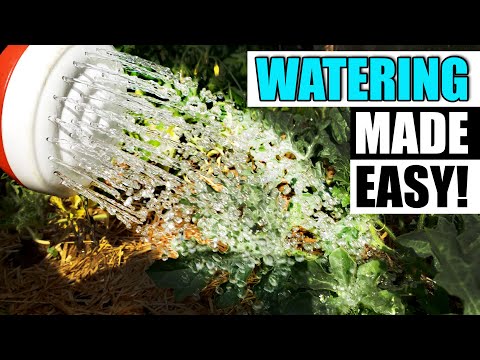
Watering needs vary greatly depending on the context, from agricultural irrigation to urban water management and individual hydration. The United Nations…
Contents
- 🌿 Introduction to Watering Needs
- 📍 Location & Access to Water
- 💧 Water Requirements for Different Plants
- 🌱 Factors Affecting Watering Needs
- 📊 Calculating Watering Needs
- 💸 Water Conservation Methods
- 🌈 Comparison with Similar Options
- 👥 Community Involvement in Watering Needs
- 🤔 Practical Tips for Watering
- 📞 Getting Started with Watering Needs
- 📊 Conclusion and Future Directions
- Frequently Asked Questions
- Related Topics
Overview
Watering needs vary greatly depending on the context, from agricultural irrigation to urban water management and individual hydration. The United Nations estimates that 2.3 billion people live in water-stressed countries, with 733 million facing severe scarcity. In the United States alone, the average person uses around 82 gallons of water per day, according to the EPA. Meanwhile, farmers must balance crop watering needs with conservation efforts, as excessive irrigation can lead to soil salinization and decreased crop yields. Researchers like Dr. Peter Gleick, a renowned expert on water resources, emphasize the importance of efficient irrigation systems and water-saving technologies. As the global population grows, understanding and addressing watering needs will become increasingly crucial for sustainable development and environmental stewardship.
🌿 Introduction to Watering Needs
Watering needs refer to the amount of water required by plants to grow and thrive. This concept is crucial in Environmental Science and Agriculture. Understanding watering needs is essential for Sustainable Gardening and Water Conservation. The goal is to provide plants with the right amount of water, neither too much nor too little. Overwatering can lead to Root Rot and other problems, while underwatering can cause Plant Stress.
📍 Location & Access to Water
Access to water is a critical factor in determining watering needs. In areas with Drought or Water Scarcity, watering needs must be carefully managed. Rainwater Harvesting and Grey Water Systems can help reduce the demand on Municipal Water Supplies. In areas with abundant water, Irrigation Systems can be designed to deliver water efficiently. Understanding Hydrology and Water Cycles is essential for managing watering needs.
💧 Water Requirements for Different Plants
Different plants have varying watering needs. Succulents and Cacti require less water than Tropical Plants. Vegetable Gardening and Fruit Trees also have specific watering needs. Understanding Plant Physiology and Soil Science can help determine the optimal watering schedule. Companion Planting can also help reduce watering needs by selecting plants that thrive in similar conditions.
🌱 Factors Affecting Watering Needs
Several factors affect watering needs, including Climate, Soil Type, and Plant Species. Temperature and Humidity also play a role in determining watering needs. Weather Patterns and Microclimates can also impact watering needs. Understanding Ecology and Environmental Factors is essential for managing watering needs.
📊 Calculating Watering Needs
Calculating watering needs involves considering several factors, including Evapotranspiration and Soil Moisture. Water Balance and Water Budget are also important concepts in calculating watering needs. Hydrologic Modeling can help predict watering needs and optimize Water Management.
💸 Water Conservation Methods
Water conservation methods are essential for reducing watering needs. Drip Irrigation and Mulching can help reduce water loss. Rain Sensors and Soil Moisture Sensors can also help optimize watering schedules. Water-Efficient Practices and Water-Saving Technologies can help reduce watering needs.
🌈 Comparison with Similar Options
Comparison with similar options, such as Flood Irrigation and Sprinkler Systems, can help determine the most efficient watering method. Drought-Tolerant Plants and Low-Water Gardening can also help reduce watering needs. Understanding Water Policy and Water Regulations can help inform watering decisions.
👥 Community Involvement in Watering Needs
Community involvement in watering needs is crucial for promoting Water Conservation and Sustainable Water Management. Community Gardens and Urban Agriculture can help raise awareness about watering needs. Water Education and Outreach Programs can also help promote water conservation.
🤔 Practical Tips for Watering
Practical tips for watering include Watering in the Morning and Avoiding Overwatering. Using Rain Barrels and Implementing Swale Systems can also help reduce watering needs. Understanding Plant Water Relations and Soil Water Dynamics can help optimize watering schedules.
📞 Getting Started with Watering Needs
Getting started with watering needs involves assessing the specific needs of your plants and Local Climate. Consulting with Experts and Conducting Soil Tests can help determine the optimal watering schedule. Installing Water-Efficient Systems and Implementing Water Conservation Practices can also help reduce watering needs.
📊 Conclusion and Future Directions
In conclusion, watering needs are a critical aspect of Environmental Science and Agriculture. Understanding the factors that affect watering needs and implementing water conservation methods can help reduce watering needs. As the world faces increasing Water Scarcity and Climate Change, managing watering needs will become increasingly important. Staying Informed about the latest research and technologies can help individuals and communities make informed decisions about watering needs.
Key Facts
- Year
- 2022
- Origin
- Global
- Category
- Environmental Science
- Type
- Concept
Frequently Asked Questions
What is the importance of watering needs in environmental science?
Watering needs are crucial in environmental science as they help determine the optimal amount of water required by plants to grow and thrive. Understanding watering needs is essential for sustainable gardening, water conservation, and reducing the environmental impact of agriculture. By managing watering needs, individuals and communities can help reduce water waste, prevent water pollution, and promote ecosystem health.
How do I calculate the watering needs of my plants?
Calculating watering needs involves considering several factors, including evapotranspiration, soil moisture, and plant species. You can use online tools or consult with experts to determine the optimal watering schedule for your plants. It's also important to monitor weather patterns, soil moisture, and plant health to adjust your watering schedule as needed.
What are some water conservation methods I can use to reduce watering needs?
There are several water conservation methods you can use to reduce watering needs, including drip irrigation, mulching, and using rain sensors and soil moisture sensors. You can also use drought-tolerant plants and implement water-efficient practices such as watering in the morning and avoiding overwatering.
How can I get involved in my community to promote water conservation and sustainable watering practices?
You can get involved in your community by participating in local water conservation initiatives, joining community gardens, and promoting water education and outreach programs. You can also volunteer with organizations that work on water conservation and sustainable agriculture projects.
What are some resources I can use to learn more about watering needs and water conservation?
There are several resources you can use to learn more about watering needs and water conservation, including online tutorials, workshops, and conferences. You can also consult with experts, read books and articles, and join online forums and discussion groups to stay informed about the latest research and technologies.
How can I implement water-efficient systems in my home or garden?
You can implement water-efficient systems in your home or garden by installing low-flow fixtures, using rain barrels, and implementing grey water systems. You can also use smart irrigation controllers and soil moisture sensors to optimize your watering schedule and reduce water waste.
What are some common mistakes people make when it comes to watering their plants?
Common mistakes people make when it comes to watering their plants include overwatering, underwatering, and not adjusting the watering schedule based on weather patterns and soil moisture. It's also important to avoid watering during the hottest part of the day and to use the right type of watering system for your plants.