Volcanic Islands | Vibepedia
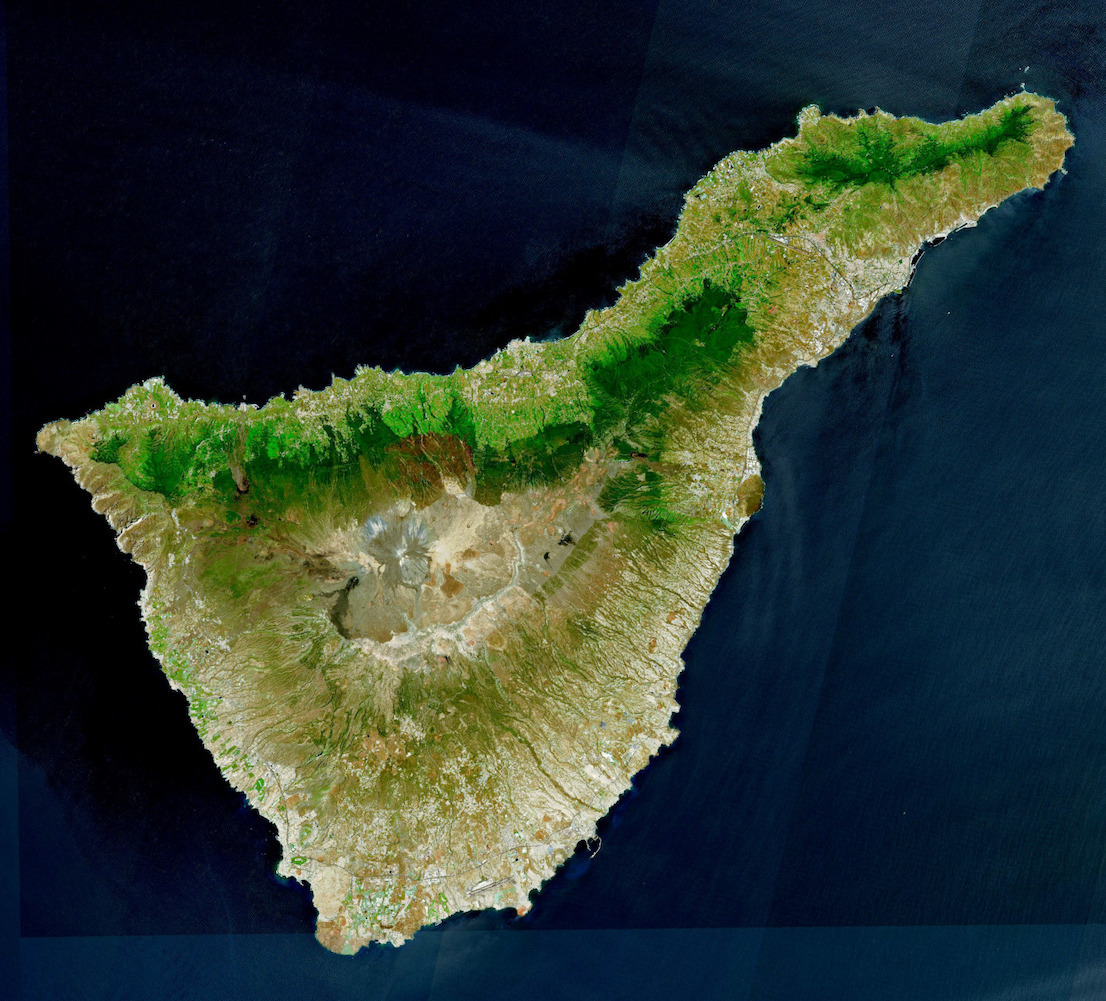
Volcanic islands are landmasses born from the Earth's internal heat, formed by the eruption of volcanoes on the ocean floor. These geological marvels, ranging…
Contents
Overview
Volcanic islands are landmasses born from the Earth's internal heat, formed by the eruption of volcanoes on the ocean floor. These geological marvels, ranging from the towering peaks of Hawaii to the rugged landscapes of Iceland, represent dynamic geological processes that continuously shape our planet. They are distinct from 'low islands' formed by coral reefs or sedimentation, often sitting atop ancient, submerged volcanic structures. The formation of volcanic islands is a testament to plate tectonics, where magma rises from the mantle, erupts, and accumulates over millennia to create emergent land. Their unique ecosystems, often characterized by endemic species, and their strategic locations have made them centers of human settlement, scientific study, and geopolitical interest throughout history. The ongoing activity of many volcanic islands, such as those in the Pacific Ring of Fire, underscores their role as active geological laboratories and potential hazards.
🎵 Origins & History
The genesis of volcanic islands is as ancient as the Earth's crust itself. Early explorers and naturalists observed the unique geological structures and biodiversity of islands, noting their volcanic origins and the specialized life forms they harbored. The concept of 'hotspots'—plumes of magma rising from deep within the Earth's mantle—was later developed to explain the linear chains of islands, like the Hawaiian Islands, formed as tectonic plates drift over stationary mantle plumes. These observations and theories transformed the study of islands from mere geographical curiosities into critical evidence for understanding planetary geology and evolution.
⚙️ How It Works
Volcanic islands are primarily formed through effusive or explosive volcanic eruptions on the ocean floor. When magma, less dense than the surrounding rock, rises from the Earth's mantle through fissures or mid-ocean ridges, it erupts as lava. This lava cools and solidifies, accumulating layer upon layer. Over vast geological timescales, repeated eruptions can build a volcanic cone that eventually rises above sea level. This process is particularly common at subduction zones, where one tectonic plate slides beneath another, melting and generating magma, and at oceanic hotspots, where plumes of magma pierce the overlying plate. The type of eruption—whether gentle lava flows (effusive) or violent explosions (explosive)—dictates the island's initial shape and composition, with shield volcanoes forming from fluid lava and stratovolcanoes from more viscous, explosive eruptions. The ongoing geological activity can lead to the formation of new islands, the enlargement of existing ones, or even their eventual submergence or collapse.
📊 Key Facts & Numbers
The sheer scale of volcanic island formation is staggering. The Pacific Ocean alone hosts thousands of volcanic islands, forming the vast Ring of Fire. Hawaii boasts Mauna Kea, which, measured from its base on the seafloor, is the tallest mountain on Earth at over 10,210 meters (33,500 feet). The Surtsey island off the coast of Iceland dramatically emerged from the sea in a series of eruptions that began in 1963 and lasted until 1967, reaching a peak elevation of 174 meters (571 feet) before erosion began its work. Globally, it's estimated that over 75% of the Earth's active volcanoes are located underwater, many of which have the potential to form new islands. The Mariana Trench, the deepest oceanic trench, is bordered by volcanic islands, highlighting the extreme geological forces at play.
👥 Key People & Organizations
While no single individual is solely credited with the 'discovery' of volcanic islands, numerous geologists, volcanologists, and naturalists have significantly contributed to our understanding. Early groundwork for understanding plate tectonics was laid. Early insights into volcanism were provided. Modern volcanology is advanced by institutions like the United States Geological Survey and the Geological Survey of Japan, which monitor volcanic activity worldwide. Organizations such as the International Union of Geodesy and Geophysics facilitate global research. The ongoing study of islands like Stromboli in Italy, known for its near-constant eruptions since Roman times, provides invaluable data for volcanologists.
🌍 Cultural Impact & Influence
Volcanic islands have profoundly influenced human culture, settlement, and scientific thought. For millennia, they have served as vital navigational points, trade hubs, and sources of unique resources. The isolation of many volcanic islands has led to the evolution of distinct endemic species, making them biodiversity hotspots and crucial sites for evolutionary biology studies, famously exemplified by the Galapagos Islands and their unique finches. Cultures that developed on volcanic islands often developed unique mythologies and traditions tied to the powerful forces of creation and destruction embodied by the volcanoes, such as the Polynesian myths surrounding Pele, the goddess of volcanoes. The dramatic landscapes also inspire art, literature, and tourism, contributing significantly to local economies and global perceptions of these remote paradises.
⚡ Current State & Latest Developments
The current state of volcanic islands is one of dynamic geological activity and evolving human interaction. Many islands, particularly those along the Ring of Fire like those in Indonesia and Japan, remain volcanically active, with ongoing monitoring by geological surveys such as the Philippine Institute of Volcanology and Seismology. The formation of new land continues; for instance, the Hunga Tonga–Hunga Haʻapai volcano in Tonga erupted spectacularly in January 2022, creating a temporary new landmass and altering the island's geography. Simultaneously, erosion is a constant force, gradually wearing down older volcanic islands. Human populations on volcanic islands face challenges from potential eruptions, tsunamis, and the impacts of climate change on their unique environments, prompting research into early warning systems and sustainable land management.
🤔 Controversies & Debates
The formation and existence of volcanic islands are not without controversy and debate. One ongoing discussion revolves around the precise mechanisms and longevity of 'hotspots'—whether they are truly stationary or move over geological time, as proposed by some researchers challenging the classic J. Tuzo Wilson model. Another debate concerns the potential for catastrophic flank collapses of large oceanic volcanoes, such as Mauna Loa in Hawaii, which could generate massive tsunamis, a scenario with significant implications for coastal populations worldwide. Furthermore, the ethical considerations of human settlement on geologically active islands, balancing development with the inherent risks, are frequently debated, particularly after major eruption events like the 2018 eruption of Kilauea in Hawaii.
🔮 Future Outlook & Predictions
The future of volcanic islands is intrinsically linked to the ongoing processes of plate tectonics and mantle plume activity. Geologists predict that hotspot-formed island chains, like Hawaii, will continue to lengthen as the tectonic plate drifts, with older islands to the northwest becoming progressively more eroded and submerged, while new islands will form over the hotspot. Islands situated on subduction zones will continue to grow and evolve with each eruptive cycle, potentially increasing in size or undergoing significant landscape changes. The potential for new islands to form is ever-present; for example, seismic activity in the Canary Islands suggests future eruptions could create new land. The long-term geological future also includes the eventual sinking of many islands as volcanic activity wanes and erosion takes its toll, a process exemplified by the formation of atolls from subsiding volcanic seamounts.
💡 Practical Applications
Volcanic islands offer unique practical applications and research opportunities. They serve as natural laboratories for studying volcanology, geology, and evolutionary biology, providing insights into planetary formation and the adaptation of life in extreme environments. The geothermal energy potential of volcanically active islands is significant, with countries like Iceland harnessing this resource for heat and electricity through geothermal power plants. The rich
Key Facts
- Category
- nature
- Type
- topic