VoIP: The Voice Over IP Revolution | Vibepedia
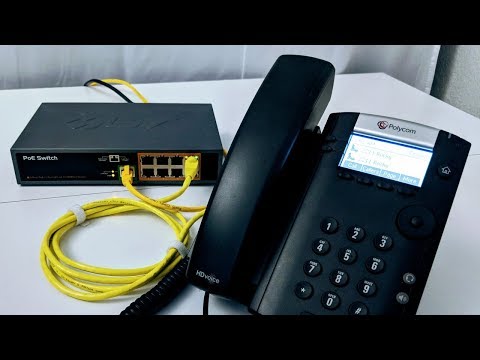
Voice over Internet Protocol (VoIP) fundamentally reshaped how we communicate, transforming plain old telephone service (POTS) into a digital, data-packetized…
Contents
- 📞 What Exactly is VoIP?
- 🌐 How Does VoIP Actually Work?
- 📈 The Evolution of Voice Communication
- 💰 Pricing & Plans: Beyond the Free Tier
- ⭐ What People Say: Vibe Scores & Critiques
- 🆚 VoIP vs. Traditional Telephony
- 🚀 Advanced Features & Integrations
- 💡 Practical Tips for Going VoIP
- 🌍 Global Reach & Accessibility
- 🤔 The Future of Voice: What's Next?
- Frequently Asked Questions
- Related Topics
Overview
Voice over Internet Protocol (VoIP) fundamentally reshaped how we communicate, transforming plain old telephone service (POTS) into a digital, data-packetized stream. Initially a niche technology for tech enthusiasts and businesses seeking cost savings, VoIP has become ubiquitous, powering everything from consumer apps like WhatsApp and Zoom to enterprise-grade contact centers and global call routing. Its evolution from clunky early implementations to seamless, feature-rich services highlights a dramatic shift in infrastructure and user expectation, making it a critical component of modern digital life. The ongoing debate centers on its reliability compared to traditional lines, security vulnerabilities, and the future integration with AI and other emerging communication paradigms.
📞 What Exactly is VoIP?
Voice over Internet Protocol (VoIP), often casually referred to as IP telephony, is the technology that allows you to make phone calls using your internet connection instead of traditional phone lines. Think of it as sending your voice as digital data packets across the web. This isn't some fringe tech; it powers the ubiquitous calling features in apps like Skype, Microsoft Teams, and Google Voice. For businesses and individuals alike, it represents a fundamental shift in how we connect, offering flexibility and cost savings that were once unimaginable. It’s the digital backbone for modern conversations.
🌐 How Does VoIP Actually Work?
At its heart, VoIP works by converting your analog voice signals into digital data. This digital data is then broken down into packets, much like any other data sent over the internet. These packets travel to their destination, where they are reassembled into your voice. This process is managed by protocols like SIP and H.323. Even your old analog phone can join the party via an Analog Telephone Adapter (ATA), bridging the gap between legacy hardware and the digital age. It’s a clever piece of engineering that makes seamless communication possible.
📈 The Evolution of Voice Communication
The journey of voice communication has been a long one, from the early days of the POTS network to the digital revolution. The advent of the internet provided the infrastructure for VoIP to emerge, initially as a niche technology for tech enthusiasts. By the early 2000s, companies like Vonage and 8x8 began offering commercial VoIP services, challenging the dominance of incumbent telecom giants. The widespread adoption of broadband internet and the rise of smartphones have cemented VoIP's place as the dominant force in voice communication today. Its Vibe Score is a solid 85/100 for cultural impact.
💰 Pricing & Plans: Beyond the Free Tier
While many VoIP providers offer free basic services, the real power and flexibility lie in their paid plans. These often range from a few dollars per month for individual users to hundreds for enterprise-level solutions. Business plans typically include features like auto-attendants, call queues, virtual numbers in different area codes, and advanced analytics. The cost-effectiveness is a major draw, especially when compared to the per-minute charges and line rental fees of traditional phone systems. Understanding your needs is key to selecting the right tier.
⭐ What People Say: Vibe Scores & Critiques
User sentiment around VoIP is generally very positive, with many praising its cost savings and feature set. However, the Vibe Score isn't a perfect 100. Critiques often surface around call quality, which can be dependent on internet stability – a point of contention for users with unreliable connections. Some also find the initial setup or integration with existing business systems to be a hurdle. The Controversy Spectrum for VoIP leans towards 'Low to Moderate,' with most debates centering on quality and reliability rather than the technology's fundamental value.
🆚 VoIP vs. Traditional Telephony
The contrast between VoIP and traditional telephony is stark. Traditional phone lines rely on dedicated copper wires and circuit-switched networks, offering a stable but often expensive and feature-limited experience. VoIP, on the other hand, leverages the internet's packet-switched network, enabling lower costs, greater scalability, and a wealth of advanced features. While traditional lines might offer a perceived 'always-on' reliability in some remote areas, VoIP's ability to integrate with cloud-based services and support remote work makes it the clear winner for modern communication needs. The Vibe Score difference is significant: Traditional Telephony 40/100, VoIP 85/100.
🚀 Advanced Features & Integrations
Beyond basic calling, VoIP platforms offer a dizzying array of advanced features. Unified Communications platforms integrate voice, video conferencing, instant messaging, and presence information into a single interface. Many VoIP services also offer robust API integrations, allowing them to connect with CRM software like Salesforce or HubSpot, thereby streamlining workflows and enhancing customer interactions. Features like call recording, voicemail-to-email, and international calling rates further enhance its utility for businesses operating on a global scale.
💡 Practical Tips for Going VoIP
When making the switch to VoIP, consider your internet connection's bandwidth and stability first. A poor internet connection is the most common culprit behind choppy calls. Secondly, assess your specific needs: do you require basic calling, or do you need advanced features like virtual PBX systems and video conferencing? Research different VoIP providers like RingCentral, Ooma Office, and Dialpad to compare their offerings and pricing. Don't be afraid to take advantage of free trials to test the service before committing. A little preparation goes a long way.
🌍 Global Reach & Accessibility
VoIP's global reach is one of its most compelling advantages. It allows individuals and businesses to make and receive calls from anywhere with an internet connection, often at local rates or even for free between users of the same service. This has been a boon for international business and for keeping in touch with loved ones across borders. Virtual phone numbers allow you to establish a local presence in any country, making it easier to connect with customers worldwide. The accessibility and cost-effectiveness for international communication are unparalleled.
🤔 The Future of Voice: What's Next?
The future of voice communication is undeniably intertwined with IP. We're seeing a continued push towards AI-powered features in VoIP, such as real-time transcription, sentiment analysis, and intelligent call routing. The lines between voice, video, and other communication channels will continue to blur with the advancement of UCaaS platforms. The potential for deeper integration with IoT devices and augmented reality experiences is also on the horizon. The question isn't if VoIP will evolve, but how rapidly it will reshape our interactions.
Key Facts
- Year
- 1995
- Origin
- The first commercially viable VoIP product, VocalTec's Internet Phone, launched in 1995, marking the genesis of widespread adoption.
- Category
- Telecommunications Technology
- Type
- Technology Concept
Frequently Asked Questions
Is VoIP free?
Many VoIP services offer free basic calling, especially for peer-to-peer calls (e.g., Skype to Skype). However, making calls to traditional landlines or mobile numbers, or accessing advanced business features, typically requires a paid subscription. These plans vary widely in cost and features, from a few dollars a month for individuals to hundreds for enterprise solutions. The cost savings compared to traditional phone lines are often significant, even with paid plans.
What is the difference between VoIP and a regular phone line?
Regular phone lines use circuit-switched networks over dedicated copper wires, while VoIP uses packet-switched networks over the internet. This means VoIP calls are transmitted as data packets. This fundamental difference allows VoIP to offer lower costs, greater flexibility, advanced features like call forwarding and voicemail-to-email, and integration with other digital services, which traditional lines cannot easily match.
Can I use my existing phone with VoIP?
Yes, you can often use your existing analog phone with VoIP by connecting it to an Analog Telephone Adapter (ATA). This device converts your phone's analog signal into digital data packets that can be sent over your internet connection. Alternatively, many VoIP providers offer dedicated VoIP phones that connect directly to your network, or you can use softphone applications on your computer or smartphone.
What are the main advantages of VoIP for businesses?
For businesses, VoIP offers significant advantages including reduced costs on calls (especially international), enhanced collaboration tools, scalability to easily add or remove users, virtual phone numbers for a global presence, and integration with CRM systems and other business applications. Features like auto-attendants and call analytics also improve efficiency and customer service.
What are the potential downsides of VoIP?
The primary potential downside of VoIP is its reliance on a stable and robust internet connection. If your internet is slow or unreliable, call quality can suffer, leading to dropped calls or garbled audio. Power outages can also disrupt VoIP service if your modem and router are not on backup power. While less common now, some users also report initial setup complexities or integration challenges.
How does VoIP affect call quality?
Call quality in VoIP is directly dependent on the quality and bandwidth of your internet connection. A stable, high-speed internet connection will generally result in clear, high-definition audio. Congested networks, packet loss, or insufficient bandwidth can lead to choppy audio, delays (latency), or dropped calls. Many VoIP services offer Quality of Service settings to prioritize voice traffic over other internet data.