Vegetarian Recipes | Vibepedia
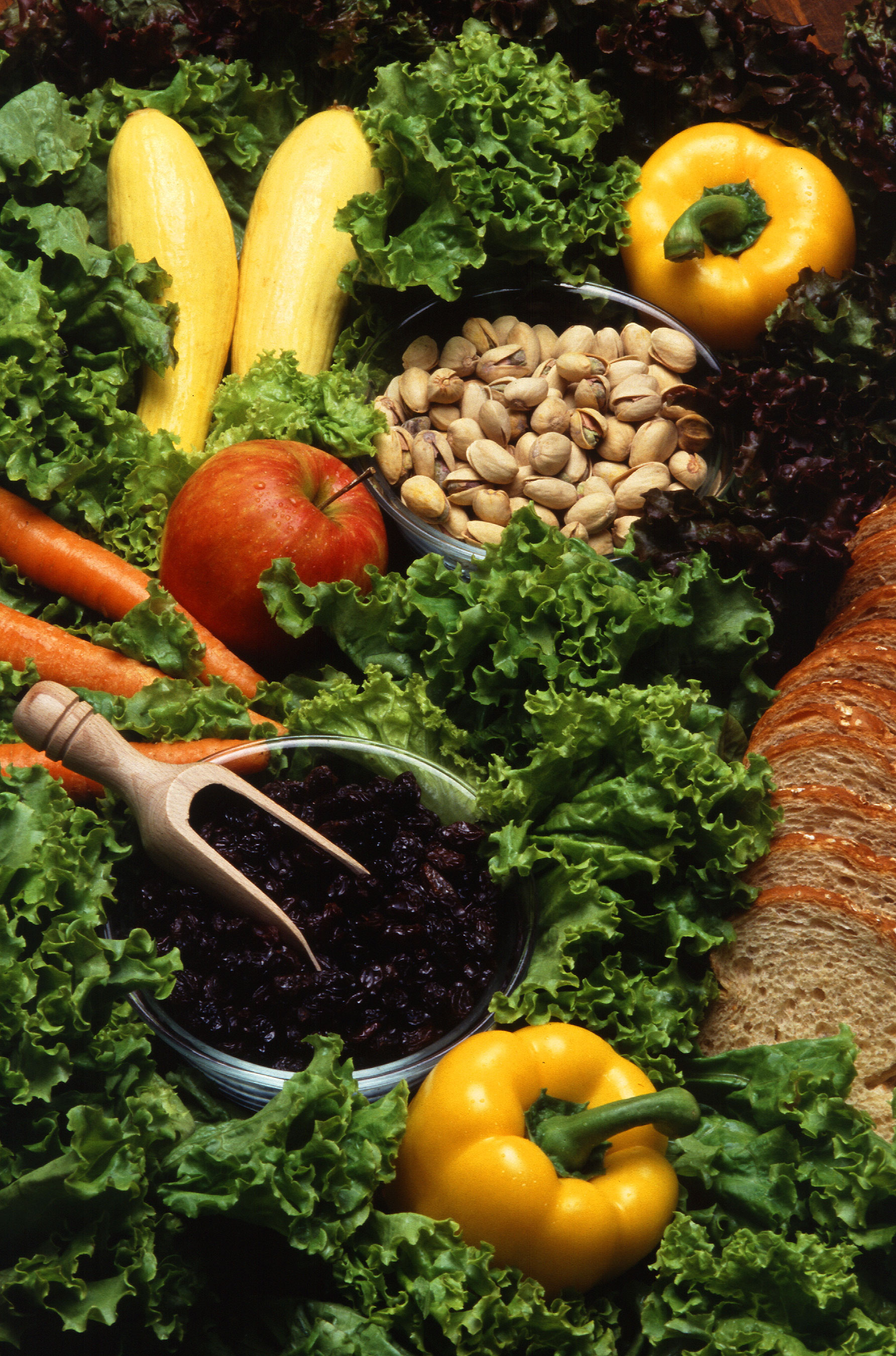
Vegetarian recipes form the backbone of a global culinary tradition that eschews animal flesh, focusing instead on the vibrant spectrum of grains, legumes…
Contents
Overview
Vegetarian recipes form the backbone of a global culinary tradition that eschews animal flesh, focusing instead on the vibrant spectrum of grains, legumes, nuts, seeds, fruits, and vegetables. This approach to cooking, far from being monolithic, encompasses a vast array of techniques and flavor profiles, from the ancient grains of the Mediterranean to the complex spice blends of Indian lentil dishes. While fundamentally defined by the absence of meat, vegetarian cuisine's richness lies in its diversity, offering everything from hearty stews and robust curries to delicate salads and innovative plant-based proteins. These recipes are not merely substitutes but celebrated culinary creations in their own right, driving innovation in food technology and sustainable eating practices.
🎵 Origins & History
The roots of vegetarian cooking stretch back millennia, deeply entwined with religious and philosophical movements. Ancient India, particularly through Jainism, Buddhism, and Hinduism, championed ahimsa (non-violence) which naturally led to dietary restrictions against harming animals. Pythagorean philosophy in ancient Greece also promoted a meatless diet, though its influence was less enduring than its Eastern counterparts. The modern vegetarian movement gained significant traction in the 19th century. Early proponents linked diet to moral and physical well-being, laying groundwork for later health-focused vegetarianism.
⚙️ How It Works
At its core, vegetarian recipe development involves understanding the functional properties of plant-based ingredients and how they can replicate or offer unique alternatives to animal products. This includes mastering techniques for cooking legumes to achieve tender textures, coaxing umami from mushrooms and fermented foods like tempeh and miso, and creating satisfying textures with grains like quinoa and farro. Binding agents such as flax egg (ground flaxseed mixed with water) or chia seed pudding are crucial for baking, while nuts and seeds provide richness and healthy fats. The goal is to balance flavors, textures, and nutritional profiles, ensuring meals are not only meat-free but also complete and appealing, often drawing inspiration from global cuisines that have long relied on plant-based staples.
📊 Key Facts & Numbers
The global vegetarian food market is a significant economic force. The demand for meat alternatives, a key component of modern vegetarian recipes, surged significantly between 2019 and 2022, according to data from Nielsen Holdings. The average American household spends approximately $1,500 annually on groceries, and a growing portion of this is allocated to plant-based and vegetarian items.
👥 Key People & Organizations
Numerous individuals and organizations have shaped the landscape of vegetarian recipes. Anna Jones, a British chef and author, has popularized modern, accessible vegetarian cooking with books like "A Modern Way to Eat." In India, Meera Sodha, a Guardian columnist and cookbook author, has brought contemporary Indian vegetarian dishes to a global audience. Organizations like The Humane League and PETA (People for the Ethical Treatment of Animals) promote plant-based diets for ethical reasons, often through public campaigns and recipe sharing. Chefs like Alice Waters, while not exclusively vegetarian, have championed seasonal, vegetable-forward cooking that influences many vegetarian chefs.
🌍 Cultural Impact & Influence
Vegetarian recipes have profoundly influenced global cuisine, health consciousness, and environmental awareness. The rise of vegetarianism has spurred innovation in food processing, leading to the development of sophisticated meat substitutes like Beyond Meat and Impossible Foods, which have entered mainstream supermarkets and fast-food chains like Burger King. This culinary shift also reflects a growing concern for the environmental impact of animal agriculture, with studies from institutions like the University of Oxford suggesting that reducing meat consumption can significantly lower an individual's carbon footprint. Furthermore, vegetarian cooking has become a cornerstone of wellness movements, featured prominently in publications like Bon Appétit and Food & Wine.
⚡ Current State & Latest Developments
The current culinary scene is witnessing an explosion of creativity in vegetarian recipes, moving beyond simple substitutions to celebrated dishes. Chefs are increasingly focusing on whole-food, plant-based approaches, emphasizing natural flavors and textures. The influence of global cuisines, particularly from Southeast Asia, Africa, and Latin America, is more pronounced than ever, with ingredients like jackfruit, plantains, and diverse legumes taking center stage. Food technology continues to advance, with new plant-based proteins and dairy alternatives entering the market regularly, offering consumers more choices. The rise of "flexitarianism" also means that vegetarian recipes are being adopted by a broader audience seeking to reduce meat intake without full commitment, driving demand for versatile and flavorful meat-free options.
🤔 Controversies & Debates
The primary debate surrounding vegetarian recipes often centers on nutritional completeness, particularly regarding Vitamin B12, iron, and omega-3 fatty acids. While well-planned vegetarian diets can be perfectly healthy, critics sometimes question whether individuals can obtain all necessary nutrients without supplementation or careful planning, especially for children and pregnant women. Another point of contention is the environmental impact of certain vegetarian staples; for instance, the water footprint of almonds or the land use for soy cultivation can be significant. Furthermore, the "naturalness" of highly processed meat alternatives is debated, with some arguing they are not inherently healthier than traditional vegetarian staples like beans and lentils. The ethical arguments for vegetarianism, while widely accepted by proponents, remain a point of philosophical disagreement for others.
🔮 Future Outlook & Predictions
The future of vegetarian recipes is poised for continued innovation and mainstream integration. We can expect further advancements in plant-based protein technology, creating more convincing and versatile meat analogues. Expect a greater emphasis on fermentation and ancient grains, bringing lesser-known ingredients and techniques to the forefront. The fusion of global flavors will likely intensify, with chefs creating entirely new vegetarian dishes inspired by diverse culinary traditions. As climate change concerns grow, vegetarian and vegan diets will become increasingly central to discussions on sustainable food systems, potentially leading to policy shifts and greater support for plant-based agriculture. The culinary world will likely see more Michelin-starred restaurants dedicating significant portions of their menus to sophisticated vegetarian creations, further elevating its status.
💡 Practical Applications
Vegetarian recipes have myriad practical applications, from everyday home cooking to high-end restaurant menus. They are fundamental to Jain cuisine, Buddhist cuisine, and many forms of Hindu cuisine. In health and wellness, they form the basis of diets recommended for managing conditions like heart disease and diabetes. For individuals seeking to reduce their environmental footprint, adopting vegetarian recipes is one of the most impactful lifestyle changes. Culinary schools are increasingly incorporating comprehensive vegetarian modules into their curricula, training chefs to cater to this growing demand. Furthermore, the development of plant-based ingredients has opened doors for new product categories in the food industry, from dairy-free cheeses to egg substitutes, all driven by the principles of vegetarian cooking.
Key Facts
- Category
- culture
- Type
- topic