Uncultivated Plant Species | Vibepedia
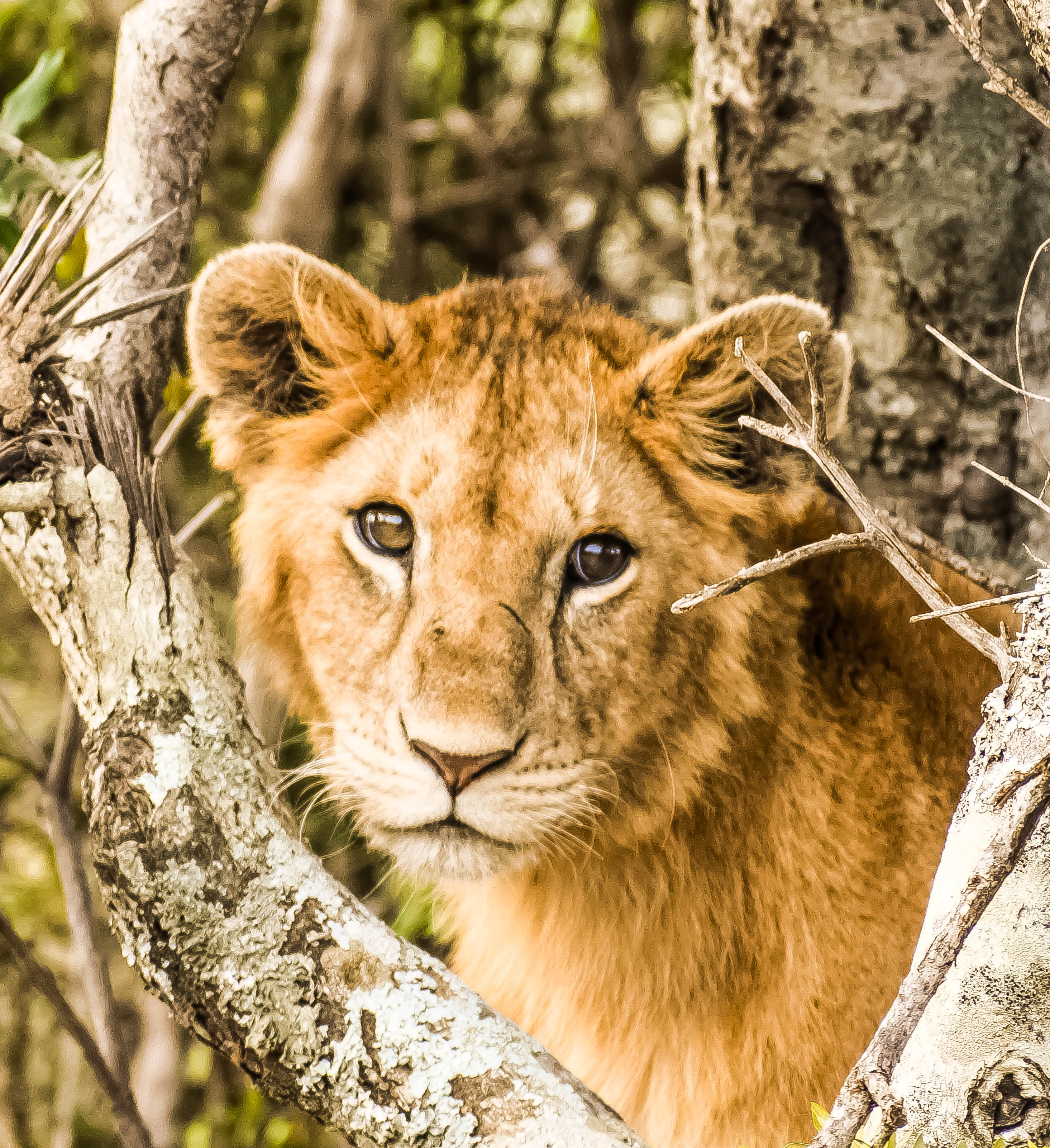
Uncultivated plant species, often termed wild flora, encompass all plants that grow and reproduce without direct human intervention or cultivation. These…
Contents
Overview
Uncultivated plant species, often termed wild flora, encompass all plants that grow and reproduce without direct human intervention or cultivation. These species form the foundational biomass of natural ecosystems, providing habitat, food, and ecological services that support a vast array of other life forms. From ancient forests to ephemeral desert blooms, their genetic diversity represents a critical reservoir for ecological resilience and potential future resources, including novel medicines and resilient crop varieties. Despite their vital role, many uncultivated species face threats from habitat destruction, climate change, and invasive species, highlighting the urgent need for their conservation and understanding. Their study is crucial not only for ecological science but also for appreciating the deep historical relationship between humanity and the plant kingdom, predating agriculture by millennia.
🎵 Origins & History
The lineage of uncultivated plant species stretches back billions of years, long before the advent of agriculture or even Homo sapiens. For millennia, human societies lived in direct dependence on these wild resources, gathering fruits, nuts, and medicinal herbs, a practice that laid the groundwork for eventual domestication. The transition to agriculture began in regions like the Fertile Crescent, marking a significant shift, but uncultivated species continued to thrive in natural habitats, often serving as genetic backbones for domesticated varieties through processes like hybridization and gene flow.
⚙️ Defining 'Uncultivated'
Defining 'uncultivated' is more nuanced than it first appears, often hinging on the degree and intent of human interaction. At its core, it refers to plants that exist and reproduce independently of human cultivation, meaning they are not sown, managed, or selectively bred for specific human purposes. This contrasts sharply with domesticated plants, such as wheat or corn, which have undergone significant genetic changes through artificial selection. However, the line can blur. Ruderal species, for instance, thrive in disturbed human environments like roadsides or abandoned fields, benefiting from human activity without being directly managed. Furthermore, many wild relatives of crops, like wild wheat, are uncultivated but are crucial for breeding programs aimed at improving domesticated strains. The term also encompasses plants in pristine wilderness areas, untouched by modern human development, as well as those that have naturalized in new regions after escaping cultivation, becoming part of the wild flora.
📊 Diversity & Scale
The sheer diversity of uncultivated plant species globally is staggering. These species occupy every conceivable terrestrial and aquatic niche, from the frigid tundra of Siberia to the scorching deserts of Namibia, and the deepest rainforests of the Amazon Basin. The Vavilov Institute in St. Petersburg, Russia, houses one of the world's largest collections of plant genetic resources, including countless wild relatives of staple crops. Biodiversity hotspots, such as the Cape Floristic Region in South Africa, harbor an exceptionally high concentration of endemic uncultivated species, many of which are found nowhere else on Earth. The ongoing discovery of new species, particularly in remote tropical regions, suggests this number may be significantly higher.
👥 Key Players in Study & Conservation
The study and conservation of uncultivated plant species involve a broad spectrum of individuals and organizations. Botanists and ecologists, such as Peter Raven, former president of the Missouri Botanical Garden, have dedicated careers to documenting and understanding plant diversity. Organizations like the Royal Botanic Gardens, Kew in London, with its Millennium Seed Bank Partnership, are at the forefront of ex-situ conservation, aiming to safeguard seeds. The IUCN maintains the Red List of Threatened Species, which includes thousands of uncultivated plants facing extinction. Indigenous communities worldwide also play a critical role, possessing invaluable traditional ecological knowledge about the uses and management of local wild flora, knowledge often passed down through generations and crucial for conservation efforts.
🌍 Ecological Significance
Uncultivated plant species are the bedrock of terrestrial ecosystems, performing indispensable ecological functions. They are primary producers, converting sunlight into energy through photosynthesis, forming the base of most food webs. For instance, oak trees in temperate forests provide acorns that sustain populations of squirrels, deer, and birds, while their leaves decompose to enrich the soil. Wild plants also play vital roles in nutrient cycling, soil stabilization, and water regulation. The root systems of uncultivated grasses on the Great Plains prevent soil erosion, and the dense vegetation in mangrove forests protects coastlines from storm surges. Furthermore, they are crucial for maintaining biodiversity by providing habitat and food for countless insects, birds, mammals, and other organisms. The intricate relationships between uncultivated plants and their associated fauna, such as the specialized pollination of certain orchids by specific insects, highlight the delicate balance of natural systems.
⚡ Threats & Current Status
Many uncultivated plant species are currently facing unprecedented threats, leading to alarming rates of decline and extinction. Habitat destruction, driven by agriculture, urbanization, and resource extraction, remains the primary driver of loss. For example, the expansion of palm oil plantations in Southeast Asia has decimated habitats for numerous endemic plant species. Climate change exacerbates these pressures, altering temperature and precipitation patterns, leading to shifts in species distribution and increased vulnerability to diseases and pests. Invasive species, often introduced by human activity, can outcompete native uncultivated flora, disrupting local ecosystems. The Global Biodiversity Information Facility tracks millions of specimen records, many of which highlight declining populations of wild species.
🤔 Debates in Classification & Value
The value assigned to uncultivated plant species is a subject of ongoing debate, particularly when weighed against economic development. While scientists and conservationists emphasize their intrinsic ecological and genetic value, some industries view them as obstacles to land use. A key debate revolves around the concept of 'weeds' – plants often labeled as undesirable in agricultural or urban settings, yet which may possess significant ecological roles or genetic potential. Another controversy concerns bioprospecting: the search for valuable compounds in wild plants for pharmaceutical or commercial use. Critics argue that such practices can lead to over-exploitation and inequitable benefit-sharing, while proponents highlight the potential for life-saving discoveries. The legal status of wild plants, particularly in relation to intellectual property rights and Nagoya Protocol on access and benefit-sharing, remains a complex and contentious issue.
🔮 Future Prospects
The future of uncultivated plant species hinges on a delicate balance between conservation efforts and the pressures of human development. Advances in genomics and biotechnology offer new tools for understanding and conserving wild flora, enabling the identification of genes for drought resistance or disease immunity that could be crucial for future agriculture. Ex-situ conservation efforts, like seed banks and botanical gardens, will likely become even more critical as climate change impacts habitats. However, the scale of habitat loss and climate change presents formidable challenges. Projections suggest that a significant percentage of plant species could face extinction by the end of the century if current trends continue. The success of ini
Key Facts
- Category
- nature
- Type
- topic