Trojan War | Vibepedia
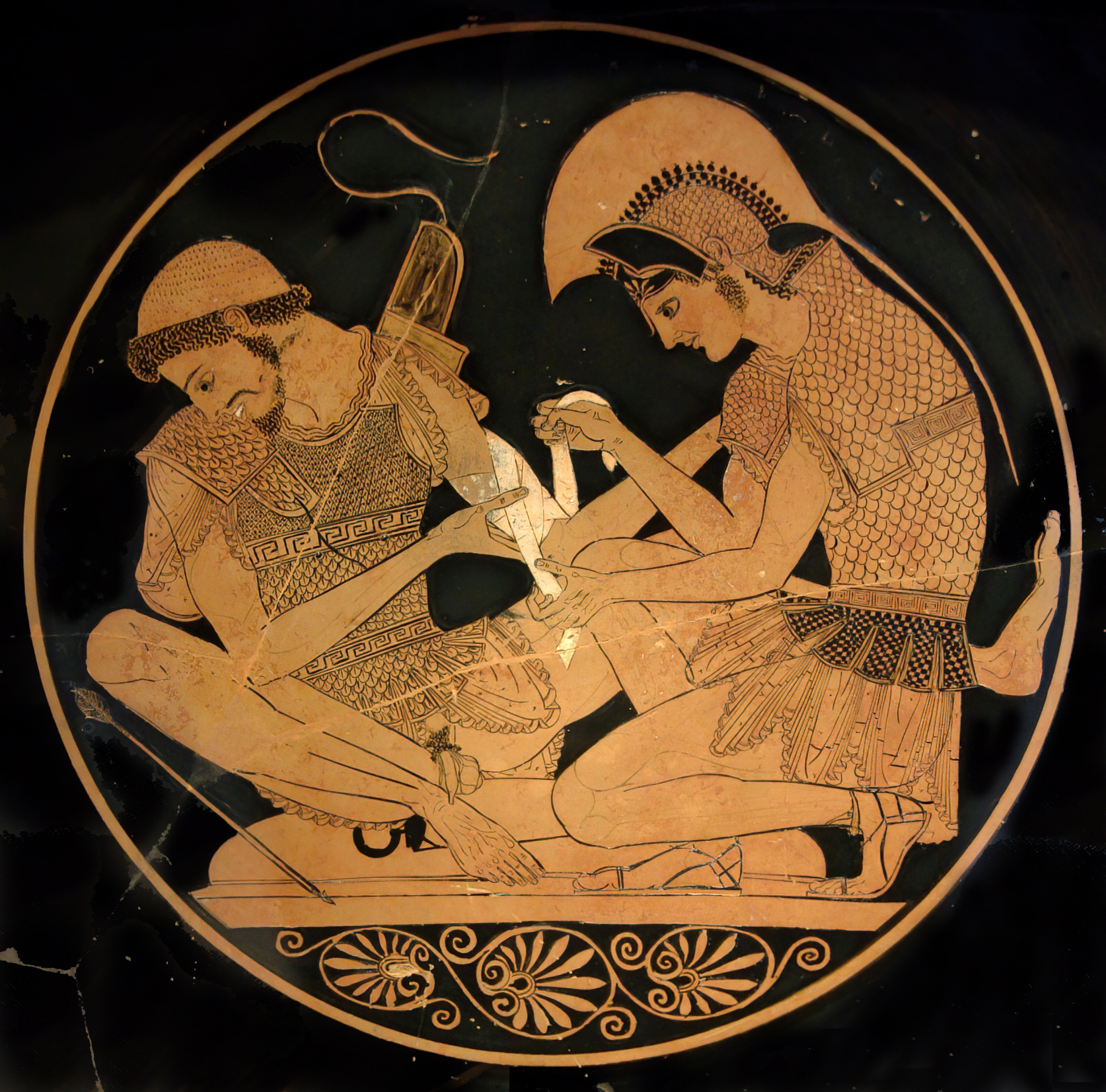
The Trojan War, a cornerstone of Western literature and mythology, chronicles a legendary decade-long siege of the city of Troy by the Achaeans (Greeks)…
Contents
- 🎵 Origins & History
- ⚙️ How It Works
- 📊 Key Facts & Numbers
- 👥 Key People & Organizations
- 🌍 Cultural Impact & Influence
- ⚡ Current State & Latest Developments
- 🤔 Controversies & Debates
- 🔮 Future Outlook & Predictions
- 💡 Practical Applications
- 📚 Related Topics & Deeper Reading
- Frequently Asked Questions
- References
- Related Topics
Overview
The Trojan War, a cornerstone of Western literature and mythology, chronicles a legendary decade-long siege of the city of Troy by the Achaeans (Greeks). Sparked by the abduction of Helen, wife of Spartan King Menelaus, by Trojan Prince Paris, this conflict has been immortalized in epic poems, most famously Homer's Iliad and Odyssey. While its historicity remains debated, the war's narrative has profoundly shaped art, literature, and our understanding of ancient heroic ideals, with its echoes resonating from classical antiquity through to modern interpretations. The conflict's scale, involving legendary heroes like Achilles, Hector, and Odysseus, and culminating in the iconic Trojan Horse stratagem, continues to captivate imaginations, cementing its status as a foundational myth of Western civilization.
🎵 Origins & History
The narrative of the Trojan War, a pivotal event in Greek mythology, is traditionally placed around the late Bronze Age, with most scholars dating it to the 12th or 13th century BC. Its origins are deeply rooted in divine intervention and human ambition, famously beginning with the Judgement of Paris, where the prince of Troy awarded a golden apple inscribed "to the fairest" to Aphrodite, who had promised him the most beautiful woman in the world. This led to Paris abducting Helen, wife of Menelaus, the king of Sparta, thus igniting the wrath of the Achaeans. The ensuing expedition, a massive undertaking involving over a thousand ships and a coalition of Greek kingdoms, aimed to reclaim Helen and punish Troy for its transgression, as detailed in the Epic Cycle of poems.
⚙️ How It Works
The 'mechanics' of the Trojan War, as depicted in ancient texts, involved a protracted siege rather than a single decisive battle. For ten years, the Achaean forces encamped outside the formidable walls of Troy, engaging in skirmishes, raids, and duels between their champions. The Iliad focuses on a critical period in the tenth year, detailing the wrath of Achilles and its devastating consequences for the Achaean army, highlighting the complex interplay of honor, fate, and divine will. The war's conclusion is famously attributed to the cunning of Odysseus, who devised the strategy of the Trojan Horse, a massive wooden equine structure used to infiltrate the city and bring about its downfall.
📊 Key Facts & Numbers
While the precise historical accuracy of the Trojan War is debated, archaeological evidence from Hisarlik in modern-day Turkey, widely believed to be the site of ancient Troy, suggests a city that experienced significant destruction around the period of the conflict. The Iliad itself estimates the Achaean fleet at 1,186 ships, carrying tens of thousands of warriors, a testament to the war's perceived scale. The war is said to have lasted for ten years, resulting in the deaths of countless heroes on both sides, including the mighty Hector of Troy and the near-invincible Achilles of Greece, whose only vulnerable spot was his heel. The estimated death toll, though unquantifiable, would have been immense for the era.
👥 Key People & Organizations
The war's central figures are legendary heroes and deities. On the Achaean side, key figures include Agamemnon, the commander-in-chief and king of Mycenae; Menelaus, king of Sparta; Odysseus, the cunning king of Ithaca; and the peerless warrior Achilles. For Troy, the valiant prince Hector, son of King Priam, stands as the city's greatest defender, alongside his brother Paris, whose actions initiated the conflict. The gods of Mount Olympus, such as Zeus, Hera, Athena, and Apollo, frequently intervened, taking sides and influencing the war's course.
🌍 Cultural Impact & Influence
The cultural impact of the Trojan War is immeasurable, forming the bedrock of Western literature and art for over two millennia. Homer's epics, the Iliad and Odyssey, have been studied, translated, and adapted countless times, influencing genres from epic poetry to modern novels and films. The war's themes of heroism, fate, glory, and the tragedy of war have been explored by playwrights like Euripides and Sophocles, and poets like Virgil in his Aeneid. The archetypal narrative of the Trojan Horse has become a metaphor for deception and infiltration, permeating computer security and strategic thinking.
⚡ Current State & Latest Developments
In contemporary times, the Trojan War continues to be a fertile ground for scholarly debate and popular fascination. Archaeological excavations at Hisarlik by teams led by Wilhelm Dörpfeld and Manfred Korfmann have provided compelling evidence for a fortified Bronze Age city at the site, fueling discussions about the war's potential historical basis. Modern retellings in novels like Madeline Miller's The Song of Achilles and films such as Wolfgang Petersen's Troy (2004) demonstrate the enduring appeal of these ancient stories, reinterpreting them for new audiences and sparking renewed interest in the Bronze Age Mediterranean.
🤔 Controversies & Debates
The primary controversy surrounding the Trojan War is its historicity. While ancient Greeks largely accepted it as a factual event, modern scholarship leans towards it being a foundational myth, a composite of various conflicts and oral traditions rather than a single, precisely documented war. Skeptics point to the lack of definitive archaeological proof of a war on the scale described by Homer, while proponents highlight the consistent location of Troy at Hisarlik and evidence of destruction layers. The role of the gods also presents a challenge to historical interpretation, leading to debates about whether the myths reflect early religious beliefs or are purely literary embellishments.
🔮 Future Outlook & Predictions
The future of Trojan War studies likely involves continued archaeological exploration at Hisarlik and related Bronze Age sites, potentially uncovering more evidence to inform the debate on its historicity. Advances in archaeological techniques, such as LIDAR scanning and advanced material analysis, may reveal new insights into the scale and nature of settlements and conflicts in the region. Furthermore, the ongoing adaptation of the Trojan War narrative in popular culture, from video games to television series, suggests its themes will continue to be re-examined and reinterpreted, ensuring its relevance for generations to come.
💡 Practical Applications
The narrative of the Trojan War has found practical applications in various fields, most notably in military strategy and computer security. The Trojan Horse stratagem, a classic example of deception and infiltration, is studied in military academies and serves as a direct analogy for malware in cybersecurity. The concept of a protracted siege also offers lessons in logistics, endurance, and psychological warfare. Beyond strategy, the war's themes of leadership, sacrifice, and the consequences of conflict are frequently used in leadership training and ethics discussions.
Key Facts
- Year
- circa 13th century BC
- Origin
- Ancient Greece
- Category
- history
- Type
- event
Frequently Asked Questions
Was the Trojan War a real historical event?
The historicity of the Trojan War remains a subject of intense debate among scholars. While ancient Greeks widely believed it to be a factual event, modern consensus leans towards it being a foundational myth, possibly inspired by real Bronze Age conflicts. Archaeological evidence at Hisarlik, the traditional site of Troy, shows layers of destruction consistent with warfare, but definitive proof of a single, epic war as described by Homer is lacking. The narrative likely evolved from oral traditions, blending historical memories with mythological elements and divine intervention, making it difficult to separate fact from fiction.
Who were the main combatants in the Trojan War?
The primary combatants were the Achaeans (often referred to as Greeks in later traditions) and the city of Troy, along with its allies. The Achaean forces were a coalition of various Greek kingdoms, led by Agamemnon, the king of Mycenae. Notable Achaean heroes included Achilles, Odysseus, and Ajax. The defenders of Troy were led by King Priam, with his sons Hector and Paris being their most prominent warriors. The gods of Mount Olympus also played significant roles, often intervening on behalf of one side or the other.
What was the cause of the Trojan War?
The most famous cause of the Trojan War, as recounted in myth, was the abduction of Helen, the wife of Menelaus, king of Sparta, by Paris, a prince of Troy. This act was seen as a grave insult and a violation of hospitality, prompting Menelaus and his brother Agamemnon to rally the Achaean forces to sail to Troy, reclaim Helen, and exact retribution. The mythological backstory involves the Judgement of Paris, where Paris chose Aphrodite as the fairest goddess in exchange for the love of Helen.
How did the Trojan War end?
According to the epic traditions, the Trojan War ended after a ten-year siege with the fall of Troy. The Achaeans, unable to breach the city's formidable walls through conventional warfare, resorted to a stratagem devised by Odysseus. The Greeks built a massive wooden horse, the Trojan Horse, and pretended to sail away, leaving the horse as a supposed offering. The Trojans, deceived, brought the horse into their city, unaware that it concealed Greek soldiers. These soldiers emerged at night, opened the gates for the returning Achaean army, leading to the sack and destruction of Troy.
What is the significance of the Trojan War in literature and culture?
The Trojan War is arguably the most significant event in Greek mythology and has had a profound and lasting impact on Western literature, art, and culture. Homer's Iliad and Odyssey are foundational texts, exploring themes of heroism, honor, fate, wrath, and the human cost of war. The war's characters and narratives have been continuously reinterpreted through millennia by poets, playwrights, artists, and filmmakers, from Virgil's Aeneid to modern novels and films, making it a perennial source of inspiration and a touchstone for understanding human nature and conflict.
Where is the site of ancient Troy located?
The archaeological site traditionally identified as ancient Troy is located at Hisarlik, in northwestern Turkey, near the Dardanelles strait. Excavations at Hisarlik, beginning in the 19th century with Heinrich Schliemann and continued by archaeologists like Wilhelm Dörpfeld and Manfred Korfmann, have revealed multiple layers of settlement dating back to the Bronze Age. While the exact identification of each layer with the Troy of Homeric legend is debated, Hisarlik remains the most compelling candidate for the city described in the epics.
What lessons can be learned from the Trojan War?
The Trojan War offers enduring lessons on the destructive nature of pride, ambition, and revenge, as well as the complexities of honor and duty. The story highlights the devastating consequences of conflict, not only for the warriors but also for the civilian population and the fabric of society. The Trojan Horse serves as a timeless parable about the dangers of deception and the importance of critical assessment. Furthermore, the narratives of heroes like Achilles and Hector explore the tension between personal glory and civic responsibility, and the tragic inevitability of fate.