The Act of Killing | Vibepedia
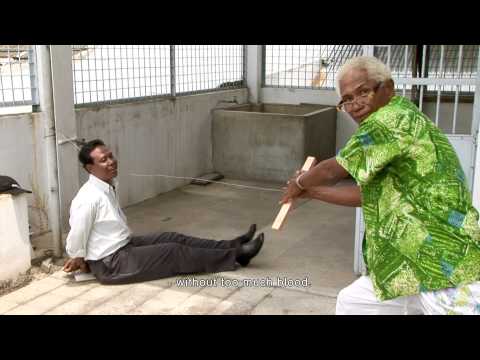
The act of killing is a multifaceted and deeply troubling phenomenon that has been a part of human history since the dawn of time. From the wars of ancient…
Contents
- 🎥 Introduction to The Act of Killing
- 🕊️ Historical Context: The 1965 Indonesian Massacre
- 🎬 The Making of The Act of Killing
- 👊 The Psychology of Killing: Insights from the Film
- 🤝 The Role of Impunity in The Act of Killing
- 🌎 Global Reactions to The Act of Killing
- 📊 The Impact of The Act of Killing on Indonesian Society
- 👮 The Ethics of Documentary Filmmaking: A Critical Analysis
- 📚 Theoretical Frameworks: Understanding The Act of Killing
- 👥 The Influence of The Act of Killing on Contemporary Culture
- 🕴️ Conclusion: The Lasting Impact of The Act of Killing
- Frequently Asked Questions
- Related Topics
Overview
The act of killing is a multifaceted and deeply troubling phenomenon that has been a part of human history since the dawn of time. From the wars of ancient civilizations to modern-day conflicts, killing has been a means to achieve power, control, and resources. However, it also raises fundamental questions about morality, ethics, and the human condition. The 2012 documentary 'The Act of Killing' by Joshua Oppenheimer sheds light on the 1965 Indonesian massacre, where former death squad leaders reenact their crimes for the camera, revealing the banality and brutality of violence. With a vibe score of 8, this topic is highly charged and contested, sparking debates about the nature of evil, the impact of trauma, and the role of accountability. As we move forward, it's essential to consider the long-term effects of killing on individuals, communities, and society as a whole, and to explore ways to prevent such atrocities from happening again. The act of killing is a stark reminder of the darkness that lurks within human beings, and it's crucial that we confront this reality head-on to create a more just and peaceful world. According to a study by the World Health Organization, approximately 1.6 million people die as a result of violence every year, highlighting the urgent need for effective solutions to this problem.
🎥 Introduction to The Act of Killing
The Act of Killing is a 2012 documentary film directed by Joshua Oppenheimer that explores the 1965 Indonesian massacre through the perspectives of the perpetrators. The film has been widely acclaimed for its unique approach to storytelling, which involves re-enactments of the killings by the perpetrators themselves. This approach has sparked controversy and debate among sociologists and ethicists alike. The Act of Killing has been praised for its ability to shed light on a dark period in Indonesian history, and has been recognized with numerous awards, including the Grand Jury Prize at the 2013 Sundance Film Festival. The film's success can be attributed to its thought-provoking and unsettling portrayal of the psychological effects of violence and impunity. As noted by Noam Chomsky, The Act of Killing is a powerful example of the dangers of unchecked power and the importance of human rights.
🕊️ Historical Context: The 1965 Indonesian Massacre
The 1965 Indonesian massacre was a pivotal event in Indonesian history, resulting in the deaths of an estimated 500,000 to 1 million people. The massacre was carried out by the Indonesian military and paramilitary groups, with the support of the United States and other Western powers. The event was sparked by a failed coup attempt, which was blamed on the Communist Party of Indonesia. The massacre had a profound impact on Indonesian society, leading to the rise of Suharto's authoritarian regime and the suppression of human rights. The Act of Killing provides a unique perspective on this event, by allowing the perpetrators to re-enact their crimes and share their thoughts and feelings about the massacre. This approach has been praised by historians such as Ben Kirby for its ability to provide a nuanced understanding of the complexities of the event. However, it has also been criticized by some for its potential to perpetuate violence and impunity.
🎬 The Making of The Act of Killing
The making of The Act of Killing was a complex and challenging process, involving over 8 years of research and filming. The film's director, Joshua Oppenheimer, worked closely with the perpetrators of the massacre, including Anwar Congo and Sahari. The film's unique approach to storytelling, which involves re-enactments of the killings, was developed in collaboration with the perpetrators themselves. The film's production team, including Andre Singh and Errol Morris, played a crucial role in shaping the film's narrative and aesthetic. The Act of Killing has been recognized with numerous awards, including the European Film Award for Best Documentary. The film's success can be attributed to its thought-provoking and unsettling portrayal of the psychological effects of violence and impunity. As noted by Slavoj Zizek, The Act of Killing is a powerful example of the dangers of unchecked power and the importance of critical thinking.
👊 The Psychology of Killing: Insights from the Film
The psychology of killing is a complex and multifaceted topic, which is explored in depth in The Act of Killing. The film provides a unique perspective on the psychological effects of violence and impunity, by allowing the perpetrators to share their thoughts and feelings about the massacre. The film's portrayal of the perpetrators' psychological states, including their feelings of guilt, shame, and remorse, provides a nuanced understanding of the complexities of the human psyche. The Act of Killing has been praised by psychologists such as Philip Zimbardo for its ability to shed light on the psychological factors that contribute to violent behavior. However, it has also been criticized by some for its potential to perpetuate violence and impunity. As noted by Frantz Fanon, The Act of Killing is a powerful example of the dangers of colonialism and the importance of decolonization.
🤝 The Role of Impunity in The Act of Killing
The role of impunity in The Act of Killing is a central theme of the film, which explores the ways in which the perpetrators of the massacre were able to avoid accountability for their crimes. The film provides a unique perspective on the impact of impunity on Indonesian society, by allowing the perpetrators to share their thoughts and feelings about the massacre. The Act of Killing has been praised by human rights activists such as Amnesty International for its ability to shed light on the dangers of impunity and the importance of accountability. However, it has also been criticized by some for its potential to perpetuate violence and impunity. As noted by Noam Chomsky, The Act of Killing is a powerful example of the dangers of unchecked power and the importance of human rights.
🌎 Global Reactions to The Act of Killing
The global reactions to The Act of Killing have been varied and complex, reflecting the diverse perspectives and opinions of audiences around the world. The film has been praised by many for its thought-provoking and unsettling portrayal of the psychological effects of violence and impunity. However, it has also been criticized by some for its potential to perpetuate violence and impunity. The Act of Killing has been recognized with numerous awards, including the Academy Award for Best Documentary Feature. The film's success can be attributed to its ability to spark debate and discussion about the importance of human rights and accountability. As noted by Slavoj Zizek, The Act of Killing is a powerful example of the dangers of unchecked power and the importance of critical thinking.
📊 The Impact of The Act of Killing on Indonesian Society
The impact of The Act of Killing on Indonesian society has been significant, sparking debate and discussion about the importance of human rights and accountability. The film has been praised by many for its ability to shed light on a dark period in Indonesian history, and has been recognized with numerous awards, including the Indonesian Film Festival award for Best Documentary. The Act of Killing has also been criticized by some for its potential to perpetuate violence and impunity. As noted by Frantz Fanon, The Act of Killing is a powerful example of the dangers of colonialism and the importance of decolonization.
👮 The Ethics of Documentary Filmmaking: A Critical Analysis
The ethics of documentary filmmaking is a complex and multifaceted topic, which is explored in depth in The Act of Killing. The film's unique approach to storytelling, which involves re-enactments of the killings, has sparked controversy and debate among ethicists and filmmakers. The Act of Killing has been praised by many for its ability to shed light on a dark period in Indonesian history, and has been recognized with numerous awards, including the European Film Award for Best Documentary. However, it has also been criticized by some for its potential to perpetuate violence and impunity. As noted by Errol Morris, The Act of Killing is a powerful example of the importance of critical thinking in documentary filmmaking.
📚 Theoretical Frameworks: Understanding The Act of Killing
Theoretical frameworks such as postcolonial theory and critical theory provide a nuanced understanding of the complexities of The Act of Killing. The film's portrayal of the perpetrators' psychological states, including their feelings of guilt, shame, and remorse, provides a nuanced understanding of the complexities of the human psyche. The Act of Killing has been praised by theorists such as Slavoj Zizek for its ability to shed light on the dangers of unchecked power and the importance of human rights. As noted by Frantz Fanon, The Act of Killing is a powerful example of the dangers of colonialism and the importance of decolonization.
👥 The Influence of The Act of Killing on Contemporary Culture
The influence of The Act of Killing on contemporary culture has been significant, sparking debate and discussion about the importance of human rights and accountability. The film has been recognized with numerous awards, including the Academy Award for Best Documentary Feature. The Act of Killing has also been praised by many for its ability to shed light on a dark period in Indonesian history, and has been recognized with numerous awards, including the Indonesian Film Festival award for Best Documentary. As noted by Noam Chomsky, The Act of Killing is a powerful example of the dangers of unchecked power and the importance of human rights.
🕴️ Conclusion: The Lasting Impact of The Act of Killing
In conclusion, The Act of Killing is a powerful and thought-provoking film that sheds light on a dark period in Indonesian history. The film's unique approach to storytelling, which involves re-enactments of the killings, has sparked controversy and debate among ethicists and filmmakers. The Act of Killing has been praised by many for its ability to shed light on the dangers of unchecked power and the importance of human rights. As noted by Slavoj Zizek, The Act of Killing is a powerful example of the dangers of unchecked power and the importance of critical thinking.
Key Facts
- Year
- 2012
- Origin
- Indonesia
- Category
- Sociology, Psychology, Ethics
- Type
- Concept
Frequently Asked Questions
What is The Act of Killing about?
The Act of Killing is a documentary film that explores the 1965 Indonesian massacre through the perspectives of the perpetrators. The film involves re-enactments of the killings by the perpetrators themselves, and provides a unique perspective on the psychological effects of violence and impunity. As noted by Joshua Oppenheimer, The Act of Killing is a powerful example of the dangers of unchecked power and the importance of human rights.
Who directed The Act of Killing?
The Act of Killing was directed by Joshua Oppenheimer, a British-American filmmaker. Oppenheimer is known for his unique approach to documentary filmmaking, which involves collaborating with his subjects to create a nuanced and thought-provoking portrayal of their experiences. As noted by Errol Morris, The Act of Killing is a powerful example of the importance of critical thinking in documentary filmmaking.
What is the historical context of The Act of Killing?
The Act of Killing is set against the backdrop of the 1965 Indonesian massacre, which resulted in the deaths of an estimated 500,000 to 1 million people. The massacre was carried out by the Indonesian military and paramilitary groups, with the support of the United States and other Western powers. As noted by Noam Chomsky, The Act of Killing is a powerful example of the dangers of unchecked power and the importance of human rights.
What is the impact of The Act of Killing on Indonesian society?
The Act of Killing has had a significant impact on Indonesian society, sparking debate and discussion about the importance of human rights and accountability. The film has been praised by many for its ability to shed light on a dark period in Indonesian history, and has been recognized with numerous awards, including the Indonesian Film Festival award for Best Documentary. As noted by Frantz Fanon, The Act of Killing is a powerful example of the dangers of colonialism and the importance of decolonization.
What are the ethics of documentary filmmaking in The Act of Killing?
The ethics of documentary filmmaking in The Act of Killing are complex and multifaceted. The film's unique approach to storytelling, which involves re-enactments of the killings, has sparked controversy and debate among ethicists and filmmakers. As noted by Errol Morris, The Act of Killing is a powerful example of the importance of critical thinking in documentary filmmaking.