Thanksgiving Dinner | Vibepedia
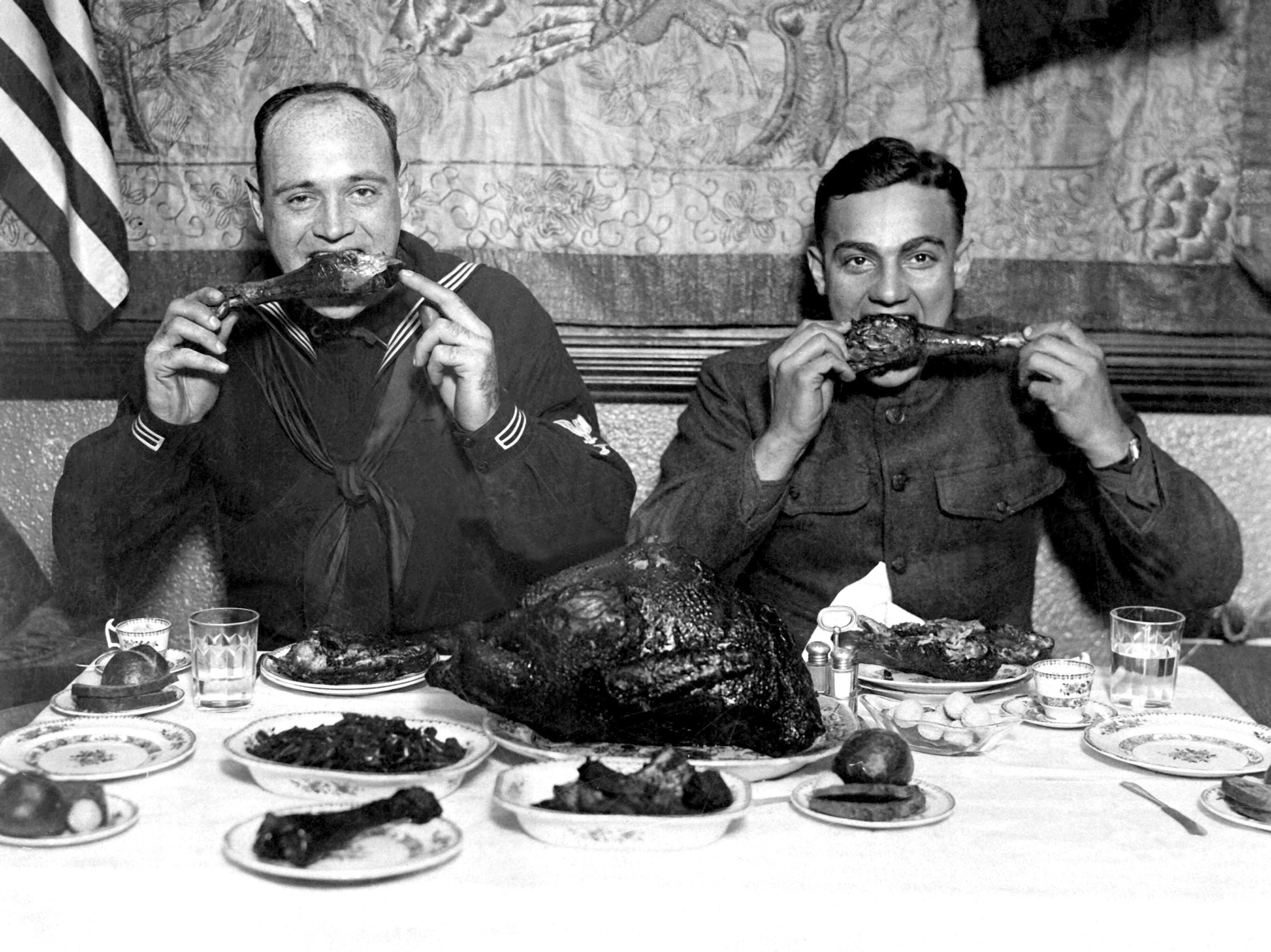
Thanksgiving dinner is the quintessential communal meal marking the harvest festival of Thanksgiving in the United States and Canada. Celebrated as the…
Contents
Overview
Thanksgiving dinner is the quintessential communal meal marking the harvest festival of Thanksgiving in the United States and Canada. Celebrated as the largest eating event in the U.S. by retail food and beverage sales, it's a deeply ingrained cultural ritual. While a roasted turkey is the traditional anchor, the accompanying side dishes offer a vast canvas for regional, familial, and personal expression, ranging from classic stuffing and mashed potatoes to dishes reflecting diverse cultural heritages. This feast is more than just sustenance; it's a focal point for family gatherings, reflection, and the expression of gratitude, often preceded by a prayer or moment of thanks. Its enduring popularity underscores its significance as a cornerstone of holiday traditions, second only to Christmas in American preference.
🎵 Origins & History
The roots of Thanksgiving dinner are entwined with harvest festivals and days of thanksgiving dating back to the 17th century in North America. The modern Thanksgiving holiday was largely popularized by Sarah Josepha Hale, editor of Godey's Lady's Book, who campaigned for decades to establish a national holiday. President Abraham Lincoln finally proclaimed a national Thanksgiving Day in 1863, during the Civil War, setting the fourth Thursday of November as the date. The turkey, initially not the sole focus, gained prominence over time, partly due to its size and availability, becoming the undisputed star by the early 20th century, solidifying its place as the centerpiece of this evolving tradition.
⚙️ How It Works
Thanksgiving dinner operates as a complex, multi-stage culinary event. The preparation often begins days in advance, with tasks like brining the turkey, making cranberry sauce, and baking pies. On the day itself, the main event is typically a large roasted turkey, often stuffed with a bread-based mixture known as stuffing or dressing. This is accompanied by a constellation of side dishes, including mashed potatoes, gravy, sweet potato casserole, green bean casserole, and various vegetable preparations. The meal is traditionally preceded by a prayer or a moment of collective gratitude, a practice echoing the holiday's origins. Dessert typically features pumpkin pie and pecan pie, often served with whipped cream. The sheer scale of preparation and consumption makes it a logistical feat for many households, often involving multiple generations contributing to the cooking and cleanup.
📊 Key Facts & Numbers
Thanksgiving dinner is a colossal economic and caloric event. In the United States, it's estimated that Americans consume around 46 million turkeys annually for Thanksgiving, totaling approximately 736 million pounds of poultry. The National Retail Federation reported that in 2023, consumers planned to spend an average of $136.37 on Thanksgiving, with food accounting for the largest portion. This translates to billions of dollars in food sales, making it the largest eating occasion in the U.S. by retail sales. Beyond the turkey, Americans purchase an estimated 50 million pounds of cranberries and 114 million pounds of potatoes specifically for the holiday. The average American consumes an estimated 3,000 to 4,500 calories on Thanksgiving Day alone, a significant spike compared to daily averages.
👥 Key People & Organizations
While no single individual 'invented' Thanksgiving dinner, several figures played pivotal roles in its establishment and popularization. Sarah Josepha Hale, through her persistent advocacy in Godey's Lady's Book, was instrumental in lobbying for a national Thanksgiving holiday, effectively cementing the dinner as a national tradition. President Abraham Lincoln's 1863 proclamation officially established the holiday. Historically, figures like Squanto, a member of the Patuxet people who aided the Plymouth colonists, and Massasoit, sachem of the Wampanoag, are associated with the early harvest feasts that predate the modern dinner. In contemporary times, celebrity chefs like Julia Child and Ina Garten have influenced home cooking techniques and recipe popularization, including those for Thanksgiving dishes, through their television shows and cookbooks. Organizations like the National Turkey Federation actively promote turkey consumption for the holiday.
🌍 Cultural Impact & Influence
Thanksgiving dinner has profoundly shaped American culinary identity and family rituals. It serves as a powerful symbol of unity, gratitude, and abundance, often bringing together extended families and communities. The dishes served, while often traditional, also reflect the evolving multicultural landscape of North America, with many families incorporating heritage recipes into their Thanksgiving spreads. This culinary fusion has led to innovations and variations on classic dishes, showcasing the dynamic nature of cultural traditions. The holiday's pervasive presence in media, from Hallmark Channel movies to sitcom episodes, further solidifies its cultural resonance, making it a widely recognized and anticipated event, even for those who don't celebrate it religiously.
⚡ Current State & Latest Developments
In 2024 and beyond, Thanksgiving dinner continues to evolve. While the core elements of turkey and communal gathering remain, there's a growing emphasis on sustainability, plant-based alternatives, and accommodating diverse dietary needs. The rise of meal kit services and pre-prepared Thanksgiving components offers convenience, while a counter-movement champions traditional, from-scratch cooking. Online platforms like Allrecipes.com and Food Network remain vital hubs for recipe sharing and inspiration, adapting to trends like air-frying turkeys or gluten-free stuffing. The conversation around the holiday's historical context, particularly its relationship with Indigenous peoples, is also becoming more prominent, leading some to re-evaluate or modify their celebrations.
🤔 Controversies & Debates
The historical narrative of Thanksgiving dinner, particularly the 1621 feast, is a subject of considerable debate. Critics argue that the traditional portrayal often sanitizes the complex and often fraught relationship between European colonists and Indigenous peoples, overlooking the subsequent dispossession and violence. The over-reliance on turkey as the sole centerpiece is also questioned, with some advocating for a more diverse menu that reflects the contributions of various cultures. Furthermore, the immense food waste generated by the holiday is a growing concern, prompting discussions about more sustainable consumption practices. The commercialization of Thanksgiving, with its increasing proximity to Black Friday sales, also draws criticism for overshadowing the holiday's original spirit of gratitude.
🔮 Future Outlook & Predictions
The future of Thanksgiving dinner will likely see a continued push-and-pull between tradition and innovation. Expect to see a significant rise in plant-based and vegan Thanksgiving options, moving beyond mere side dishes to feature elaborate main courses. The influence of global cuisines will continue to diversify the menu, with dishes from Indian, Mexican, and Vietnamese traditions becoming more commonplace. Technology will also play a larger role, from AI-powered recipe generators to smart kitchen appliances that optimize cooking times. However, the core value of communal gathering and shared gratitude is likely to endure, ensuring that the act of coming together around a table, whatever the menu, remains central to the holiday's appeal.
💡 Practical Applications
Thanksgiving dinner's practical applications extend beyond the annual feast. The skills honed in preparing such a large, multi-component meal—planning, time management, multitasking, and advanced cooking techniques—are transferable to many other aspects of life, from event planning to project management. The recipes and techniques developed for Thanksgiving have influenced general American cuisine, with dishes like cranberry sauce and stuffing appearing on tables throughout the year. Furthermore, the holiday's emphasis on abundance and sharing has inspired numerous charitable food drives and soup kitchens, particularly during the holiday season, demonstrating a broader societal application of its spirit of generosity.
Key Facts
- Category
- culture
- Type
- topic