Telemedicine Trends | Vibepedia
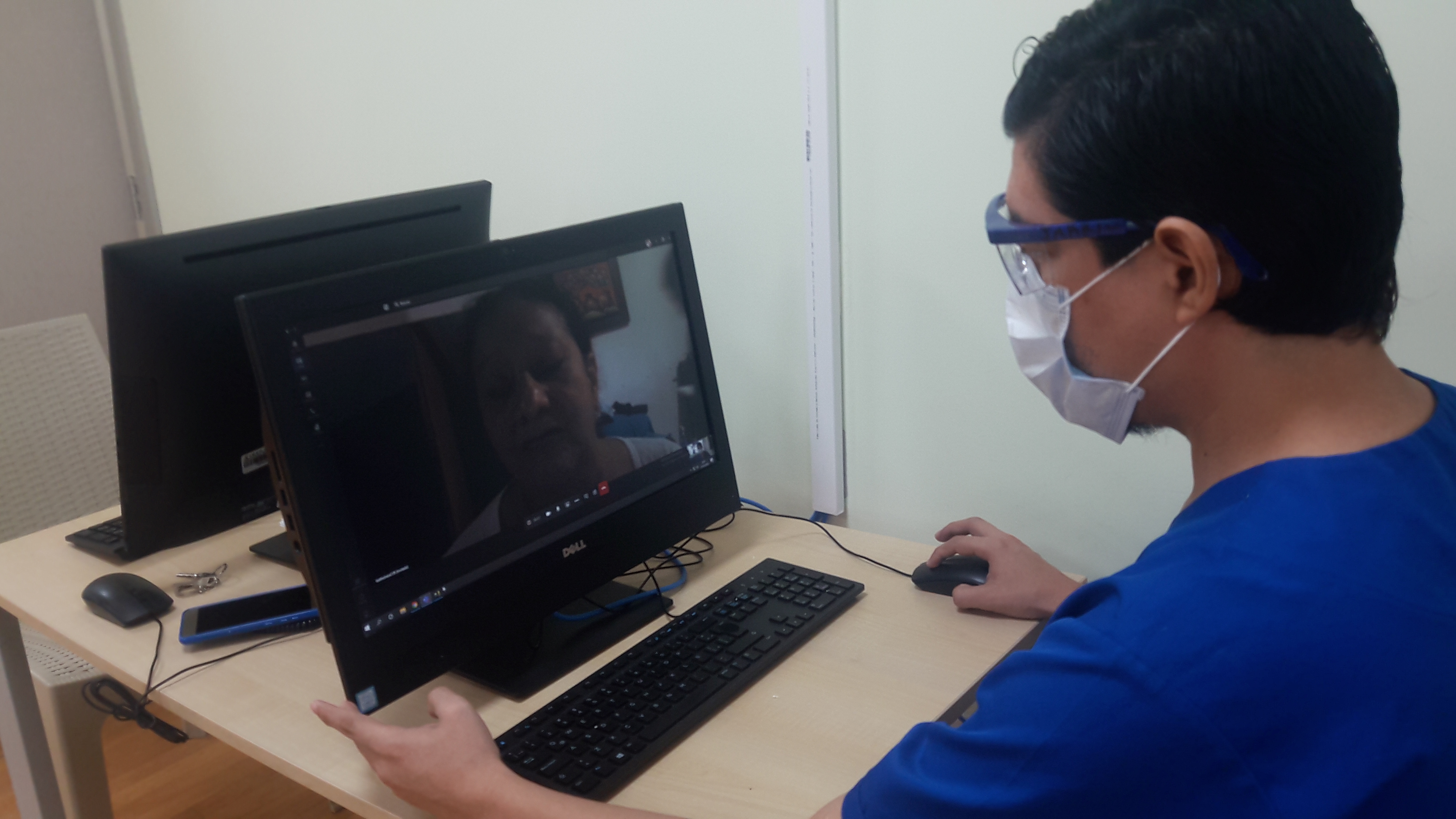
Telemedicine, the remote delivery of healthcare services, has been driven by technological advancements and global events. This trend encompasses a wide array…
Contents
Overview
Telemedicine, the remote delivery of healthcare services, has been driven by technological advancements and global events. This trend encompasses a wide array of services, including virtual consultations, remote patient monitoring, and digital therapeutics, fundamentally altering patient access and provider workflows. Innovations in artificial intelligence for diagnostics and wearable technology for continuous health tracking continue to fuel expansion. Despite its rapid growth, challenges remain regarding data privacy, regulatory frameworks, and ensuring equitable access across diverse socioeconomic groups. The ongoing evolution of telemedicine promises a future where healthcare is more accessible, personalized, and integrated into daily life.
🎵 Origins & History
The concept of remote healthcare predates digital technology, with early forms like telegraphic medical advice emerging in the late 19th century. However, modern telemedicine truly began to take shape in the mid-20th century with the advent of telephones and televisions. The integration of internet technologies in the 1990s enabled more sophisticated data exchange and paved the way for video conferencing platforms. The COVID-19 pandemic saw a dramatic acceleration in telemedicine usage and regulatory acceptance.
⚙️ How It Works
Telemedicine operates through a variety of technological channels, primarily relying on secure video conferencing platforms that allow patients to interact with healthcare providers remotely. These platforms often integrate with electronic health records (EHRs) to ensure seamless data flow and continuity of care. Remote patient monitoring (RPM) devices, such as smartwatches and specialized medical sensors, collect vital signs like heart rate, blood pressure, and glucose levels, transmitting this data to clinicians for real-time analysis. Store-and-forward telemedicine allows for the asynchronous transmission of medical images and data, such as radiology scans or dermatological photos, for expert review. Mobile health (mHealth) applications further extend telemedicine's reach, offering health tracking, appointment scheduling, and medication reminders directly on smartphones.
📊 Key Facts & Numbers
The global telemedicine market is a colossal entity. The market was estimated to be worth over $200 billion in 2023. Telemedicine visits in the United States saw an increase of over 600% compared to pre-pandemic levels during the peak of the COVID-19 pandemic, according to CMS data. Approximately 76% of all U.S. hospitals were utilizing telehealth services by 2022, a significant jump from around 40% in 2019. The average cost savings per patient for a telemedicine visit can range from $70 to $150 compared to an in-person visit, depending on the service provided.
👥 Key People & Organizations
Key figures driving telemedicine's evolution include Dr. Eric Topol, a prominent cardiologist and digital medicine researcher who has long advocated for patient empowerment through technology. Jason Gorevic, former CEO of Teladoc Health, was instrumental in scaling the company into a global leader. Organizations like the American Telemedicine Association (ATA) and the Healthcare Information and Management Systems Society (HIMSS) play crucial roles in setting standards, advocating for policy changes, and disseminating best practices. Major technology companies like Amazon (with Amazon Pharmacy) and Google (through Google Health initiatives) are also increasingly investing in and shaping the telemedicine landscape, alongside established healthcare providers and specialized telemedicine platforms like Doctor On Demand and MDLive.
🌍 Cultural Impact & Influence
Telemedicine has profoundly reshaped patient expectations and access to care, democratizing healthcare by breaking down geographical barriers. The rise of direct-to-consumer health services has empowered individuals to take a more proactive role in managing their health. Culturally, telemedicine has fostered a greater acceptance of digital interactions for sensitive matters like healthcare, normalizing virtual consultations and remote monitoring. This shift has also influenced the design of healthcare facilities, with a growing emphasis on integrated digital health hubs and virtual care centers.
⚡ Current State & Latest Developments
The current telemedicine landscape is characterized by rapid innovation and market consolidation. Companies are increasingly focusing on specialized niches, such as mental health (e.g., BetterHelp, Talkspace) and chronic disease management. The integration of artificial intelligence (AI) is a major trend, with AI algorithms being used for preliminary diagnosis, analyzing medical images, and personalizing treatment plans. Virtual reality (VR) is also emerging as a tool for physical therapy and pain management. Regulatory bodies are continuously adapting, with many governments extending pandemic-era flexibilities for telemedicine reimbursement and licensing, though debates persist about long-term policy. The focus is shifting towards hybrid models that blend virtual and in-person care for optimal patient outcomes.
🤔 Controversies & Debates
Significant controversies surround telemedicine, primarily concerning data security and patient privacy. The transmission of sensitive health information over digital networks raises concerns about potential breaches and compliance with regulations like HIPAA. Another debate centers on equitable access; while telemedicine can improve access for some, the digital divide, lack of reliable internet, and digital literacy can exacerbate health disparities for others. There are also ongoing discussions about the quality of care compared to in-person visits, particularly for complex conditions or procedures requiring physical examination. The licensing of healthcare providers across state and international borders remains a complex regulatory hurdle, with varying laws impacting the reach of telemedicine services.
🔮 Future Outlook & Predictions
The future of telemedicine points towards increasingly sophisticated and integrated healthcare delivery. Expect a greater prevalence of AI-powered diagnostic tools, predictive analytics for early disease detection, and personalized treatment regimens delivered virtually. Augmented reality (AR) may play a role in remote surgical assistance and complex procedure guidance. The concept of the 'hospital at home' will likely expand, with advanced remote monitoring and in-home care services reducing hospitalizations. Furthermore, the integration of telemedicine with genomics and personalized medicine will enable highly tailored health interventions. The ongoing challenge will be to ensure these advancements are accessible to all, bridging the digital divide and fostering a truly patient-centric healthcare ecosystem.
💡 Practical Applications
Telemedicine's practical applications are vast and growing. It's used for routine primary care consultations, prescription refills, and managing chronic conditions like diabetes and hypertension. Mental health services, including psychotherapy and psychiatric evaluations, are widely delivered via telemedicine. Dermatology benefits from remote image analysis for skin conditions. Radiology departments utilize telemedicine for remote reading of scans. Physical therapy and rehabilitation programs are increasingly conducted through guided virtual sessions. Even specialized fields like cardiology and neurology are leveraging remote consultations and monitoring for patient follow-ups and management of complex cases.
Key Facts
- Category
- technology
- Type
- topic