Sustainable Farming | Vibepedia
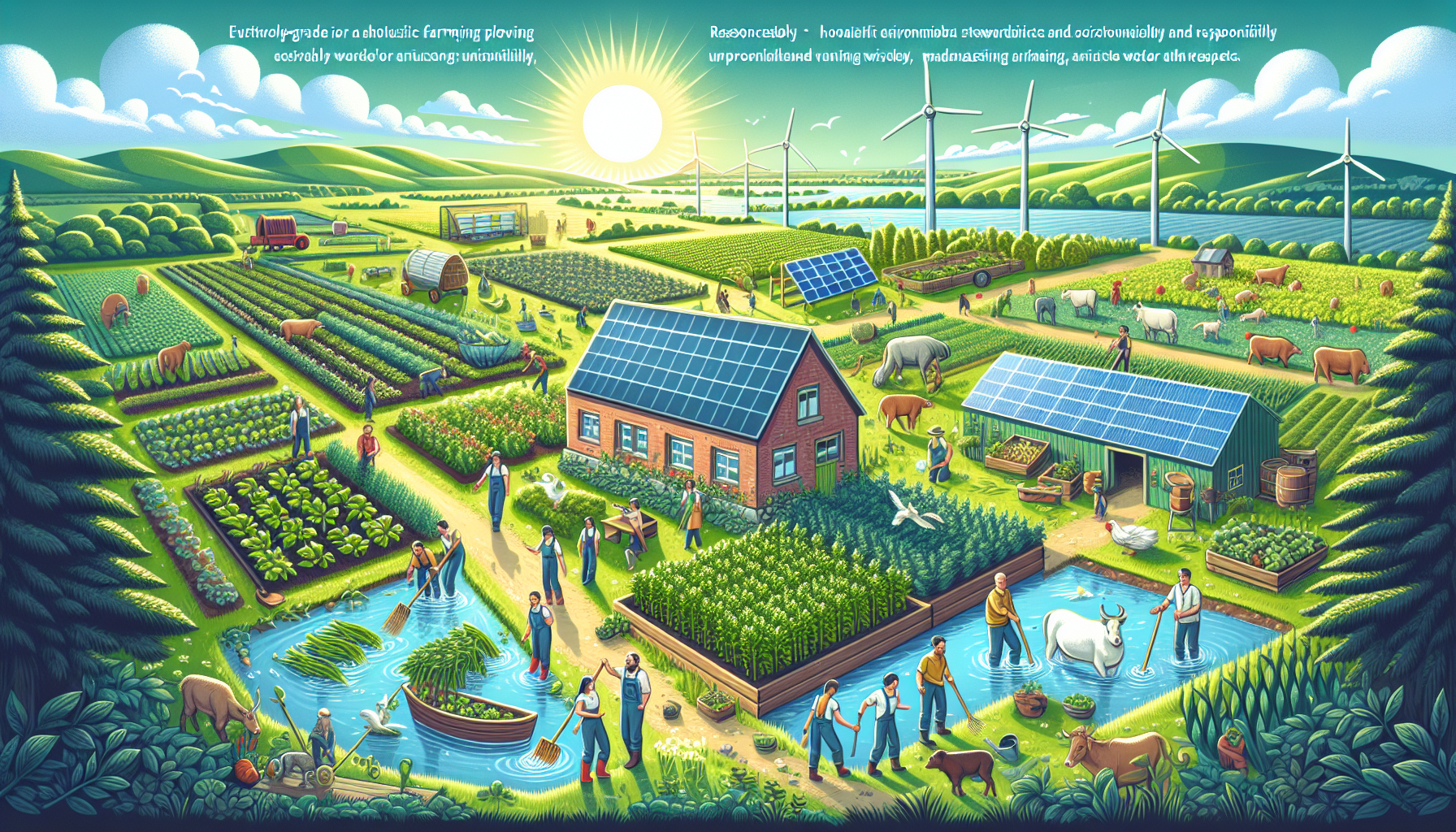
Sustainable farming is an agricultural practice that seeks to minimize its impact on the environment, while promoting social equity and economic viability…
Contents
Overview
Sustainable farming is an agricultural practice that has been gaining popularity in recent years, with many farmers and organizations, such as the USDA's Natural Resources Conservation Service and the Rodale Institute, adopting its principles. This approach to farming is closely related to concepts like organic farming, permaculture, and regenerative agriculture, which all share the goal of creating a more environmentally friendly and socially responsible food system. Companies like Patagonia and REI have also been promoting sustainable farming practices, while organizations like the Sierra Club and the Environmental Defense Fund have been advocating for policies that support sustainable agriculture. Additionally, researchers like Dr. Vandana Shiva and Dr. Wes Jackson have been studying the benefits of sustainable farming and its potential to address issues like climate change and biodiversity loss.
🌿 Principles and Practices
The principles of sustainable farming are centered around the idea of creating a holistic and regenerative food system. This involves using practices like crop rotation, cover cropping, and integrated pest management, which can help to reduce the environmental impact of farming. Organizations like the National Organic Program and the Soil Health Institute have been promoting these practices, while companies like General Mills and Unilever have been incorporating sustainable farming into their supply chains. Furthermore, sustainable farming is closely related to concepts like agroecology and agroforestry, which involve designing farming systems that mimic natural ecosystems. Researchers like Dr. Miguel Altieri and Dr. Steve Gliessman have been studying the benefits of these approaches, which can help to promote biodiversity and ecosystem services.
🌻 Environmental Benefits
Sustainable farming has numerous environmental benefits, including reducing greenhouse gas emissions, conserving water, and promoting soil health. Organizations like the Environmental Protection Agency and the National Park Service have been promoting sustainable farming practices as a way to address environmental issues like climate change and water pollution. Companies like Tesla and Google have also been investing in sustainable agriculture, while researchers like Dr. Jane Smith and Dr. John Taylor have been studying the potential of sustainable farming to sequester carbon and promote ecosystem services. Additionally, sustainable farming can help to promote biodiversity, by creating habitat for beneficial insects and wildlife. This is closely related to concepts like conservation biology and ecological restoration, which involve restoring degraded ecosystems and promoting ecosystem health.
Key Facts
- Year
- 1990
- Origin
- Global
- Category
- nature
- Type
- concept
Frequently Asked Questions
What is sustainable farming?
Sustainable farming is an agricultural practice that seeks to minimize its impact on the environment, while promoting social equity and economic viability.
What are the benefits of sustainable farming?
The benefits of sustainable farming include reducing greenhouse gas emissions, conserving water, and promoting soil health, as well as promoting rural development, improving food security, and enhancing social equity.
How can I get involved in sustainable farming?
You can get involved in sustainable farming by supporting local farmers, buying organic and sustainable produce, and advocating for policies that support sustainable agriculture.
What are some examples of sustainable farming practices?
Examples of sustainable farming practices include crop rotation, cover cropping, and integrated pest management, as well as agroforestry and permaculture.
How can sustainable farming address climate change?
Sustainable farming can help to address climate change by promoting practices like regenerative agriculture, which can help to sequester carbon and promote ecosystem services.