The Crucible of Steel Production | Vibepedia
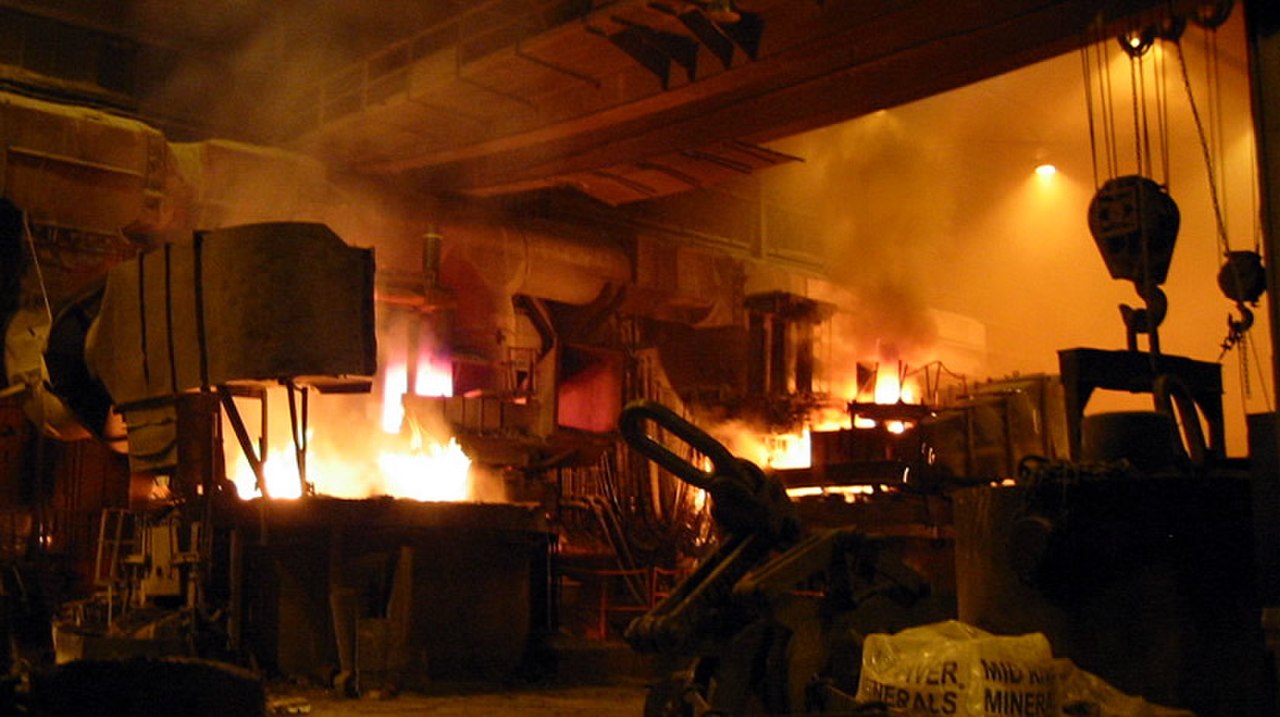
Steel production, with a history dating back to ancient times, has evolved significantly over the centuries, from the early bloomery furnaces to the modern…
Contents
- 🔥 Introduction to Steel Production
- 🌎 History of Steelmaking
- 🔪 The Bessemer Process
- 🔩 The Siemens-Martin Process
- 📈 Commercialization of Steel Production
- 🌈 Modern Steel Production Methods
- 🚀 Future of Steel Production
- 👥 Key Players in the Steel Industry
- 📊 Steel Production Statistics
- 🌐 Global Steel Trade
- 🚨 Environmental Impact of Steel Production
- 🔍 Innovations in Steel Production
- Frequently Asked Questions
- Related Topics
Overview
Steel production, with a history dating back to ancient times, has evolved significantly over the centuries, from the early bloomery furnaces to the modern basic oxygen and electric arc furnaces. Today, steel is a critical component in construction, transportation, and consumer goods, with the global steel market valued at over $2.5 trillion. However, the industry faces significant environmental challenges, including greenhouse gas emissions and water pollution, with the production of one ton of steel resulting in approximately 1.8 tons of CO2 emissions. Despite these concerns, advancements in technology, such as the use of hydrogen in steel production, offer promising solutions for a more sustainable future. The steel industry is also marked by intense competition, with countries like China, India, and the United States vying for market share. As the world continues to urbanize and infrastructure demands increase, the steel production industry will play a pivotal role, with its Vibe score reflecting the dynamic interplay of economic, environmental, and technological factors.
🔥 Introduction to Steel Production
Steel production is a complex process that involves the transformation of iron ore and/or scrap into steel. The history of steel production dates back to ancient times, with early civilizations such as the Egyptians and Greeks producing steel for tools and weapons. However, it wasn't until the 19th century that steel production became a major industry, with the development of the Bessemer process and the Siemens-Martin process. Today, steel is a vital component of modern society, used in everything from buildings and cars to appliances and medical equipment.
🌎 History of Steelmaking
The history of steel production is a long and fascinating one, with early steel production dating back to around 1800 BCE. The ancient Indus Valley Civilization is known to have produced steel, as did the Chinese and Romans. However, it wasn't until the development of the Bessemer process in the 1850s that steel production became a major industry. The Siemens-Martin process, developed in the 1860s, further improved the efficiency and quality of steel production. Today, steel production is a global industry, with major producers including China, India, and United States.
🔪 The Bessemer Process
The Bessemer process was a major breakthrough in steel production, allowing for the mass production of steel for the first time. Developed by Sir Henry Bessemer in the 1850s, the process involved blowing air through molten pig iron to remove impurities. This process was a significant improvement over earlier methods, which involved labor-intensive and time-consuming processes such as puddling and forging. The Bessemer process was widely adopted in the late 19th century, and remained the dominant method of steel production until the development of the Siemens-Martin process.
🔩 The Siemens-Martin Process
The Siemens-Martin process was another major innovation in steel production, developed in the 1860s by William Siemens and Pierre-Émile Martin. This process involved using an open-hearth furnace to melt and purify steel, and was a significant improvement over the Bessemer process. The Siemens-Martin process allowed for the production of higher-quality steel, and was widely adopted in the late 19th and early 20th centuries. Today, the Siemens-Martin process is still used in some steel production facilities, although it has largely been replaced by more modern methods such as electric arc furnace production.
📈 Commercialization of Steel Production
The commercialization of steel production in the 19th century had a major impact on the global economy. Steel was used in the construction of railroads, bridges, and buildings, and was a key component of the Industrial Revolution. The development of the Bessemer process and the Siemens-Martin process allowed for the mass production of steel, making it more widely available and affordable. Today, steel is a vital component of modern society, used in everything from appliances and medical equipment to cars and aircraft.
🌈 Modern Steel Production Methods
Modern steel production methods have improved significantly since the development of the Bessemer process and the Siemens-Martin process. Today, steel is produced using a variety of methods, including electric arc furnace production, basic oxygen furnace production, and ladle metallurgy furnace production. These methods allow for the production of higher-quality steel, with improved strength and durability. Additionally, modern steel production facilities often incorporate advanced technologies such as automation and robotics to improve efficiency and reduce costs.
🚀 Future of Steel Production
The future of steel production is likely to be shaped by a number of factors, including advances in technology and changes in global demand. One major trend in the steel industry is the increasing use of renewable energy sources, such as solar energy and wind energy, to power steel production facilities. This can help to reduce the environmental impact of steel production, which is a major concern for the industry. Additionally, the development of new steel production methods, such as hydrogen reduction, may offer improved efficiency and reduced costs.
👥 Key Players in the Steel Industry
The steel industry is a global industry, with major producers including China, India, and United States. Other key players in the industry include Japan, South Korea, and Germany. These countries have significant steel production capacities, and are major exporters of steel to other countries. The steel industry is also a significant employer, with millions of people working in steel production facilities around the world. Companies such as ArcelorMittal and Nucor are major players in the industry, with significant steel production capacities and global reach.
📊 Steel Production Statistics
Steel production statistics are an important indicator of the health of the global economy. In 2020, global steel production reached a record high of over 1.8 billion metric tons, with China accounting for over 50% of global production. The United States is also a significant producer of steel, with major steel production facilities located in states such as Pennsylvania and Ohio. The steel industry is a significant contributor to the global economy, with steel being used in a wide range of applications, from construction and automotive to consumer goods and medical devices.
🌐 Global Steel Trade
The global steel trade is a significant aspect of the steel industry, with millions of tons of steel being exported and imported every year. The World Trade Organization plays a key role in regulating the global steel trade, with countries such as China and United States being major players in the industry. The global steel trade is subject to a range of tariffs and trade agreements, which can impact the price and availability of steel in different countries. Companies such as ArcelorMittal and Nucor are major players in the global steel trade, with significant steel production capacities and global reach.
🚨 Environmental Impact of Steel Production
The environmental impact of steel production is a significant concern for the industry. Steel production is a major source of greenhouse gas emissions, with the production of one ton of steel resulting in the emission of around 1.8 tons of CO2. The steel industry is also a significant consumer of energy, with steel production facilities often being powered by fossil fuels. However, the industry is taking steps to reduce its environmental impact, with the development of new steel production methods and the increasing use of renewable energy sources.
🔍 Innovations in Steel Production
Innovations in steel production are ongoing, with researchers and companies working to develop new and improved steel production methods. One area of research is the development of new steel alloys, which can offer improved strength and durability. Additionally, the use of artificial intelligence and machine learning is becoming more widespread in the steel industry, with companies using these technologies to improve efficiency and reduce costs. The development of new steel production methods, such as hydrogen reduction, may also offer improved efficiency and reduced costs.
Key Facts
- Year
- 2022
- Origin
- Ancient Civilizations, with modern industrial processes emerging in the late 19th century
- Category
- Industry and Manufacturing
- Type
- Industrial Process
Frequently Asked Questions
What is the history of steel production?
The history of steel production dates back to ancient times, with early civilizations such as the Egyptians and Greeks producing steel for tools and weapons. However, it wasn't until the 19th century that steel production became a major industry, with the development of the Bessemer process and the Siemens-Martin process. Today, steel is a vital component of modern society, used in everything from buildings and cars to appliances and medical equipment.
What are the different methods of steel production?
There are several different methods of steel production, including electric arc furnace production, basic oxygen furnace production, and ladle metallurgy furnace production. These methods allow for the production of higher-quality steel, with improved strength and durability. Additionally, modern steel production facilities often incorporate advanced technologies such as automation and robotics to improve efficiency and reduce costs.
What is the environmental impact of steel production?
The environmental impact of steel production is a significant concern for the industry. Steel production is a major source of greenhouse gas emissions, with the production of one ton of steel resulting in the emission of around 1.8 tons of CO2. The steel industry is also a significant consumer of energy, with steel production facilities often being powered by fossil fuels. However, the industry is taking steps to reduce its environmental impact, with the development of new steel production methods and the increasing use of renewable energy sources.
What are the key players in the steel industry?
The steel industry is a global industry, with major producers including China, India, and United States. Other key players in the industry include Japan, South Korea, and Germany. These countries have significant steel production capacities, and are major exporters of steel to other countries. Companies such as ArcelorMittal and Nucor are major players in the industry, with significant steel production capacities and global reach.
What is the future of steel production?
The future of steel production is likely to be shaped by a number of factors, including advances in technology and changes in global demand. One major trend in the steel industry is the increasing use of renewable energy sources, such as solar energy and wind energy, to power steel production facilities. This can help to reduce the environmental impact of steel production, which is a major concern for the industry. Additionally, the development of new steel production methods, such as hydrogen reduction, may offer improved efficiency and reduced costs.
What are the different types of steel?
There are several different types of steel, including carbon steel, stainless steel, and alloy steel. Each type of steel has its own unique properties and applications, with carbon steel being used in construction and automotive, stainless steel being used in food processing and medical equipment, and alloy steel being used in aerospace and defense. The choice of steel type depends on the specific application and the required properties, such as strength, durability, and corrosion resistance.
What is the role of steel in modern society?
Steel plays a vital role in modern society, with applications in everything from buildings and cars to appliances and medical equipment. Steel is a versatile material that can be used in a wide range of applications, from structural components to consumer goods. The steel industry is a significant contributor to the global economy, with steel being used in a wide range of industries, including construction, automotive, and consumer goods.