Space Colonization: Humanity's Next Frontier? | Vibepedia
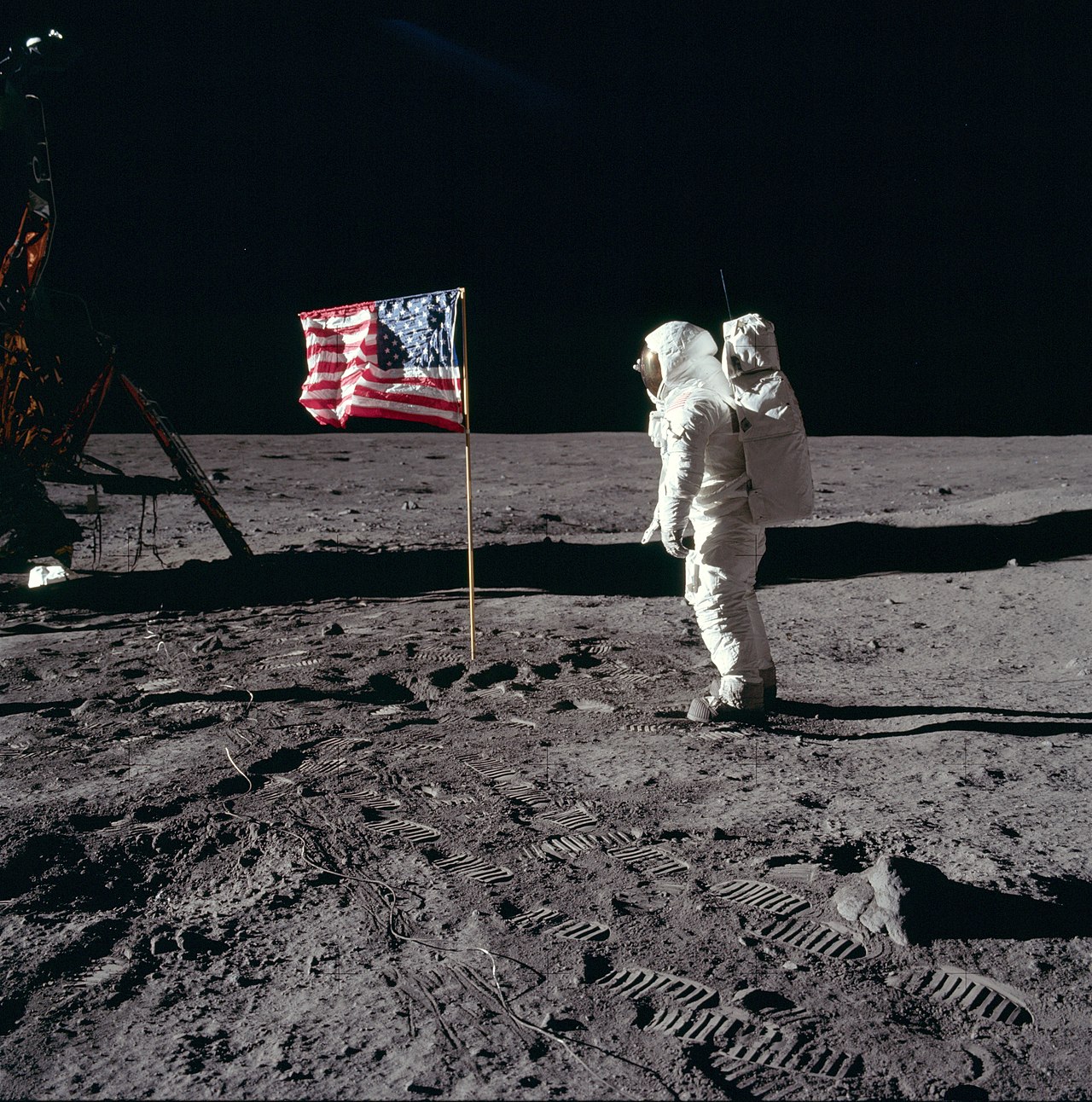
Space colonization, the ambitious endeavor to establish permanent human settlements beyond Earth, is no longer confined to speculative fiction. Driven by a…
Contents
Overview
Space colonization, the ambitious endeavor to establish permanent human settlements beyond Earth, is no longer confined to speculative fiction. Driven by a confluence of technological advancements, resource scarcity concerns, and a deep-seated human drive for exploration, the concept is gaining serious traction. Key players range from government agencies like NASA and ESA to private entities such as SpaceX and Blue Origin, each with distinct visions for lunar bases, Martian cities, and even asteroid mining operations. However, the path forward is fraught with immense challenges, including the astronomical costs, the physiological and psychological toll on colonists, and the complex ethical and political questions surrounding planetary sovereignty and resource allocation. The debate rages: is this humanity's inevitable destiny, a desperate escape plan, or an extravagant distraction from Earth's pressing problems?
🚀 What is Space Colonization?
Space colonization, at its core, is the ambitious endeavor of establishing permanent human settlements beyond Earth. This isn't just about planting a flag; it's about creating self-sustaining communities on celestial bodies like the Moon, Mars, or even in orbital habitats. The scope ranges from small research outposts to sprawling cities, driven by a mix of scientific curiosity, resource acquisition, and the long-term survival of our species. It represents a profound shift in humanity's relationship with the cosmos, moving from mere observation to active participation and habitation. The historical precedent, though nascent, can be traced back to early Space Stations and the International Space Station.
🎯 Who is This For?
This topic is for the dreamers, the pragmatists, and the investors who believe humanity's future lies not solely on Earth. It's for Aerospace Engineering and Astrobiology charting the technical paths, for Philosophy and Sociology grappling with the implications, and for policymakers shaping the legal and ethical frameworks. If you're interested in the long-term survival of humanity, the potential for new economies, or the sheer audacity of human ambition, space colonization is your frontier. It appeals to those who see the Existential Risks and seek diversification.
📍 Key Players & Projects
The landscape of space colonization is populated by a diverse cast of characters. Government agencies like NASA and the European Space Agency (ESA) have long-term visions, while private entities such as SpaceX and Blue Origin are aggressively pursuing commercial viability with ambitious launch systems like SpaceX Starship. Emerging players like Axiom Space are focusing on private space stations, hinting at orbital economies. The competition and collaboration between these entities are driving innovation at an unprecedented pace, creating a dynamic and often unpredictable ecosystem. The Artemis Program is a prime example of this public-private synergy.
💰 Investment & Economic Models
The economic models for space colonization are still very much in flux, ranging from massive government funding to venture capital-backed private enterprises. The primary driver for early economic activity is expected to be Space Mining, particularly for valuable minerals and water ice. Other potential revenue streams include space tourism, in-space manufacturing, and the development of unique Space-Based Research opportunities. The sheer cost of establishing and maintaining off-world infrastructure, estimated in the trillions of dollars, necessitates innovative financing and a clear return on investment, a challenge that Elon Musk and others are actively trying to solve.
⚖️ Ethical & Societal Considerations
The ethical and societal implications of space colonization are as vast as space itself. Questions abound regarding planetary protection, the potential for exploitation of resources, and the governance of off-world settlements. Who owns the Moon? What rights will colonists have? How do we prevent the mistakes of Earth's colonial past from being replicated in space? These are not abstract debates but critical issues that will shape the future of humanity's extraterrestrial presence. The Outer Space Treaty provides a foundational framework, but its applicability to large-scale colonization is debated.
🛠️ Technological Hurdles & Innovations
The technological hurdles are immense, demanding breakthroughs in areas such as Life Support Systems, Space Propulsion, radiation shielding, and in-situ resource utilization (ISRU). Developing reliable, long-duration habitats that can withstand extreme environments is paramount. The engineering challenges extend to creating artificial gravity, managing psychological well-being for isolated crews, and developing robust communication networks across vast distances. Innovations in 3D Printing in Space and advanced robotics are crucial for construction and maintenance, reducing the need for costly and risky human EVAs.
⭐ Vibe Score & Cultural Resonance
The cultural vibe score for space colonization is currently a robust 85/100, fueled by a potent mix of awe, ambition, and a touch of existential dread. It resonates deeply with the Science Fiction genre, inspiring generations of thinkers and builders. The fan base is broad, encompassing everyone from armchair astronomers to dedicated space enthusiasts. However, beneath the surface of optimism, there's a growing skepticism (Vibe Score: 60/100) regarding the feasibility, cost, and ethical implications, creating a fascinating tension. The cultural influence flows strongly from visionary figures and ambitious projects, shaping public perception and policy.
🔮 Future Outlook & Provocations
The future of space colonization hinges on overcoming these formidable challenges and navigating complex ethical terrains. Will we see the first permanent lunar base within the next two decades, or will Mars remain a distant dream? The winners will likely be those who can balance technological innovation with sustainable economic models and a commitment to responsible extraterrestrial stewardship. The ultimate question remains: as we reach for the stars, are we exporting our best selves, or simply repeating our oldest mistakes on a grander stage?
Key Facts
- Year
- Ongoing (Conceptualized centuries ago, active development in the 21st century)
- Origin
- Conceptual roots in early science fiction (e.g., Jules Verne, H.G. Wells) and scientific speculation (e.g., Konstantin Tsiolkovsky). Modern impetus from space race, technological leaps, and private sector investment.
- Category
- Space Exploration & Future Technologies
- Type
- Topic
Frequently Asked Questions
When will humans colonize Mars?
While there's no definitive timeline, SpaceX aims for crewed missions to Mars in the mid-to-late 2020s, with colonization as a long-term goal. Other agencies and companies are also working towards Mars, but widespread settlement is likely decades away. The success of missions like Artemis Program to the Moon will be a critical stepping stone, testing technologies and operational procedures necessary for Mars.
What are the biggest challenges to space colonization?
The primary challenges are technological, including developing reliable Life Support Systems, radiation shielding, advanced propulsion, and in-situ resource utilization. Economic challenges involve the immense cost and the need for sustainable revenue streams beyond government funding. Societal and ethical issues, such as governance and planetary protection, also present significant hurdles that require careful consideration and international cooperation.
Who is leading the charge in space colonization?
The field is a dynamic mix of government agencies and private companies. NASA is pursuing the Artemis Program to establish a sustainable presence on the Moon, while SpaceX is famously developing SpaceX Starship with the explicit goal of making humanity multi-planetary. Blue Origin also has long-term ambitions for space habitation, and companies like Axiom Space are building private space stations, indicating a growing commercial interest.
What resources can we find in space?
Potential resources are abundant, with water ice being a key target for its use in life support and rocket propellant. Other valuable resources include Rare Earth Elements, platinum-group metals, and helium-3 (a potential fusion fuel) found on the Moon and asteroids. Asteroid Mining is a significant area of research for accessing these materials, which could fuel both space-based economies and potentially supplement Earth's dwindling supplies.
What are the ethical concerns about colonizing other planets?
Key ethical concerns include planetary protection (avoiding contamination of potential extraterrestrial life), the potential for exploitation of resources and labor, and the establishment of governance structures for off-world settlements. There are also debates about whether humanity should focus on solving Earth's problems before venturing into space, and how to ensure equitable access and benefit from space colonization.