Somalilanders | Vibepedia
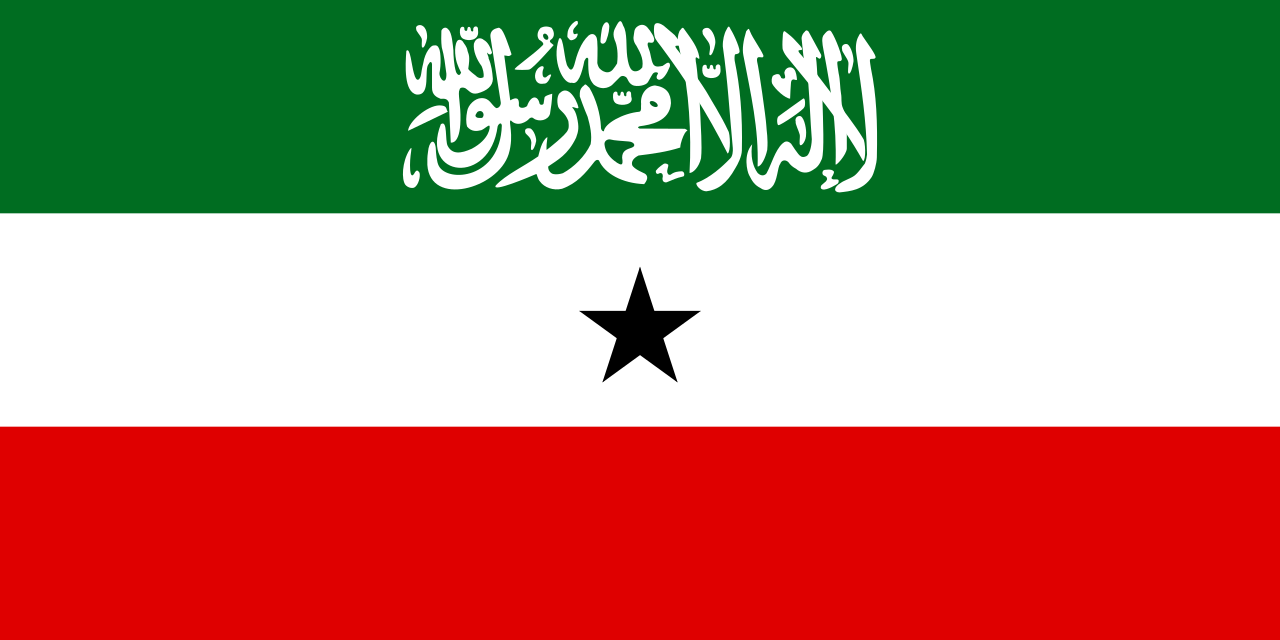
Somalilanders are the people of Somaliland, a self-declared state in the Horn of Africa that has maintained a de facto independence from Somalia since 1991…
Contents
Overview
Somalilanders inhabit a self-declared republic in the Horn of Africa, covering 176,120 square kilometers of strategically vital territory. Bordered by Djibouti, Ethiopia, and the Puntland region of Somalia, the population reached approximately 6.2 million by 2024. This demographic is defined by its resilience, having rebuilt a functioning state from the ruins of the 1988 civil war. While the international community largely views them as part of Somalia, Somalilanders operate with their own currency, passport, and military. The capital, Hargeisa, serves as the beating heart of this unrecognized but highly functional democracy.
🗳️ Political Identity & Sovereignty
The political identity of Somalilanders is rooted in the 1960 independence from British protectorate status and the subsequent 1991 re-assertion of sovereignty. Unlike the volatile political climate in Mogadishu, Somalilanders have established a track record of peaceful one-person-one-vote elections. This civic pride is a central pillar of the national psyche, often manifesting in a fierce rejection of any federal union with the south. The Somali National Movement remains a foundational historical touchstone for the older generation, representing the armed struggle that led to the current peace. For the youth, the focus has shifted toward securing de jure recognition to unlock global credit markets.
💰 Economic Engines & Remittances
The economy is driven by a mix of livestock exports to the Gulf States and a massive influx of remittances from Somalilanders living abroad. Berbera Port, managed by DP World, is the nation's most valuable strategic asset, positioning Somaliland as a primary gateway for landlocked Ethiopia. Telecommunications and mobile money platforms like ZAAD have created one of the world's most cashless societies, bypassing traditional banking hurdles. Despite the lack of World Bank recognition, the private sector thrives on high-trust networks and entrepreneurial grit. Visitors will find that the cost of living is relatively low, though infrastructure development remains a private-sector-led endeavor.
🏛️ The Hargeisa Hub
Hargeisa is the primary entry point for those engaging with Somalilanders, offering a safe and bustling urban experience. The city is famous for the Laas Geel cave paintings, which showcase the region's Neolithic history and attract a niche but growing number of cultural tourists. Accommodations range from the high-end Damal Hotel to more modest guesthouses catering to the returning diaspora. The city operates on a 24-hour cycle during the summer months when thousands of Somalilanders from London, Minneapolis, and Dubai return for 'summer in the motherland.' Security is managed by a visible but professional police force, making it one of the safest capitals in the region.
🌍 Diaspora Influence & Global Reach
The global Somaliland diaspora is a powerful political and economic lobby, particularly in the United Kingdom and Scandinavia. These communities provide the intellectual and financial capital that sustains the domestic economy and advocates for independence in foreign capitals. In cities like Sheffield and Cardiff, Somalilanders have successfully lobbied local councils to recognize their sovereignty, creating a bottom-up diplomatic strategy. This transnational identity means that a Somalilander in a remote village is often directly connected to the global economy via WhatsApp and mobile banking. This connectivity has turned the diaspora into a de facto ministry of foreign affairs.
⚖️ Legal Systems & Xeer
Legal and business operations in Somaliland require navigating the hybrid governance model that blends Western-style bureaucracy with traditional norms. While the Constitution of 2001 guarantees basic rights, the reality of property and contract law often involves clan mediation. Foreign investors typically partner with local 'fixers' who understand the intricate web of lineage politics and can guarantee security through social ties. The Berbera Corridor project is currently the most significant site of legal and economic development, attracting interest from regional powers. Navigating this requires a high degree of cultural intelligence and an appreciation for the oral nature of Somali agreements.
🚀 Future Outlook & Recognition
The future of Somalilanders is currently tied to the 2024 Memorandum of Understanding with Ethiopia, which trades port access for potential diplomatic recognition. This move has heightened tensions with the Federal Government of Somalia but has also energized the local population who see it as a path out of limbo. The youth bulge presents both a challenge and an opportunity, as a new generation of digital nomads and entrepreneurs looks beyond the borders of their unrecognized state. Whether the world officially recognizes them or not, Somalilanders have already built a functioning society that defies the 'failed state' narrative of the region. The next decade will determine if their de facto independence can finally transition into a permanent seat at the United Nations.
Key Facts
- Year
- 1991
- Origin
- Horn of Africa
- Category
- Ethnicity & Nationality
- Type
- People
Frequently Asked Questions
Is Somaliland safe for foreign visitors?
Yes, Somaliland is remarkably safe compared to its neighbors, with a dedicated Special Protection Unit (SPU) for foreigners. Hargeisa is a city where people walk freely at night, and violent crime against tourists is extremely rare. However, visitors should always check current travel advisories regarding border areas near Sool and Sanaag. The local culture is deeply hospitable, provided Islamic norms and local customs are respected.
What currency do Somalilanders use?
The official currency is the Somaliland Shilling (SLSH), but the US Dollar is the de facto primary currency for most transactions. Most Somalilanders use mobile money services like ZAAD or e-Dahab for everything from groceries to utility bills. It is common to see money changers on the streets of Hargeisa with large stacks of shillings, as the exchange rate requires a high volume of paper notes. Credit cards are rarely accepted outside of major hotels, so carrying cash or using mobile apps is essential.
How do Somalilanders differ from Somalis in the south?
While they share the same language, religion, and ethnicity, the primary difference is historical and political. Somalilanders were colonized by the British, whereas the south was an Italian colony, leading to different administrative and legal legacies. The experience of the civil war in the 1980s and the subsequent 30 years of self-governance have forged a distinct national identity centered on peace and democratic stability. Many Somalilanders view their state as a successor to the 1960 State of Somaliland.
Can I travel to Somalia with a Somaliland visa?
No, a Somaliland visa is only valid for entry into Somaliland and is not recognized by the Federal Government of Somalia in Mogadishu. Conversely, a Somali visa does not grant entry into Somaliland; you must obtain a separate visa from a Somaliland representative office (e.g., in Addis Ababa, London, or Dubai). Travelers should be aware that having a Somaliland stamp in their passport can occasionally cause questions when entering Mogadishu, though it is generally manageable.
What is the best time to visit Somaliland?
The best time to visit is during the cooler months from October to March. The summer months (June to August) can be extremely hot, especially in the coastal city of Berbera, though this is also the 'diaspora season' when Hargeisa is most vibrant. If you are interested in the Hargeisa International Book Fair, it typically takes place in July. Be mindful of the month of Ramadan, as most restaurants will be closed during daylight hours and the pace of business slows significantly.