Smartwatches | Vibepedia
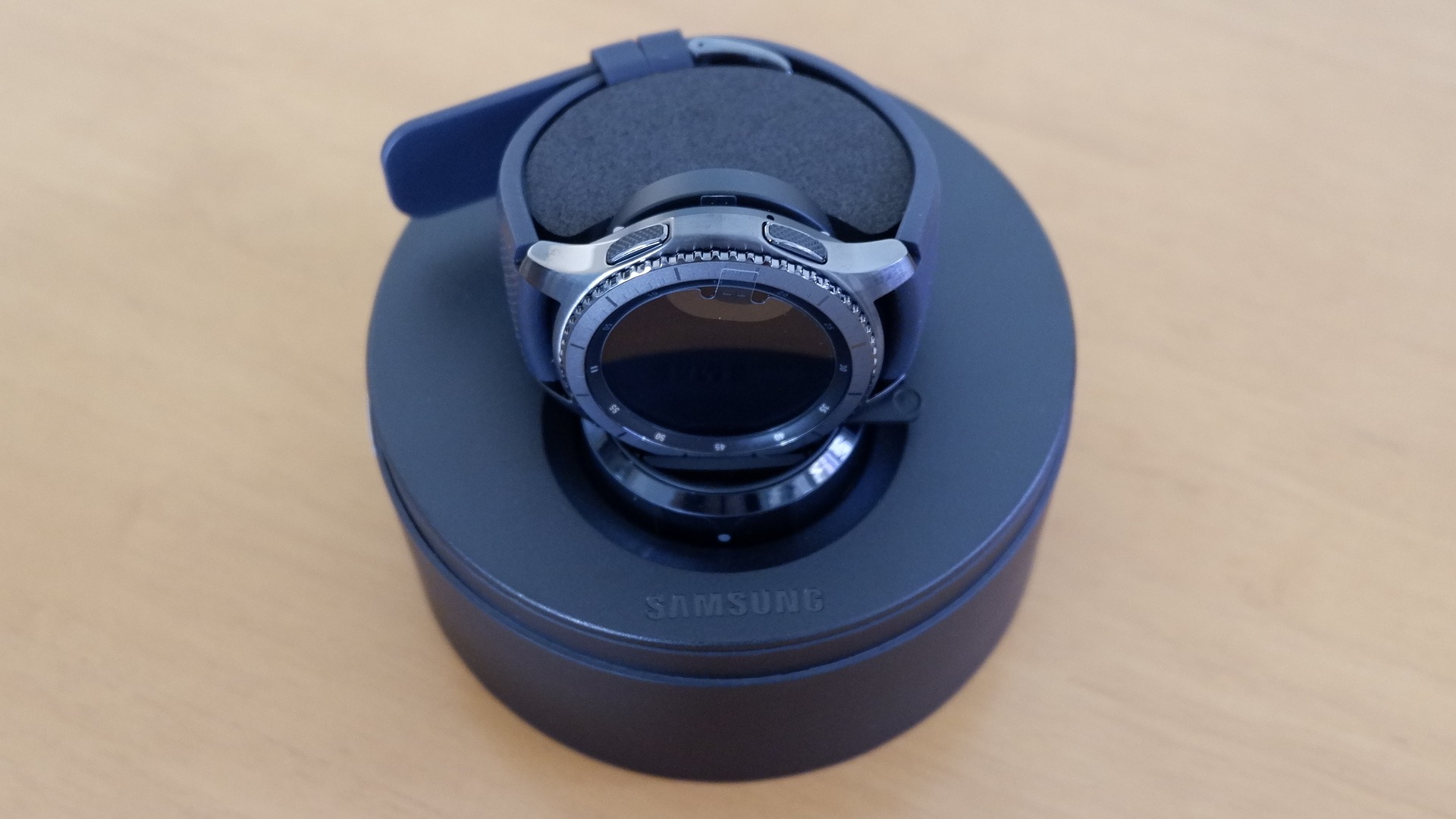
A smartwatch is a wearable computer designed to be worn on the wrist, often resembling a traditional wristwatch but equipped with advanced digital…
Contents
Overview
A smartwatch is a wearable computer designed to be worn on the wrist, often resembling a traditional wristwatch but equipped with advanced digital capabilities. Emerging from early digital watches and PDAs, modern smartwatches typically feature touchscreens, mobile operating system integration, and connectivity via Bluetooth or Wi-Fi, enabling them to run apps, receive notifications, and interact with smartphones. Beyond basic timekeeping, they offer sophisticated health and fitness tracking, mobile payments, and even cellular communication. The market, dominated by giants like [[apple-com|Apple]] and [[samsung-com|Samsung]], has seen explosive growth, with global shipments reaching hundreds of millions annually. Despite their ubiquity, debates persist regarding data privacy, battery life, and their true necessity beyond a smartphone accessory.
🎵 Origins & History
The concept of a 'smart' watch predates modern consumer electronics, with early iterations appearing in science fiction and rudimentary forms in the mid-20th century. Early attempts at wrist-worn computing included devices like the [[microsoft-com|Microsoft]] SPOT (Smart Personal Object Technology) watches, which used radio signals to deliver news, weather, and stock updates, though they were limited by their proprietary infrastructure and subscription model. The [[ibm-com|IBM]] WatchPad was a prototype running [[linux|Linux]]. These early attempts laid the groundwork, demonstrating the potential for wrist-worn computing, even if they struggled with battery life, connectivity, and mainstream appeal.
⚙️ How It Works
At their core, smartwatches function as extensions of smartphones, leveraging their processing power and internet connectivity. Most modern smartwatches run on specialized mobile operating systems, such as [[watchos|watchOS]] for Apple devices or [[wear-os|Wear OS]] for Android-based watches. They communicate with a paired smartphone via [[bluetooth|Bluetooth]] Low Energy, syncing notifications, health data, and app updates. Onboard sensors are critical: accelerometers and gyroscopes track movement for fitness, optical heart rate sensors monitor pulse, and GPS modules enable location tracking without a phone. Displays are typically vibrant OLED or LCD touchscreens, controlled by a combination of taps, swipes, and physical buttons or digital crowns. Battery life remains a key engineering challenge, with most devices requiring daily or bi-daily charging, a limitation that drives ongoing innovation in power efficiency and charging technology.
📊 Key Facts & Numbers
The smartwatch market is a multi-billion dollar industry. [[apple-com|Apple]] remains a dominant player, followed by [[samsung-com|Samsung]] and [[xiaomi-com|Xiaomi]], who are also significant players in the smartwatch market. Heart rate monitoring and step counting are common fitness uses.
👥 Key People & Organizations
Several key individuals and organizations have shaped the smartwatch landscape. [[steve-jobs|Steve Jobs]] laid the philosophical groundwork for user-friendly, integrated personal technology at [[apple-com|Apple]]. [[andy-rubin|Andy Rubin]] was instrumental in the development of [[wear-os|Wear OS]] (formerly Android Wear) at [[google-com|Google]], aiming to bring the Android ecosystem to wearables. Major manufacturers like [[samsung-com|Samsung]] (with its [[galaxy-watch|Galaxy Watch]] line) and [[garmin-com|Garmin]] (renowned for its robust fitness-focused devices) are also critical players, driving innovation and competition. The proliferation of third-party app developers on platforms like watchOS and Wear OS further fuels the ecosystem's growth.
🌍 Cultural Impact & Influence
Smartwatches have profoundly influenced how individuals interact with technology and manage their daily lives, blurring the lines between personal accessories and indispensable tools. They've democratized health monitoring, making features like heart rate tracking, ECG readings, and blood oxygen saturation measurements accessible to millions, fostering a greater awareness of personal well-being. Culturally, they've become status symbols and fashion statements, with brands offering a vast array of styles, materials, and customizable watch faces. The constant stream of notifications has also altered communication patterns, leading to both increased efficiency and potential for distraction. Furthermore, the integration of contactless payment systems like [[apple-pay|Apple Pay]] and [[samsung-pay|Samsung Pay]] on wrists has normalized tap-to-pay transactions, subtly shifting consumer behavior.
⚡ Current State & Latest Developments
The smartwatch market continues its upward trajectory, driven by advancements in health monitoring, battery technology, and seamless integration with other smart devices. [[apple-com|Apple]] continues to refine its [[watchos|watchOS]] with enhanced fitness features and new health insights, while [[samsung-com|Samsung]] is pushing the boundaries with its [[galaxy-watch|Galaxy Watch]] series, often integrating advanced health metrics and unique design elements. The emergence of more affordable, yet capable, devices from Chinese manufacturers like [[xiaomi-com|Xiaomi]] and [[huawei-com|Huawei]] is also expanding market reach, particularly in emerging economies. The focus is increasingly on standalone functionality, reducing reliance on a paired smartphone for core tasks.
🤔 Controversies & Debates
Despite their widespread adoption, smartwatches are not without controversy. Data privacy is a significant concern, as these devices collect intimate health and location information. The accuracy of health sensors, particularly for medical-grade diagnostics, remains a subject of debate, with regulatory bodies like the [[fda-gov|FDA]] scrutinizing claims made by manufacturers. Battery life continues to be a persistent criticism; while improvements have been made, many users still find daily charging inconvenient. Furthermore, the environmental impact of manufacturing and disposing of these complex electronic devices, often with short upgrade cycles, raises ethical questions about e-waste. The perceived necessity of a smartwatch also fuels debate, with skeptics questioning whether they offer genuine utility beyond what a smartphone already provides.
🔮 Future Outlook & Predictions
The future of smartwatches points towards greater autonomy and deeper integration into our health and digital lives. Expect to see significant advancements in health monitoring, potentially including more accurate sleep stage analysis, making smartwatches indispensable health companions. Battery technology is also a key area of research, with potential breakthroughs in solid-state batteries or more efficient power management promising multi-day or even week-long usage. The concept of the 'digital twin' could see smartwatches playing a crucial role in creating real-time digital replicas of our bodies for personalized health interventions. Furthermore, as augmented reality [[augmented-reality|AR]] technologies mature, smartwatches may evolve into primary control interfaces for AR experiences, projecting information and enabling interaction directly from the wrist.
💡 Practical Applications
Smartwatches offer a diverse range of practical applications that extend far beyond telling time. For fitness enthusiasts, they serve as comprehensive training partners, tracking workouts, monitoring heart rate zones, and providing performance analytics. In daily life, they streamline communication by delivering notifications, allowing quick replies to messages, and enabling contactless payments via [[nfc-technology|NFC]] chips. For safety-conscious individuals, features like fall detection and emergency SOS calls can be life-saving. They also function as portable media controllers, allowing users to manage music playback on their phones or even store music directly on the device. In professional settings, they can discreetly provide meeting reminders and quick access to essential information, minimizing phone distractions.
Key Facts
- Category
- technology
- Type
- topic