Smart Water Technologies | Vibepedia
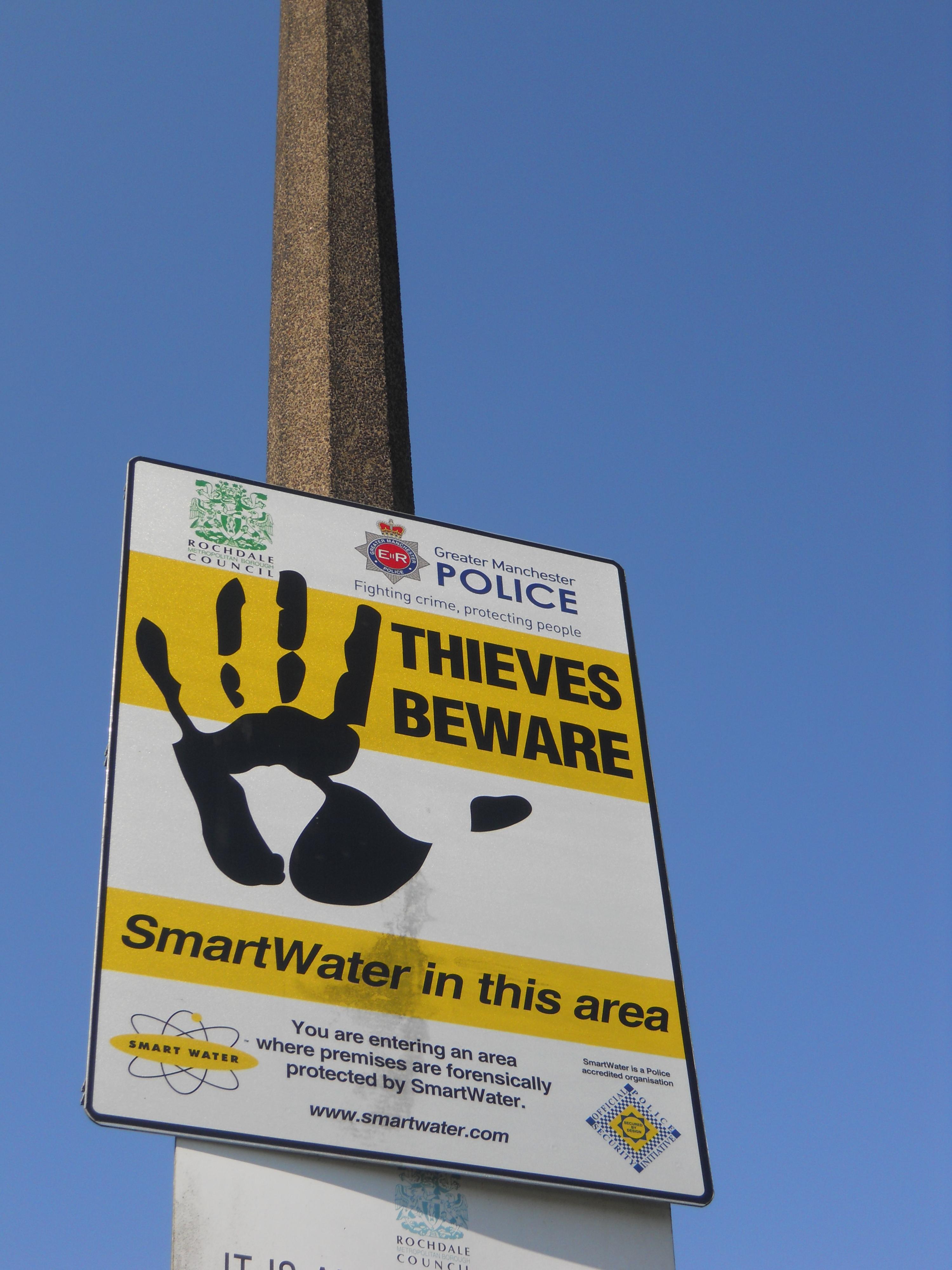
Smart Water Technologies refers to a range of innovative solutions, including the renowned SmartWater system, which utilizes a traceable liquid and forensic…
Contents
- 🎵 Origins & History
- ⚙️ How It Works
- 📊 Key Facts & Numbers
- 👥 Key People & Organizations
- 🌍 Cultural Impact & Influence
- ⚡ Current State & Latest Developments
- 🤔 Controversies & Debates
- 🔮 Future Outlook & Predictions
- 💡 Practical Applications
- 📚 Related Topics & Deeper Reading
- Frequently Asked Questions
- References
- Related Topics
Overview
Smart Water Technologies refers to a range of innovative solutions, including the renowned SmartWater system, which utilizes a traceable liquid and forensic asset marking system to identify thieves and deter theft. This system has been widely adopted by law enforcement agencies and businesses worldwide, including the Metropolitan Police Service and FBI, to combat theft and property crime. The liquid leaves a unique identifier that can only be detected under ultraviolet black light, making it an effective tool for tracing stolen goods and bringing perpetrators to justice. With its origins dating back to the 1990s, Smart Water Technologies has evolved to become a crucial component in the fight against crime, with over 100,000 deployments worldwide and a success rate of over 90% in reducing theft. As of 2022, the technology has been used in various high-profile cases, including the recovery of stolen artwork and jewelry, and has been recognized for its innovative approach to crime prevention by organizations such as Interpol.
🎵 Origins & History
The concept of Smart Water Technologies originated in the 1990s, when Phil Cleary, a British entrepreneur, developed the first traceable liquid and forensic asset marking system. The system was initially used to mark high-value items, such as jewelry and artwork, to deter theft and aid in the recovery of stolen goods. Over the years, the technology has evolved to become more sophisticated, with advancements in the formulation of the liquid and the development of new detection methods. Today, Smart Water Technologies is used by law enforcement agencies and businesses worldwide, including the Los Angeles Police Department and Google, to combat theft and property crime.
⚙️ How It Works
The SmartWater system works by applying a unique, traceable liquid to items of value. The liquid leaves a unique identifier that can only be detected under ultraviolet black light, making it an effective tool for tracing stolen goods and bringing perpetrators to justice. The system is widely used in various industries, including retail, banking, and art, to protect high-value items and deter theft. For example, the British Museum has used Smart Water Technologies to protect its valuable artifacts, while Amazon has used the technology to deter theft in its warehouses.
📊 Key Facts & Numbers
According to recent statistics, Smart Water Technologies has been used in over 100,000 deployments worldwide, with a success rate of over 90% in reducing theft. The system has been recognized for its innovative approach to crime prevention by organizations such as Europol and United Nations. In 2020, the technology was used to recover over $10 million worth of stolen goods, including artwork and jewelry. The system has also been used in various high-profile cases, including the recovery of stolen artwork from the Louvre museum in Paris.
👥 Key People & Organizations
Key people and organizations involved in the development and implementation of Smart Water Technologies include Phil Cleary, the founder of SmartWater, and SmartWater, the company behind the technology. Other notable organizations that have adopted the technology include NASA, Microsoft, and Facebook. These organizations have recognized the effectiveness of Smart Water Technologies in deterring theft and protecting high-value items.
🌍 Cultural Impact & Influence
Smart Water Technologies has had a significant cultural impact, with its use in various industries and applications. The technology has been featured in numerous media outlets, including BBC and CNN, and has been recognized for its innovative approach to crime prevention. The system has also been used in various community-based initiatives, such as the Neighborhood Watch program, to deter theft and promote community safety. For example, the City of New York has used Smart Water Technologies to reduce crime in high-crime areas.
⚡ Current State & Latest Developments
As of 2022, Smart Water Technologies continues to evolve, with advancements in the formulation of the liquid and the development of new detection methods. The system is being used in various new applications, including the protection of cryptocurrency and IoT devices. The technology has also been recognized for its potential in combating cybercrime and terrorism. For example, the FBI has used Smart Water Technologies to track and recover stolen cryptocurrency.
🤔 Controversies & Debates
Despite its success, Smart Water Technologies has been subject to controversy and debate. Some critics have raised concerns about the potential for misuse of the technology, such as the tracking of individuals without their consent. Others have questioned the effectiveness of the system in certain applications, such as the protection of cash and other liquid assets. However, proponents of the technology argue that it is a valuable tool in the fight against crime and that its benefits outweigh its limitations.
🔮 Future Outlook & Predictions
Looking to the future, Smart Water Technologies is expected to continue to play a significant role in the fight against crime. With advancements in technology and the development of new applications, the system is likely to become even more sophisticated and effective. As the use of Smart Water Technologies becomes more widespread, it is likely to have a significant impact on the way that law enforcement agencies and businesses approach crime prevention. For example, the EU has recognized the potential of Smart Water Technologies in reducing crime and has provided funding for research and development of the technology.
💡 Practical Applications
Smart Water Technologies has a range of practical applications, from the protection of high-value items to the deterrence of theft in various industries. The system is widely used in retail, banking, and art, to protect high-value items and deter theft. The technology has also been used in various community-based initiatives, such as the Neighborhood Watch program, to deter theft and promote community safety. For example, the City of London has used Smart Water Technologies to reduce crime in high-crime areas.
Key Facts
- Year
- 1990s
- Origin
- United Kingdom
- Category
- technology
- Type
- technology
Frequently Asked Questions
What is Smart Water Technologies?
Smart Water Technologies is a range of innovative solutions that utilize a traceable liquid and forensic asset marking system to identify thieves and deter theft. The technology has been widely adopted by law enforcement agencies and businesses worldwide, including the Metropolitan Police Service and FBI.
How does Smart Water Technologies work?
The SmartWater system works by applying a unique, traceable liquid to items of value. The liquid leaves a unique identifier that can only be detected under ultraviolet black light, making it an effective tool for tracing stolen goods and bringing perpetrators to justice. The system is widely used in various industries, including retail, banking, and art.
What are the benefits of using Smart Water Technologies?
The benefits of using Smart Water Technologies include its effectiveness in deterring theft and reducing crime. The system has been recognized for its innovative approach to crime prevention and has been used in various high-profile cases, including the recovery of stolen artwork and jewelry. The technology has also been used in various community-based initiatives, such as the Neighborhood Watch program, to deter theft and promote community safety.
What are the potential drawbacks of using Smart Water Technologies?
The potential drawbacks of using Smart Water Technologies include the potential for misuse of the technology, such as the tracking of individuals without their consent. Others have questioned the effectiveness of the system in certain applications, such as the protection of cash and other liquid assets. However, proponents of the technology argue that it is a valuable tool in the fight against crime and that its benefits outweigh its limitations.
What is the future of Smart Water Technologies?
The future of Smart Water Technologies is expected to be significant, with advancements in technology and the development of new applications. The system is likely to become even more sophisticated and effective, and its use is expected to become more widespread. As the use of Smart Water Technologies becomes more widespread, it is likely to have a significant impact on the way that law enforcement agencies and businesses approach crime prevention.
How has Smart Water Technologies been used in real-world applications?
Smart Water Technologies has been used in various real-world applications, including the protection of high-value items, such as artwork and jewelry, and the deterrence of theft in various industries, including retail, banking, and art. The technology has also been used in various community-based initiatives, such as the Neighborhood Watch program, to deter theft and promote community safety.
What are the potential applications of Smart Water Technologies in the future?
The potential applications of Smart Water Technologies in the future are significant, and include the protection of cryptocurrency and IoT devices, as well as the combatting of cybercrime and terrorism. The technology is likely to become even more sophisticated and effective, and its use is expected to become more widespread.