Sanitation | Vibepedia
Sanitation encompasses the systems and practices designed to manage human excreta, wastewater, and solid waste, thereby safeguarding public health and the…
Contents
Overview
The concept of sanitation is as old as human civilization itself. Early evidence of rudimentary waste disposal systems has been found in settlements dating back to the Neolithic period. Ancient civilizations, notably the Indus Valley Civilization with its sophisticated urban planning in cities like Mohenjo-daro (c. 2600 BC) featuring covered drains and latrines, understood the link between waste and health. The Romans further advanced this with extensive public sewer systems, like the Cloaca Maxima in Rome (c. 600 BC), and public baths, demonstrating a societal investment in hygiene. However, for centuries, particularly in medieval Europe, sanitation standards regressed, leading to widespread disease outbreaks. The pivotal shift came in the 19th century with the germ theory of disease, championed by scientists like Louis Pasteur and Robert Koch, which firmly established the connection between contaminated water, waste, and epidemics like cholera. This era saw the development of modern sewage systems and water treatment plants, spearheaded by figures like John Snow and Joseph Bazalgette, transforming urban health landscapes.
⚙️ How It Works
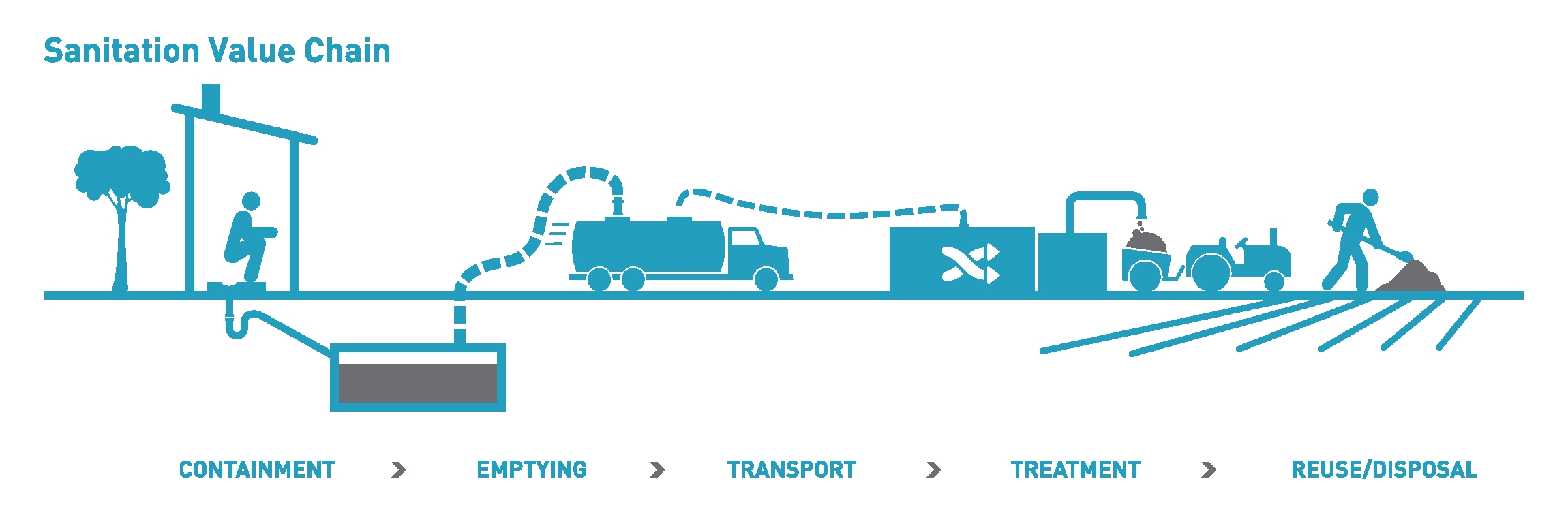
At its core, sanitation involves the safe collection, transport, treatment, and disposal of human excreta, wastewater, and solid waste. This process typically begins with toilets or latrines, which separate waste from human contact. The collected waste is then transported, often via sewer systems or septic tanks, to treatment facilities. Wastewater treatment plants employ physical, biological, and chemical processes to remove contaminants, such as screening, sedimentation, activated sludge processes, and disinfection, before discharging treated effluent into the environment or reusing it. Solid waste management involves collection, sorting, recycling, composting, or disposal in landfills. Onsite systems, such as composting toilets and biogas digesters, treat waste at or near the source, offering alternatives where centralized infrastructure is unfeasible. Handwashing with soap and clean water at critical junctures, like after defecation and before eating, is a fundamental component of sanitation, breaking the fecal-oral transmission pathway.
📊 Key Facts & Numbers
Globally, approximately 4.2 billion people lack access to safely managed sanitation services, according to a 2022 report by the World Health Organization and UNICEF. This means nearly 55% of the world's population relies on inadequate facilities. Diarrheal diseases, largely preventable through improved sanitation, remain a leading cause of death for children under five, claiming an estimated 297,000 lives annually. Investment in sanitation infrastructure is estimated to yield a return of $5.50 for every $1 invested, due to reduced healthcare costs and increased productivity. In 2020, only 74% of the global population used a safely managed sanitation facility, a figure that rises to 91% for safely managed drinking water. The economic burden of inadequate sanitation is substantial, with estimates suggesting it costs the global economy over $230 billion per year in healthcare expenses and lost productivity. Sub-Saharan Africa and South Asia bear a disproportionate burden, with over 40% of the population in these regions lacking basic sanitation.
👥 Key People & Organizations
Pioneers like Joseph Bazalgette, the chief engineer of London's Metropolitan Board of Works, designed and oversaw the construction of the city's extensive sewer network in the mid-19th century, drastically reducing cholera outbreaks. John Snow, a physician, famously traced a cholera outbreak in London in 1854 to a contaminated water pump on Broad Street, a landmark achievement in epidemiology that underscored the importance of clean water and sanitation. Organizations like the World Health Organization (WHO) and UNICEF are instrumental in setting global standards, monitoring progress, and implementing sanitation programs worldwide. The Bill & Melinda Gates Foundation has invested heavily in developing innovative sanitation technologies through its Grand Challenges Explorations initiative, aiming to reinvent the toilet. Community-Led Total Sanitation (CLTS) is a methodology championed by organizations like WaterAid and World Vision to achieve open defecation-free communities.
🌍 Cultural Impact & Influence
Sanitation's influence permeates nearly every aspect of modern life and culture. The availability of clean water and safe waste disposal is a prerequisite for public health, enabling longer lifespans and reducing the burden of infectious diseases. This, in turn, has fueled urbanization and economic development, as healthier populations are more productive. Culturally, sanitation practices often reflect societal values regarding privacy, hygiene, and social equity. The design of bathrooms and the rituals surrounding hygiene vary significantly across cultures, influenced by religious beliefs, climate, and available resources. The global Sustainable Development Goals (SDGs), particularly SDG 6, which aims to ensure availability and sustainable management of water and sanitation for all, highlight sanitation's recognized importance on the international agenda. The lack of sanitation disproportionately affects women and girls, impacting their safety, dignity, and educational opportunities, as they often bear the responsibility for water collection and face risks of harassment when using unimproved facilities.
⚡ Current State & Latest Developments
The current landscape of sanitation is marked by a dual focus on improving access to basic services and advancing resource recovery from waste streams. The World Health Organization and UNICEF continue to track progress towards SDG 6.2, which targets improved sanitation for all. Innovations in decentralized wastewater treatment systems (DEWATS) and container-based sanitation (CBS) are gaining traction in urban areas and informal settlements where traditional sewer networks are impractical. Companies like Sanergy in Kenya are developing circular economy models by converting human waste into valuable products like fertilizer and insect protein. The COVID-19 pandemic also highlighted the critical role of sanitation and hygiene in preventing the spread of infectious diseases, leading to renewed emphasis on handwashing facilities and safe waste management protocols globally. Discussions around fecal sludge management are intensifying as more people gain access to toilets but lack safe disposal options.
🤔 Controversies & Debates
One of the most persistent controversies in sanitation revolves around the open defecation (OD) debate. While Community-Led Total Sanitation (CLTS) advocates for triggering community behavioral change to eliminate OD, critics argue that it can sometimes lead to the construction of unsafe latrines or a lack of sustained infrastructure development. Another point of contention is the cost and scalability of advanced sanitation technologies, such as reinvented toilets developed by the Bill & Melinda Gates Foundation, which promise off-grid solutions but face challenges in affordability and widespread adoption. The management of fecal sludge is also a significant issue; while treatment is essential, the safe handling and disposal of sludge from septic tanks and pit latrines often lag behind toilet construction, posing environmental and health risks. Furthermore, the equitable distribution of sanitation services remains a challenge, with marginalized communities and informal settlements frequently underserved, lead
Key Facts
- Category
- technology
- Type
- topic