Saint Lawrence River | Vibepedia
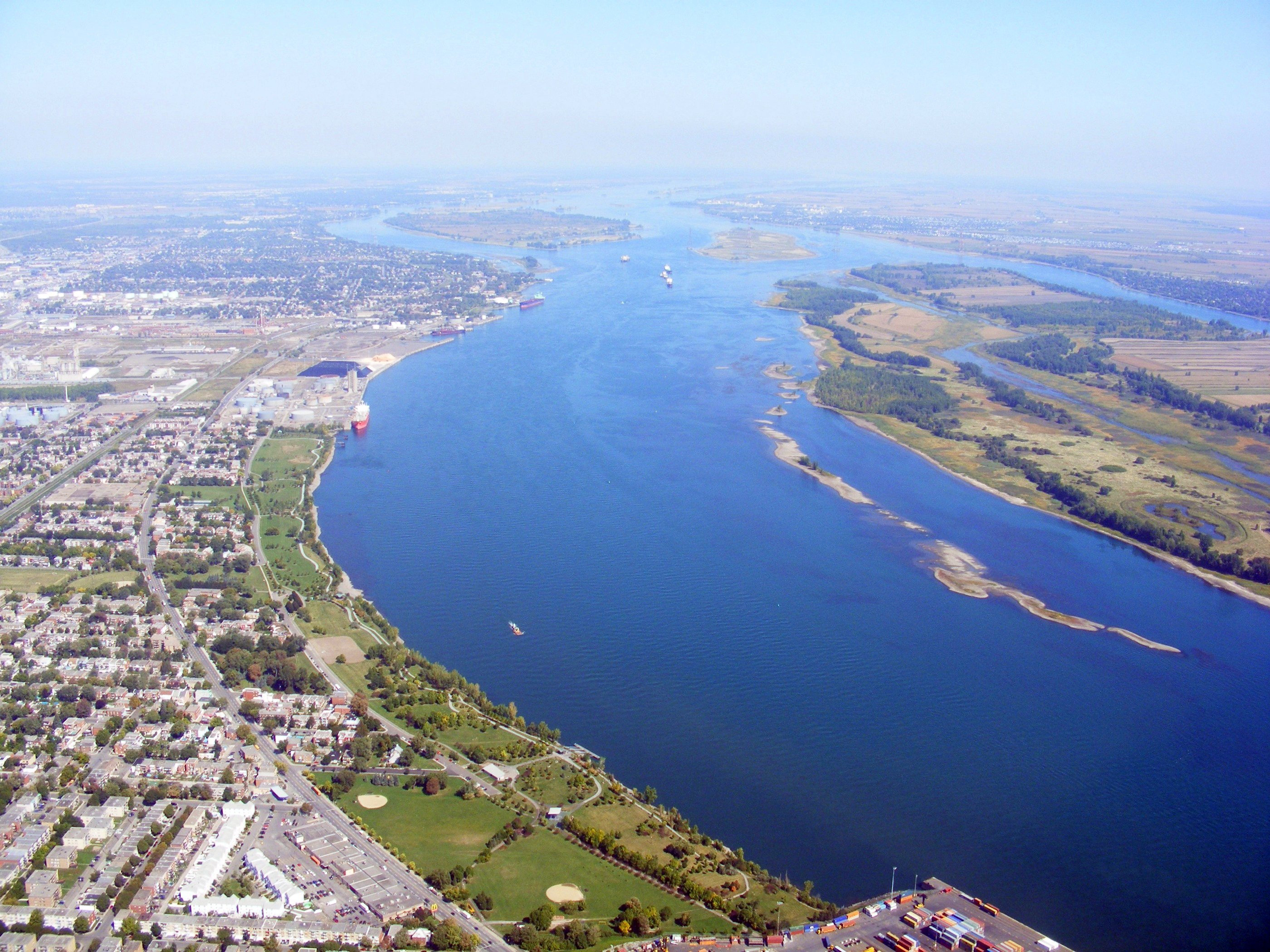
The Saint Lawrence River is a colossal waterway, a vital artery of North America that flows northeast from Lake Ontario, linking the vast Great Lakes Basin to…
Contents
- 🎵 Origins & History
- ⚙️ How It Works
- 📊 Key Facts & Numbers
- 👥 Key People & Organizations
- 🌍 Cultural Impact & Influence
- ⚡ Current State & Latest Developments
- 🤔 Controversies & Debates
- 🔮 Future Outlook & Predictions
- 💡 Practical Applications
- 📚 Related Topics & Deeper Reading
- Frequently Asked Questions
- References
- Related Topics
Overview
The Saint Lawrence River's story is etched in millennia of geological change and human history. Its current form is largely a product of the last glacial period, with meltwater carving out its path as glaciers retreated approximately 11,000 years ago. Indigenous peoples, including the Iroquois and Algonquin nations, were the first stewards of this river, utilizing it for sustenance and travel for thousands of years. European exploration began in the early 16th century, with Jacques Cartier claiming the river for France in 1535, naming it after Saint Lawrence, whose feast day was August 10th. The river quickly became the primary gateway for French colonization in New France, establishing settlements like Quebec City in 1608 and Montreal in 1642, fundamentally shaping the cultural and political landscape of North America. Control of the river was a recurring point of contention, particularly during the Seven Years' War, culminating in British dominance after the Battle of the Plains of Abraham in 1759.
⚙️ How It Works
The Saint Lawrence River functions as the ultimate drainage conduit for the immense Great Lakes Basin, a system covering approximately 765,000 square kilometers (295,000 sq mi). Water enters the river from Lake Ontario and flows generally northeast, its course influenced by underlying geological structures and glacial history. The river's gradient is relatively gentle for much of its length, but it features significant rapids, most notably the Lachine Rapids near Montreal, which historically posed navigational challenges. To overcome these, the Saint Lawrence Seaway was constructed, a monumental engineering feat involving canals, locks, and dams, completed in 1959. This system allows large ocean-going vessels to transit from the Atlantic all the way to Duluth, Minnesota, fundamentally altering global shipping patterns and the economies of the surrounding regions.
📊 Key Facts & Numbers
The sheer scale of the Saint Lawrence River is staggering. It carries an average discharge of approximately 10,400 cubic meters per second (367,000 cu ft/s), making it one of the largest rivers by volume on the continent. The river's length is roughly 3,058 kilometers (1,900 miles) from the headwaters of the St. Louis River (considered the most distant source of the Great Lakes-St. Lawrence system) to the Atlantic. The river supports a vast network of over 1,864 islands, famously known as the Thousand Islands region, a popular tourist destination. The estuary alone, stretching over 350 kilometers (220 miles), is the largest in the world, with an average width of 45 kilometers (28 miles) and a maximum depth of over 400 meters (1,300 ft). Annually, it supports the migration of millions of birds and is a critical habitat for numerous marine species, including several endangered whale populations.
👥 Key People & Organizations
Numerous individuals and organizations have played pivotal roles in the river's history and management. Jacques Cartier, the French explorer, was among the first Europeans to navigate its waters in the 16th century, laying claim for France. Samuel de Champlain further explored and mapped the region in the early 17th century, establishing key settlements. The Saint Lawrence Seaway Development Corporation (SLSDC) and its Canadian counterpart, the St. Lawrence Seaway Authority, were instrumental in the development and ongoing operation of the vital shipping channel. Environmental organizations like the Nature Conservancy Canada and the WWF-Canada are actively involved in protecting the river's delicate ecosystems and endangered species, particularly the beluga whales found in its estuary. Indigenous communities, such as the Mohawk Nation at Kahnawake, continue to advocate for their rights and environmental stewardship along the river.
🌍 Cultural Impact & Influence
The Saint Lawrence River has profoundly shaped the cultural and economic identity of North America. For centuries, it served as the primary highway for trade and settlement, fostering the growth of major cities like Montreal, Quebec City, and Kingston, Ontario. Its scenic beauty has inspired countless artists, writers, and musicians, becoming a recurring motif in Canadian art and literature, notably in the works of Lawren Harris and the Group of Seven. The river's industrial importance, particularly through the Saint Lawrence Seaway, has facilitated global commerce, connecting the industrial heartland of North America to international markets. However, this industrial activity has also led to significant environmental challenges, impacting water quality and biodiversity, creating a complex legacy of economic prosperity intertwined with ecological concern.
⚡ Current State & Latest Developments
In the early 21st century, the Saint Lawrence River faces a dynamic interplay of environmental pressures and economic demands. Ongoing efforts focus on mitigating the impacts of climate change, including rising water temperatures and altered flow patterns, which threaten its unique ecosystems. The Saint Lawrence Seaway continues to be a critical component of North American trade, with ongoing modernization projects aimed at increasing efficiency and capacity. Concerns over pollution from industrial discharge, agricultural runoff, and plastic waste remain significant, prompting stricter regulations and remediation efforts by bodies like the Environment and Climate Change Canada. The health of the river's iconic whale populations, particularly the beluga whales in the estuary, is a key indicator of the river's overall ecological well-being, with ongoing research and conservation initiatives.
🤔 Controversies & Debates
The Saint Lawrence River is not without its controversies, primarily centered around environmental impact and resource management. The construction of the Saint Lawrence Seaway in the 1950s, while a triumph of engineering, led to significant ecological disruption, including habitat loss and altered water levels that affected fish populations and coastal erosion. Pollution from industrial sites, agricultural runoff containing pesticides and fertilizers, and urban wastewater discharge have historically degraded water quality, leading to debates over cleanup responsibilities and the effectiveness of current regulations. The presence of invasive species, such as the quagga mussel, introduced through shipping, poses a constant threat to native biodiversity and infrastructure. Furthermore, the management of water levels and flow rates for navigation and hydroelectric power generation (via the Robert Moses Niagara Power Project and Massena power plants) often sparks debate among stakeholders regarding ecological impacts versus economic benefits.
🔮 Future Outlook & Predictions
The future of the Saint Lawrence River is poised at a critical juncture, shaped by global environmental trends and evolving human needs. Projections suggest that climate change will continue to impact water levels, potentially leading to more extreme flood and drought events, necessitating adaptive management strategies. The ongoing push for decarbonization in global shipping could see shifts in the Saint Lawrence Seaway's operational footprint, with potential for increased reliance on cleaner fuels or alternative transport methods. Efforts to restore and protect the river's biodiversity, particularly its endangered whale populations, are expected to intensify, potentially leading to expanded marine protected areas and stricter industrial discharge limits. Technological advancements in water monitoring and pollution control will likely play a crucial role in safeguarding the river's health for future generations, though the scale of the challenge remains immense.
💡 Practical Applications
The Saint Lawrence River's practical applications are vast and multifaceted, underpinning significant economic and logistical activities. Its primary role is as a major transportation artery, with the Saint Lawrence Seaway enabling bulk cargo, grain, iron ore, and manufactured goods to move between the North American interior and international markets. This facilitates trade for industries ranging from agriculture to manufacturing, supporting economies across multiple U.S. states and Canadian provinces. The river also serves as a critical source of freshwater for industrial processes, municipal water supplies, and agricultural irrigation in the surrounding regions. Furthermore, its abundant fish stocks have historically supported significant commercial and recreational fishing industries, although these are now subject to strict management due to conservation concerns. The river's scenic beauty and recreational opportunities, from kayaking and boating to whale watching, also contribute significantly to the tourism economy of the Thousand Islands and the estuary regions.
Key Facts
- Year
- Holocene epoch (current form)
- Origin
- North America
- Category
- nature
- Type
- place
Frequently Asked Questions
What is the primary function of the Saint Lawrence River?
The Saint Lawrence River's primary function is to serve as the main drainage outflow for the Great Lakes Basin, carrying water from Lake Ontario to the North Atlantic Ocean. It is also a crucial transportation route for global commerce, facilitated by the Saint Lawrence Seaway, and a vital ecosystem supporting diverse aquatic and terrestrial life.
How does the Saint Lawrence River connect the Great Lakes to the ocean?
The river connects the Great Lakes to the ocean through a system of canals, locks, and channels known as the Saint Lawrence Seaway. Completed in 1959, this engineering marvel allows large ocean-going vessels to navigate from the Atlantic Ocean inland to the upper Great Lakes, overcoming significant elevation changes and historical navigational barriers like the Lachine Rapids.
What makes the Saint Lawrence River estuary significant?
The estuary of the Saint Lawrence River is recognized as the largest in the world, stretching over 350 kilometers (220 miles). It is a critical biodiversity hotspot, providing essential habitat for millions of migratory birds and supporting endangered species, most notably the beluga whales of the Saguenay–St. Lawrence Marine Park. Its unique mix of freshwater and saltwater creates a complex environment supporting a wide range of marine life.
Who were the first people to inhabit the Saint Lawrence River region?
The first inhabitants of the Saint Lawrence River region were various Indigenous peoples, including the Iroquois and Algonquin nations, who utilized the river for thousands of years for sustenance, transportation, and settlement. Their deep historical and cultural connection to the river predates European arrival by millennia.
What are the main environmental challenges facing the Saint Lawrence River?
The main environmental challenges include pollution from industrial discharge, agricultural runoff (pesticides, fertilizers), and urban wastewater, which impact water quality and aquatic life. Invasive species, such as the quagga mussel, pose a threat to native ecosystems. Additionally, the effects of climate change, including altered water levels and temperatures, present ongoing concerns for the river's delicate balance.
How has the Saint Lawrence River impacted North American history and economy?
Historically, the river was the primary gateway for French colonization in New France, leading to the establishment of major cities like Quebec City and Montreal. Economically, the Saint Lawrence Seaway transformed it into a vital artery for global trade, connecting the industrial heartland of North America to international markets and significantly boosting commerce and industry throughout the region.
What is the future outlook for the Saint Lawrence River?
The future outlook involves continued efforts to balance economic activity with environmental stewardship. Key areas of focus include adapting to the impacts of climate change, enhancing pollution control measures, protecting endangered species like the beluga whale, and potentially modernizing the Saint Lawrence Seaway for greater efficiency and sustainability. International cooperation between Canada and the United States will be crucial for its long-term health.