Public Behavior: Navigating the Unwritten Rules | Vibepedia
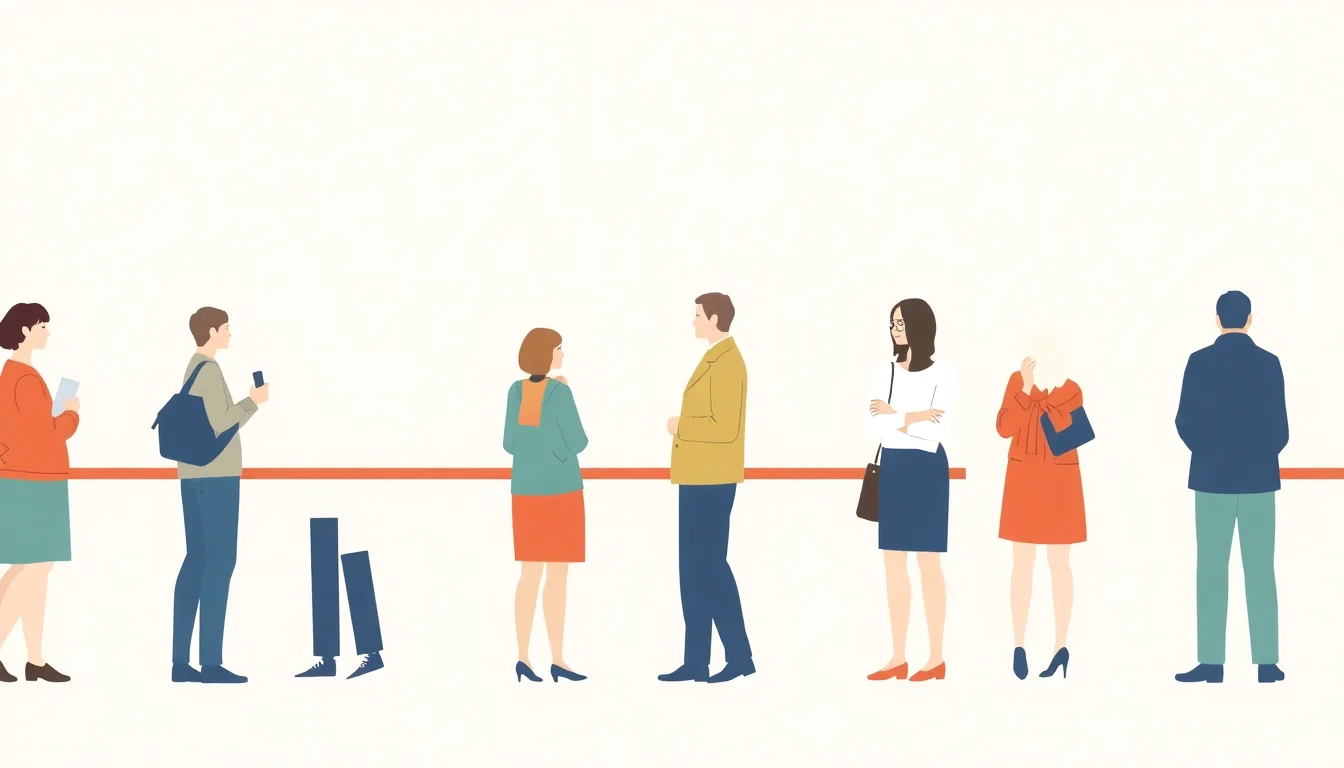
Public behavior encompasses the observable actions and interactions of individuals within shared spaces, both physical and digital. It's governed by a complex…
Contents
- 🗺️ What is Public Behavior?
- 👥 Who Needs This Guide?
- 📍 Navigating Social Spaces
- 🗣️ Decoding Non-Verbal Cues
- 📱 Digital Etiquette: The New Frontier
- ⚖️ The Controversy Spectrum
- 📈 Vibe Scores & Social Capital
- 💡 Key Takeaways for Real-World Application
- 🚀 Where to Go From Here
- Frequently Asked Questions
- Related Topics
Overview
Public behavior encompasses the observable actions and interactions of individuals within shared spaces, both physical and digital. It's governed by a complex interplay of social norms, cultural expectations, and situational context, often learned implicitly rather than explicitly taught. Understanding these unwritten rules is crucial for effective social navigation, from the mundane act of waiting in line to the more intricate dynamics of online communities. This guide breaks down the core elements of public behavior, highlighting its historical roots, contemporary manifestations, and the ongoing debates surrounding its evolution in an increasingly interconnected world.
🗺️ What is Public Behavior?
Public behavior is the aggregate of observable actions and interactions within shared spaces, governed by a complex, often unspoken, set of norms. It's the invisible architecture of social order, dictating everything from how we queue for coffee to how we react to public displays of emotion. Understanding these unwritten rules is crucial for seamless integration and avoiding faux pas. This isn't about rigid dogma; it's about recognizing the fluid, context-dependent nature of human interaction in the collective.
👥 Who Needs This Guide?
This guide is for anyone who's ever felt a flicker of uncertainty in a social setting, from the first-time traveler navigating a foreign city to the seasoned professional attending a high-stakes networking event. It's particularly vital for individuals on the autistic spectrum or those with anxiety who may find these implicit rules more challenging to decipher. If you've ever wondered why a certain interaction felt 'off' or how to project confidence without appearing arrogant, this resource is your primer.
🗣️ Decoding Non-Verbal Cues
Beyond words, non-verbal cues carry immense weight. A subtle nod can convey understanding, while a furrowed brow signals confusion or disapproval. Body language, such as crossed arms or slumped shoulders, can communicate defensiveness or disengagement, often contradicting spoken sentiments. Mastering the interpretation and deployment of these signals is key to effective communication.
📱 Digital Etiquette: The New Frontier
The digital realm has introduced a new layer of public behavior. From the etiquette of email threads and the tone of instant messages to the performative aspects of social media, online interactions demand their own set of unwritten rules. Misinterpreting a digital message can lead to significant misunderstandings, highlighting the need for a nuanced understanding of online norms.
⚖️ The Controversy Spectrum
The 'Controversy Spectrum' for public behavior ranges from universally accepted norms (e.g., not shouting in a library) to highly debated practices (e.g., the appropriate volume for music in shared workspaces). What is considered polite in one culture might be offensive in another. This guide acknowledges that there's no single, universally correct way to behave, but rather a spectrum of acceptable and unacceptable actions depending on the specific social and cultural milieu.
💡 Key Takeaways for Real-World Application
Ultimately, navigating unwritten rules is an ongoing process of observation, adaptation, and empathy. It requires a willingness to learn from both successes and failures. Focus on projecting respect, being mindful of others' comfort, and understanding that context is king. The goal isn't to be perfect, but to be a considerate and effective participant in the social world, both online and off.
🚀 Where to Go From Here
To begin refining your understanding of public behavior, start by actively observing interactions in your immediate environment. Pay attention to how people respond to different actions and adjust your own approach accordingly. For deeper insights, explore resources on anthropology and psychology. Consider engaging in structured social experiments, like attending events outside your usual comfort zone, to test your evolving social navigation skills.
Key Facts
- Year
- 1900
- Origin
- Sociology and Anthropology
- Category
- Social Dynamics
- Type
- Concept
Frequently Asked Questions
How do I know if I've broken an unwritten rule?
Look for subtle cues: averted gazes, a sudden silence, or a shift in body language from others. If multiple people seem uncomfortable or confused by your actions, it's a strong indicator. Sometimes, direct but polite feedback might be offered, but often, the correction is implicit. Reflecting on the situation afterward, considering the context and the reactions, is key to learning.
Are unwritten rules the same everywhere?
Absolutely not. Unwritten rules are highly context-dependent, varying significantly across cultures, subcultures, and even specific venues. What's acceptable in a bustling market in Marrakech might be jarring in a quiet Tokyo library. Recognizing and respecting these differences is fundamental to successful cross-cultural interaction.
How can I improve my ability to read social cues?
Active observation is paramount. Watch people's facial expressions, body language, and tone of voice, and compare them to their spoken words. Practice in low-stakes environments, like people-watching at a park or cafe. Engaging with resources on nonverbal communication and practicing listening can also sharpen your perception.
What's the difference between etiquette and unwritten rules?
Etiquette often refers to more formalized, codified sets of polite behaviors, often associated with specific social strata or occasions (e.g., formal dining etiquette). Unwritten rules are the broader, more fluid, and often implicit social norms that govern everyday interactions. Etiquette can be seen as a subset or a more structured manifestation of unwritten rules.
How important is personal space in public behavior?
Personal space, or proxemics, is a critical component of public behavior. Violating someone's perceived personal space can lead to discomfort, anxiety, or even perceived aggression, regardless of your intent. The 'correct' distance varies by culture and situation, making awareness and sensitivity essential.
Can technology change unwritten rules?
Undoubtedly. The rise of smartphones has altered norms around attention and presence in physical spaces. Social media platforms have created entirely new sets of unwritten rules for interaction, self-presentation, and community building. These digital norms are constantly evolving, often outpacing formal guidelines.