Prunus | Vibepedia
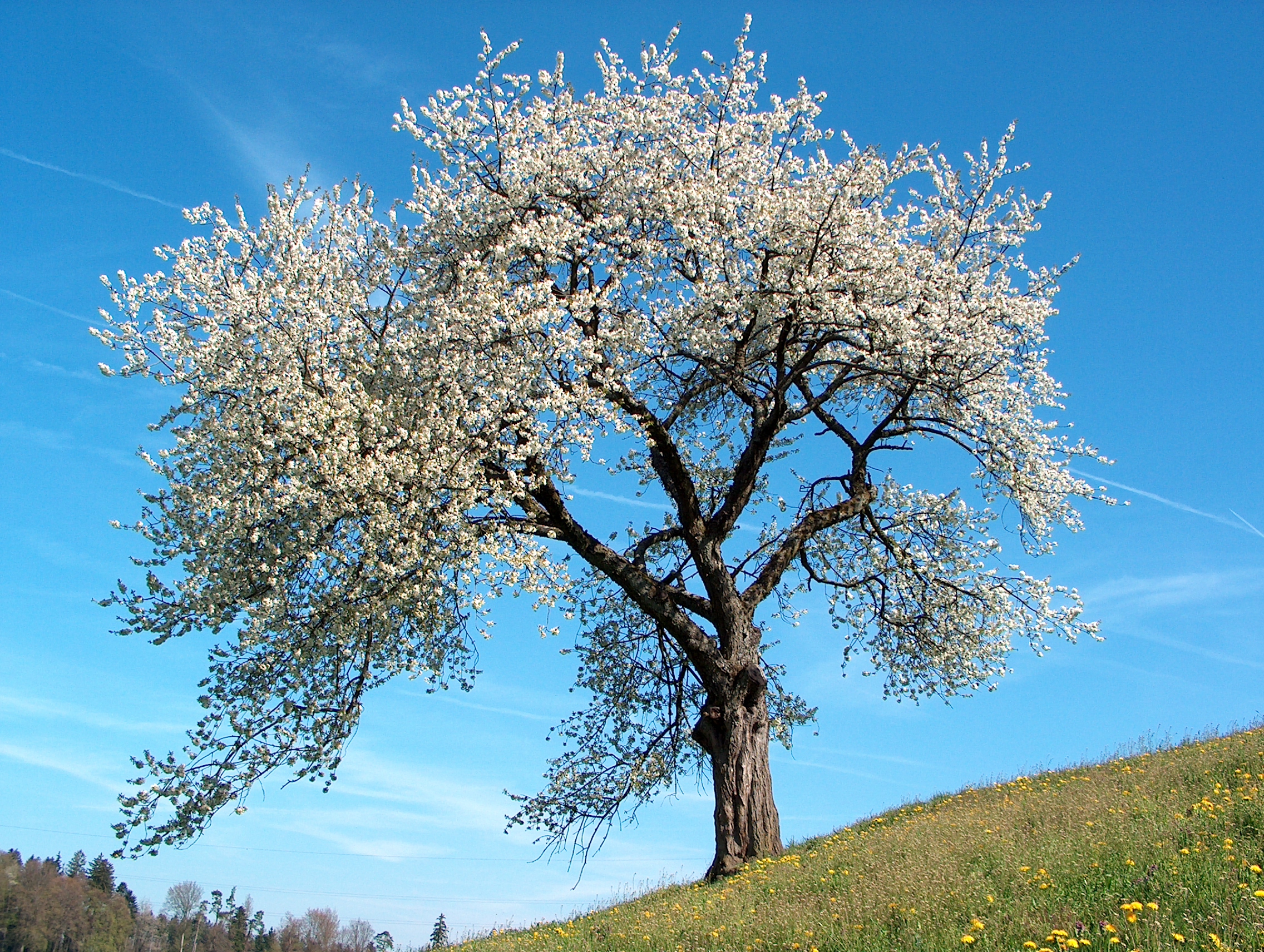
Prunus is a sprawling genus within the Rosaceae family, encompassing approximately 340 recognized species of trees and shrubs. This botanical dynasty is…
Contents
Overview
Prunus is a sprawling genus within the Rosaceae family, encompassing approximately 340 recognized species of trees and shrubs. This botanical dynasty is renowned globally for two primary contributions: its delectable stone fruits and its ornamental, often fragrant, blossoms. From the sweet flesh of peaches and plums to the crunchy kernel of almonds, and the ephemeral beauty of cherry blossoms, Prunus species are deeply woven into human culture and agriculture. Their distribution spans temperate and tropical regions across North America, Eurasia, and Africa, reflecting a remarkable evolutionary success. These plants are characterized by their drupe fruits, featuring a fleshy exterior surrounding a hard pit, a structure that defines their edible and sometimes toxic components. Beyond sustenance, the aesthetic appeal of Prunus flowers has cemented their place in art, poetry, and seasonal celebrations worldwide.
🎵 Origins & History
The genus Prunus traces its evolutionary lineage back millions of years. While its exact geographic cradle is debated among paleobotanists, its widespread presence across temperate and tropical Eurasia, Africa, and the Americas points to ancient dispersal events. Early human civilizations quickly recognized the value of Prunus species, with evidence of plum cultivation dating back to at least 4000 BCE in China and almond domestication occurring in the Near East around 3000 BCE. The Romans and Greeks extensively documented and cultivated various Prunus fruits, including peaches, which they mistakenly believed originated in Persia, hence the scientific name Prunus persica. This long history of interaction has led to extensive hybridization and cultivar development, blurring the lines between wild ancestors and cultivated varieties over millennia.
⚙️ Botanical Characteristics
At its core, Prunus is defined by its characteristic drupe fruit, a fleshy structure derived from a single carpel. This fruit typically consists of an exocarp (skin), mesocarp (fleshy edible part in most species), and an endocarp (hard, stony pit or pyrena) enclosing a single seed. The seeds of some species, like almonds (Prunus dulcis), are edible and highly nutritious, while others, such as apricot kernels (Prunus armeniaca), contain amygdalin, a cyanogenic glycoside that can be toxic if consumed in large quantities. The flowers are typically actinomorphic (radially symmetrical) with five petals and five sepals, often appearing in profuse clusters that create spectacular displays of white or pink. Leaf morphology varies, but many species exhibit serrated margins and prominent venation, often with glands at the base of the leaf or on the petiole.
📊 Key Facts & Numbers
The genus Prunus boasts an impressive scale, with approximately 340 accepted species and over 10,000 documented cultivars worldwide. Globally, the annual production of Prunus fruits is staggering, with stone fruits like peaches, plums, and cherries contributing billions of dollars to the agricultural economy. For instance, China alone produces over 15 million metric tons of peaches annually, making it the world's largest producer. Almonds, a key Prunus seed, see an annual global harvest exceeding 1.2 million metric tons, with the United States, primarily California, accounting for over 80% of this production. The ornamental value is equally significant, with millions of cherry trees planted in public spaces and private gardens, contributing to a global tourism industry centered around their spring bloom, particularly in Japan where the hanami tradition celebrates the cherry blossom season.
👥 Key Species & Cultivars
Within the vast Prunus genus, several species stand out due to their agricultural or cultural significance. The almond (Prunus dulcis) is unique for its edible seed rather than fleshy fruit. Peaches (Prunus persica) and nectarines (Prunus persica var. nucipersica) are prized for their sweet, juicy flesh. Plums (Prunus domestica and Prunus salicina) offer a wide range of flavors and colors, from tart to sweet. Cherries, including sweet cherries (Prunus avium) and sour cherries (Prunus cerasus), are popular for fresh consumption and baking. Ornamental cherries, such as the Japanese flowering cherry (Prunus serrulata) and the Yoshino cherry (Prunus × yedoensis), are celebrated for their breathtaking floral displays, with countless cultivars developed for specific bloom times and petal structures. The apricot (Prunus armeniaca) bridges the gap between fruit and ornamental value, with attractive spring blossoms.
🌍 Global Distribution & Cultivation
Prunus species exhibit a remarkable cosmopolitan distribution, thriving in temperate and subtropical zones across continents. They are native to regions spanning North America, South America, Eurasia, and Africa. This wide geographic spread is a testament to their adaptability. Major centers of cultivation include China for peaches and apricots, the United States (California) for almonds and cherries, Europe for plums and sour cherries, and Japan for ornamental cherries. The global trade in Prunus fruits and their products is substantial, with exports and imports shaping regional economies and dietary habits. The genus's ability to adapt to diverse climates, from the Mediterranean to continental interiors, has facilitated its integration into agricultural systems worldwide.
⚡ Modern Horticulture & Challenges
Modern horticulture continues to refine Prunus cultivation, focusing on disease resistance, yield optimization, and novel flavor profiles. Advanced grafting techniques and breeding programs, often involving institutions like the University of California, Davis, are crucial for developing new cultivars that can withstand pests like the oriental fruit moth and diseases such as brown rot. The increasing demand for stone fruits and almonds necessitates sustainable farming practices to mitigate environmental impact. Challenges include managing water resources, particularly in arid regions like California where almond farming is concentrated, and adapting to changing climate patterns that can affect flowering and fruit set. Research into gene editing and marker-assisted selection is accelerating the development of more resilient and productive varieties.
🤔 Controversies & Debates
The widespread cultivation and consumption of Prunus species are not without their controversies. The intensive agricultural practices required for high yields, especially in almond production, have drawn criticism regarding water usage and pesticide application, impacting local ecosystems and biodiversity. For instance, the reliance on bee pollination for many Prunus crops raises concerns about the health of bee populations, exacerbated by pesticide exposure and habitat loss. Furthermore, the toxicity of certain Prunus kernels, particularly apricot kernels, has led to regulatory scrutiny and public health warnings regarding cyanide poisoning. Debates also arise around the genetic modification of Prunus varieties, with some consumers and advocacy groups questioning the long-term effects and ethical implications of altering plant genomes.
🔮 Future Outlook & Predictions
The future of Prunus cultivation appears poised for continued innovation and adaptation. Expect to see a greater emphasis on drought-tolerant varieties and water-efficient irrigation techniques, driven by increasing water scarcity in key growing regions. Advances in precision agriculture, utilizing sensors and data analytics, will likely optimize resource management and pest control. The ornamental sector will continue to see the introduction of new cultivars with unique bloom colors, extended flowering periods, and improved hardiness. Furthermore, research into the health benefits of Prunus fruits and seeds, particularly their antioxidant and anti-inflammatory properties, may drive demand for specific cultivars. The ongoing exploration of wild Prunus relatives could also yield valuable genetic resources for breeding programs aimed at enhancing resilience and nutritional content.
💡 Culinary & Ornamental Uses
Prunus species are indispensable in both the culinary world and for aesthetic purposes. Their fruits are consumed fresh, dried, or processed into jams, jellies, juices, wines, and liqueurs. Almonds are a staple in confectionery, baking, and as a plant-based milk alternative. The ornamental value of species like the Japanese flowering cherry (Prunus serrulata) and the Yoshino cherry (Prunus × yedoensis) is immense, drawing millions of visitors annually to witness their spring blooms in places like Washington D.C. and Kyoto. The wood of some Prunus species, such as cherry wood (Prunus serotina), is also valued in furniture making and cabinetry for its rich color and fine grain. The cultural significance extends to symbolism, with cherry blossoms representing ephemerality and beauty in Japanese culture.
Key Facts
- Category
- nature
- Type
- topic