NFT Fashion | Vibepedia
NFT fashion represents the burgeoning intersection of digital ownership, wearable technology, and the aesthetic sensibilities of the 21st century. These…
Contents
Overview
NFT fashion represents the burgeoning intersection of digital ownership, wearable technology, and the aesthetic sensibilities of the 21st century. These non-fungible tokens grant verifiable ownership of unique digital garments, accessories, and even entire virtual wardrobes, transcending the limitations of physical clothing. While early iterations focused on static digital art pieces, the evolution of NFT fashion now encompasses dynamic, animated wearables for avatars in virtual worlds like Decentraland and The Sandbox, as well as augmented reality (AR) filters that overlay digital garments onto real-world users. The market, though volatile, has seen significant investment from luxury brands like Gucci and Louis Vuitton, alongside independent digital designers and platforms such as The Fabricant and RTFKT Studios. This innovation challenges traditional notions of scarcity, intellectual property, and the very definition of 'wearing' something, pushing the boundaries of self-expression in an increasingly digital existence.
🎵 Origins & History
The genesis of NFT fashion can be traced back to the early days of blockchain technology and the nascent concept of digital collectibles. Early pioneers like The Fabricant began creating entirely digital couture, pushing the boundaries of what was possible with 3D design and rendering. The acquisition of RTFKT Studios by Nike in December 2021 marked a significant validation of NFT fashion's potential, signaling a major sportswear brand's commitment to this emerging space. This historical trajectory shows a clear progression from static digital art to dynamic, interactive digital garments designed for virtual environments and AR experiences.
⚙️ How It Works
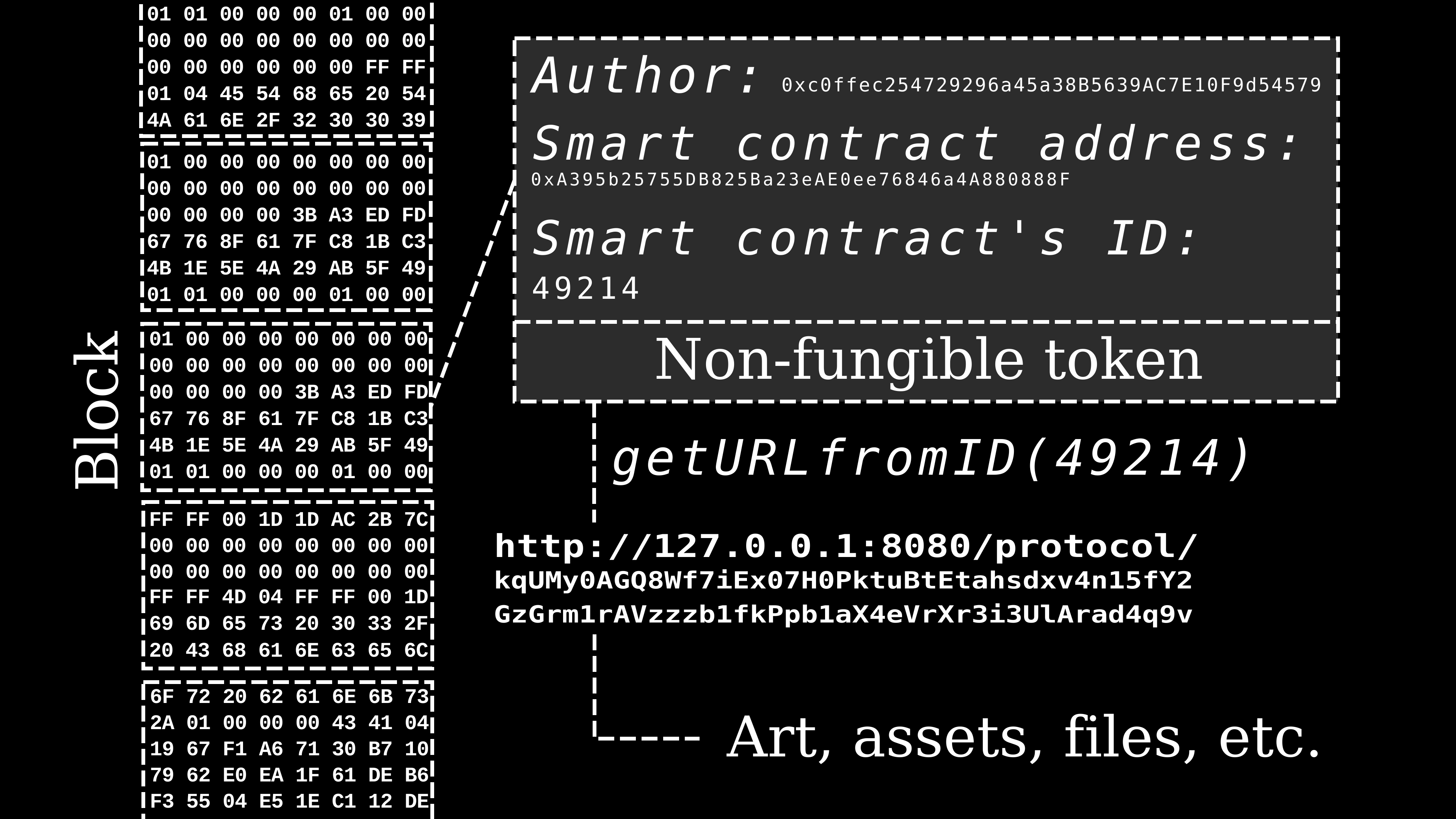
NFT fashion operates by leveraging blockchain technology to create unique, verifiable digital assets that represent ownership of a digital garment. When a digital fashion item is minted as an NFT, its metadata, including ownership history and a link to the digital asset (often a 3D model or animation), is recorded on a blockchain, typically Ethereum. This process ensures scarcity and authenticity, preventing unauthorized duplication. Users can then purchase these NFTs on marketplaces like OpenSea or Rarible. The digital garment can be displayed in a virtual wallet, worn by an avatar in a metaverse platform like Somnium Space, or utilized as an augmented reality filter through apps like Snapchat or Instagram. Ownership is transferable, allowing for resale and secondary markets, mirroring the dynamics of physical fashion.
📊 Key Facts & Numbers
The NFT fashion market, while still nascent, has shown significant growth and potential. Platforms like The Fabricant have sold digital garments, and RTFKT Studios has seen its digital sneaker NFTs sell out in minutes, often generating millions in revenue. Despite market fluctuations, the number of active NFT wallets engaging with fashion-related projects has remained robust, indicating sustained interest.
👥 Key People & Organizations
Several key individuals and organizations have shaped the NFT fashion landscape. The Fabricant, co-founded by Kerry Murphy, Danit Peleg, and Amber Slooten, is a pioneering digital fashion house that creates entirely virtual garments. RTFKT Studios, founded by Benoit Pagotto, Steven Vacher-Vauclair, and Chris Le, gained prominence for its hyper-realistic digital sneakers and subsequent acquisition by Nike. Digital Fashun is another notable platform facilitating the creation and sale of digital apparel. Major fashion houses like Gucci, Balenciaga, and Burberry have entered the space through collaborations and dedicated NFT drops, often partnering with metaverse platforms or NFT marketplaces. Nike's acquisition of RTFKT Studios stands as a monumental event, signaling mainstream industry acceptance.
🌍 Cultural Impact & Influence
NFT fashion is profoundly influencing how we perceive style, ownership, and self-expression. It offers creators new revenue streams and direct engagement with their audience, bypassing traditional gatekeepers. The ability to 'wear' digital items in virtual worlds and AR experiences is fostering new forms of social interaction and identity construction. This shift is not just about aesthetics; it's about building digital identities and communities around shared digital assets, impacting everything from gaming culture to social media presence. The concept of 'digital twins' for physical garments is also emerging, linking the metaverse to the material world.
⚡ Current State & Latest Developments
The current state of NFT fashion is characterized by rapid innovation and increasing mainstream adoption. Major brands continue to experiment with digital wearables, launching collections for virtual worlds and AR experiences. Platforms are developing more sophisticated tools for creating and deploying digital garments, making the process more accessible. The integration of NFTs into gaming and the metaverse is deepening, with digital fashion becoming an integral part of avatar customization and in-game economies. We're seeing a rise in 'phygital' offerings, where purchasing a physical item grants ownership of its digital NFT twin, and vice-versa. The focus is shifting from pure collectibles to functional digital apparel that enhances virtual experiences and digital identity.
🤔 Controversies & Debates
The controversies surrounding NFT fashion are multifaceted. Skeptics often point to the environmental impact of certain blockchains, particularly Ethereum before its transition to Proof-of-Stake, due to their high energy consumption. The transition of Ethereum to Proof-of-Stake addressed these environmental concerns. The speculative nature of the NFT market, with its potential for price volatility and 'rug pulls' (where creators abandon projects after selling NFTs), raises concerns about consumer protection and investment risks. Furthermore, questions about intellectual property rights, copyright infringement, and the true ownership of digital assets persist, especially when NFTs are linked to designs that may not be fully original. The perceived exclusivity and high cost of some digital fashion pieces also draw criticism for perpetuating the same inequalities found in the physical fashion industry.
🔮 Future Outlook & Predictions
The future of NFT fashion is poised for significant expansion and integration. We can anticipate more seamless interoperability between different metaverse platforms, allowing digital garments to be worn across various virtual worlds. The development of advanced AR technologies will likely lead to more sophisticated and realistic digital fashion overlays in the real world. Expect to see a greater emphasis on sustainability, with blockchains prioritizing energy efficiency and designers exploring eco-friendly digital creation processes. The lines between physical and digital fashion will continue to blur, with 'phygital' experiences becoming commonplace. Furthermore, the rise of decentralized autonomous organizations (DAOs) in fashion could empower communities to collectively design, own, and govern digital fashion brands, fundamentally altering industry structures.
💡 Practical Applications
NFT fashion has several practical applications, primarily centered around digital identity and virtual experiences. Avatars in games and metaverses can be customized with unique NFT clothing, allowing for personal expression and status signaling within these digital environments. Brands are using NFTs to create exclusive digital merchandise, offer loyalty rewards, and engage customers in novel ways. Augmented reality filters on social media platforms allow users to 'try on' digital garments virtually, enhancing social media content and personal branding. Furthermore, digital fashion can serve as a sustainable alternative for fashion experimentation, allowing designers and consumers to explore styles without the environmental impact of physical production. Some NFTs also grant access to exclusive communities or events, both digital and physical.
Key Facts
- Category
- culture
- Type
- topic