New York City Music Scene | Vibepedia
The New York City music scene is a sprawling, dynamic ecosystem that has profoundly shaped global popular music for over a century. It's not a single entity…
Contents
Overview
The genesis of New York City's musical dominance can be traced back to the early 20th century, fueled by the burgeoning [[Tin Pan Alley|Tin Pan Alley]] music publishing industry and the theatrical innovations of [[Broadway|Broadway]]. This era laid the groundwork for a city that would become a magnet for talent. The 1940s saw the birth of [[bebop|bebop]] in Harlem's jazz clubs, spearheaded by visionaries such as [[charlie-parker|Charlie Parker]] and [[dizzy-gillespie|Dizzy Gillespie]]. Simultaneously, the city's vibrant Latino communities, particularly in [[El Barrio|Spanish Harlem]] and the [[Bronx|Bronx]], fused Cuban and Puerto Rican rhythms to create [[salsa music|salsa]]. The post-war period witnessed the rise of [[doo-wop|doo-wop]] on street corners and the emergence of [[folk music|folk music]] scenes in Greenwich Village, attracting artists like [[bob-dylan|Bob Dylan]]. The 1970s were defined by the gritty energy of [[punk rock|punk rock]] emanating from venues like [[cbgb|CBGB]], alongside the birth of [[disco|disco]] in clubs like [[studio-54|Studio 54]], and the foundational beats of [[hip-hop|hip-hop]] being forged in [[The Bronx|Bronx]] block parties.
⚙️ How It Works
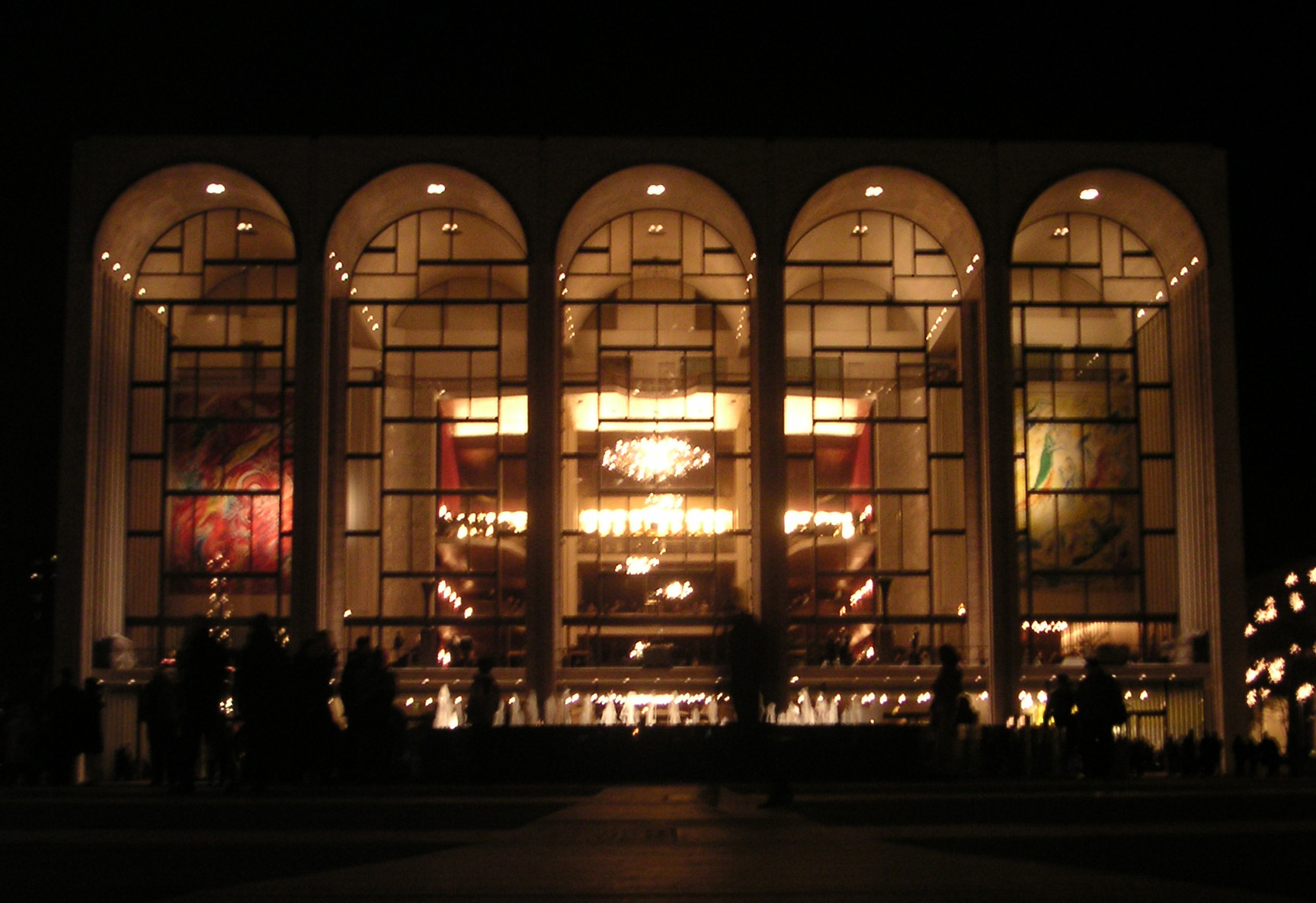
The New York City music scene operates as a complex, interconnected network rather than a monolithic entity. Its 'machinery' comprises a diverse array of elements: intimate [[jazz clubs|jazz clubs]] in Greenwich Village, sprawling arenas like [[madison-square-garden|Madison Square Garden]], underground electronic music venues in Brooklyn, and the historic concert halls of Lincoln Center. The scene thrives on a constant influx of artists, many drawn by the city's reputation and the sheer density of opportunities. Record labels, both major and independent, have long been headquartered here, alongside music publishers, booking agencies, and media outlets, creating a robust infrastructure. Crucially, the city's diverse population acts as a perpetual incubator for new sounds, with immigrant communities and distinct neighborhood cultures continuously cross-pollinating to generate novel genres and styles. The accessibility of public transportation, particularly the [[New York City Subway|subway]], facilitates the movement of artists and fans across boroughs, fostering cross-pollination.
📊 Key Facts & Numbers
New York City hosts an estimated 30,000 musicians, with over 10,000 performing live each week. The city is home to over 500 active music venues, ranging from iconic institutions like [[carnegie-hall|Carnegie Hall]] to underground clubs that host multiple shows nightly. The music industry in the NYC metropolitan area generates an estimated $30 billion annually. Over 150,000 jobs are directly or indirectly related to music in the city. Approximately 40% of the music produced in the United States originates from or passes through New York City's studios and creative hubs. The city has produced over 50 Grammy Award-winning artists in the last decade alone, reflecting its continued dominance in music creation and performance.
👥 Key People & Organizations
Key figures are legion, but some stand out for their foundational impact. [[dj-kool-herc|DJ Kool Herc]], often credited as the 'father of hip-hop,' pioneered the breakbeat technique at Bronx parties in the early 1970s. [[charlie-parker|Charlie Parker]] and [[dizzy-gillespie|Dizzy Gillespie]] revolutionized jazz with bebop in the 1940s. [[andy-warhol|Andy Warhol]]'s [[the-velvet-underground|The Velvet Underground]] and his [[the-factory|Factory]] became synonymous with the avant-garde rock scene of the 1960s. [[judy-garland|Judy Garland]]'s iconic performances on Broadway and in film cemented the city's status as a musical theater capital. Organizations like the [[lincoln-center-for-the-performing-arts|Lincoln Center for the Performing Arts]] and the [[village-vanguard|Village Vanguard]] have been crucial in preserving and presenting diverse musical traditions. More recently, artists like [[jay-z|Jay-Z]] have leveraged the city's cultural capital to build global empires, while collectives like [[death-grips|Death Grips]] (though not NYC-based, heavily influenced by its ethos) push sonic boundaries.
🌍 Cultural Impact & Influence
The influence of the New York City music scene is immeasurable, permeating virtually every corner of global popular culture. Its innovations in [[hip-hop|hip-hop]] alone have reshaped music production, lyrical delivery, and fashion worldwide. The raw, DIY spirit of [[punk rock|punk rock]] birthed in the city's clubs inspired countless independent music movements. [[Disco|Disco]]'s infectious rhythms and inclusive ethos laid the groundwork for electronic dance music genres that dominate today's charts. Broadway musicals continue to set standards for theatrical storytelling through song, influencing stage productions globally. The city's role as a melting pot has also led to the global dissemination of genres like [[salsa music|salsa]] and [[klezmer|klezmer]], introducing them to wider audiences. The very aesthetic of urban cool, often associated with New York, is inextricably linked to its musical output, from the jazz cats of the mid-century to the hip-hop moguls of today.
⚡ Current State & Latest Developments
As of 2024, the New York City music scene remains a vibrant, albeit evolving, entity. While gentrification has shuttered many legendary venues like [[cbgb|CBGB]] and [[the-knitting-factory|The Knitting Factory]], new spaces are constantly emerging, particularly in Brooklyn and Queens. The rise of streaming platforms like [[spotify|Spotify]] and [[apple-music|Apple Music]] has democratized distribution but also intensified competition. Live music attendance is strong, with major tours frequently stopping at venues like [[brooklyn-steel|Brooklyn Steel]] and [[terminal-5|Terminal 5]]. There's a notable resurgence in interest in genres like [[jazz fusion|jazz fusion]] and [[experimental music|experimental music]], often blending traditional sounds with electronic elements. The city continues to be a major hub for music production, with numerous studios and a high concentration of industry professionals, though the economic pressures of living in NYC remain a significant challenge for emerging artists.
🤔 Controversies & Debates
The New York City music scene is not without its controversies. A persistent debate revolves around gentrification and the displacement of artists and venues. The closure of iconic spaces like [[cbgb|CBGB]] in 2006 and [[the-knitting-factory|The Knitting Factory]]'s various iterations highlights the economic pressures that threaten the city's musical heritage. Another point of contention is the perceived commercialization of genres that originated in underground scenes, with critics arguing that mainstream adoption dilutes their original spirit. The debate over authenticity versus commercial success is ongoing, particularly within genres like [[hip-hop|hip-hop]] and [[electronic dance music|EDM]]. Furthermore, questions persist about equitable access to resources and opportunities for artists from diverse socioeconomic and racial backgrounds within the city's music industry.
🔮 Future Outlook & Predictions
The future of the New York City music scene hinges on its ability to adapt to technological shifts and economic realities. Expect continued innovation in digital distribution and immersive live experiences, potentially leveraging [[virtual-reality|virtual reality]] and [[augmented-reality|augmented reality]]. The city's role as a cultural incubator will likely persist, with new genres and subcultures emerging from its diverse neighborhoods. However, the challenge of affordability for artists and venues will remain paramount. We might see a greater decentralization of iconic scenes, with artists finding sustainable creative hubs in outer boroughs or even other cities. The ongoing tension between preserving historical musical legacies and embracing radical new sounds will continue to define NYC's sonic trajectory, potentially leading to hybrid genres that blend its rich past with futuristic experimentation.
💡 Practical Applications
The principles and practices honed within the New York City music scene have broad practical applications. The innovative marketing and branding strategies developed by artists like [[jay-z|Jay-Z]] and [[p-diddy|Puff Daddy]] are studied in business schools. The organizational models of independent music collectives and DIY venues offer blueprints for community-based projects in various fields. The storytellin
Key Facts
- Category
- culture
- Type
- topic