Mythical Creature | Vibepedia
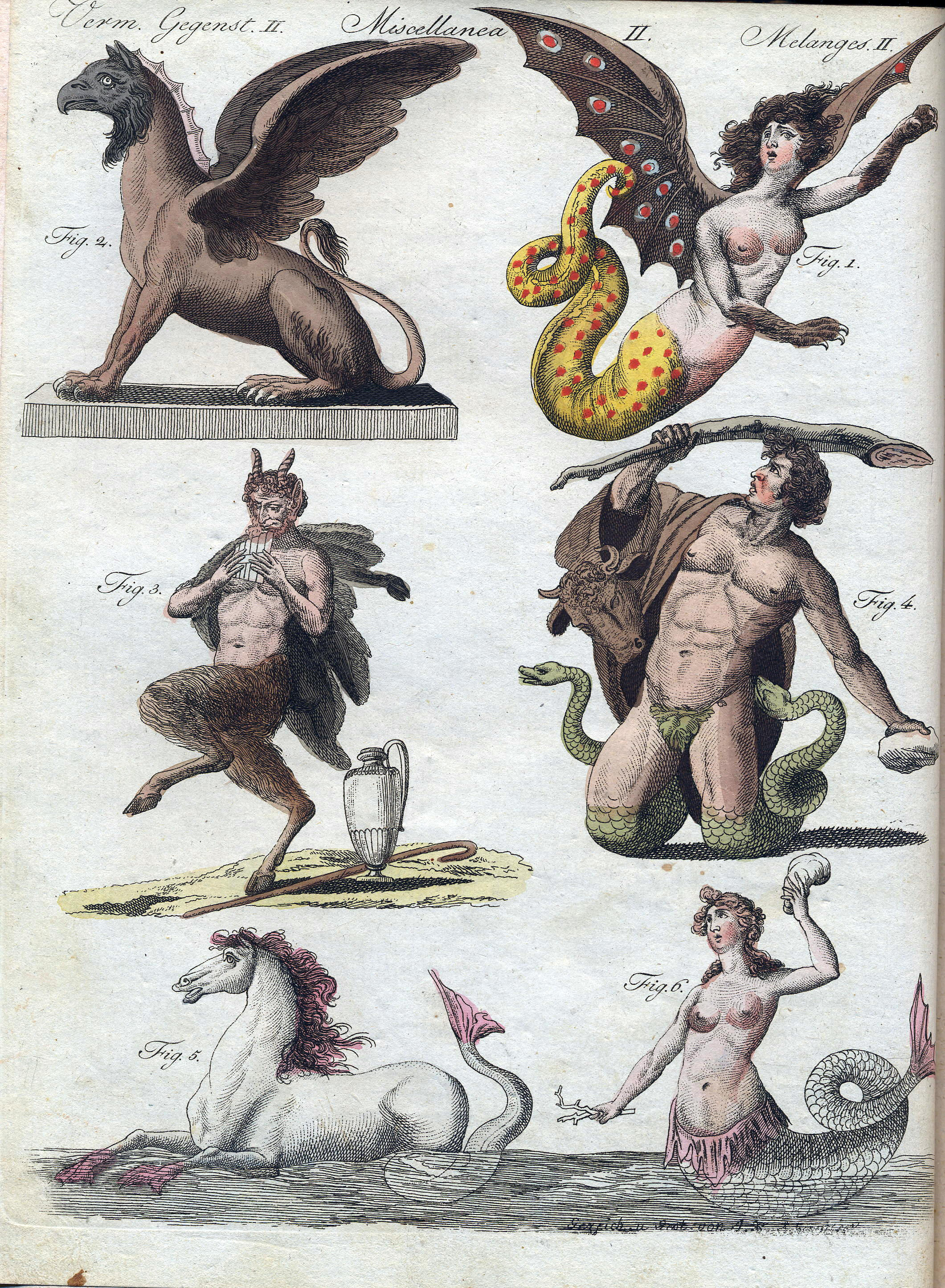
Mythical creatures are supernatural beings, often hybrids of known animals or humans, whose existence remains unproven by science but is deeply embedded in…
Contents
Overview
Mythical creatures are supernatural beings, often hybrids of known animals or humans, whose existence remains unproven by science but is deeply embedded in human folklore, mythology, and legend. These entities, ranging from the fearsome dragons and griffins to the benevolent unicorns and phoenixes, have served as potent symbols, cautionary tales, and sources of wonder across cultures and millennia. Their narratives, often originating from ancient oral traditions, travelers' exaggerated tales, or attempts to explain natural phenomena, have been documented in texts from Homer's Odyssey to medieval bestiaries and continue to inspire art, literature, and popular culture. The study of mythical creatures, or cryptozoology, while often on the fringes of scientific inquiry, reveals much about human imagination, societal anxieties, and the enduring desire to believe in the extraordinary.
🎵 Origins & History
Early myths often featured hybrid beings, such as the Sphinx or the Tiamat, embodying cosmic forces or natural phenomena. In classical antiquity, figures like the Cyclops and Minotaur populated heroic epics, serving as formidable obstacles for protagonists. Later, scholars like Pliny the Elder in his Naturalis Historia documented creatures like the unicorn and manticore, blurring the lines between legend and perceived natural history. Medieval bestiaries, such as the Physiologus, codified creatures and imbued them with Christian allegorical meanings, solidifying their place in the Western imagination for centuries. The widespread belief in creatures like dragons and basilisks persisted well into the early modern period, influencing everything from heraldry to early scientific exploration.
⚙️ How It Works
Mythical creatures operate on principles that defy conventional biology and physics, existing primarily within the narrative and imaginative frameworks of folklore and mythology. Their 'mechanics' are dictated by the stories they inhabit: dragons breathe fire, griffins possess the strength of lions and the speed of eagles, and mermaids navigate the ocean depths with human-like intelligence. Their abilities often serve symbolic purposes, representing chaos, purity, wisdom, or power. The 'how' of their existence is less about biological plausibility and more about their function within a cultural context, whether as divine messengers, monstrous threats, or embodiments of the unknown. The persistence of these creatures in human consciousness suggests a deep psychological resonance, fulfilling needs for wonder, fear, and the exploration of the impossible.
📊 Key Facts & Numbers
While definitive scientific proof of mythical creatures is absent, their presence in human culture is significant. Key figures in the study and documentation of mythical creatures include ancient writers like Homer, who described the Scylla and Charybdis in the Odyssey, and Aristotle, who discussed legendary beasts in his zoological works. Medieval scholars such as Isidore of Seville compiled encyclopedic accounts in works like Etymologiae. More recently, figures like Charles Fort popularized the study of anomalous phenomena, including alleged sightings of unknown creatures. The Society for Cryptozoology is now defunct, but organizations like the International Cryptozoology Museum in Portland, Maine, have dedicated themselves to researching and cataloging these entities. Contemporary authors and artists, such as J.R.R. Tolkien with his Middle-earth bestiary, and filmmakers behind franchises like Harry Potter, continue to shape the modern perception of mythical beings.
👥 Key People & Organizations
Mythical creatures have profoundly influenced global culture, shaping art, literature, religion, and even scientific inquiry. They serve as powerful archetypes, from the dragon as a symbol of chaos and evil in many Western traditions to a benevolent force of luck and power in East Asian cultures. Their imagery is ubiquitous in heraldry, religious iconography, and national symbols. In literature, they are central to genres like fantasy and mythology, providing narrative conflict and wonder, as seen in works from The Epic of Gilgamesh to modern novels. The imagery of creatures like the unicorn and phoenix has remained remarkably consistent for centuries, demonstrating their enduring cultural resonance. Their narratives often explore themes of the unknown, the monstrous, and the divine, reflecting and shaping societal values and anxieties across diverse cultures.
🌍 Cultural Impact & Influence
In 2024, mythical creatures remain vibrantly alive in popular culture, driven by digital media and renewed interest in folklore. Streaming platforms host numerous series and films featuring these beings, from the dragons of House of the Dragon to the magical creatures of Fantastic Beasts and Where to Find Them. Online communities on platforms like Reddit and Tumblr dedicate significant space to discussing, illustrating, and theorizing about mythical beings, fostering a continuous evolution of their lore. The rise of AI-generated art has also led to novel visual interpretations of classic creatures, pushing aesthetic boundaries. Furthermore, renewed academic interest in mythology and folklore, particularly concerning indigenous traditions, continues to unearth and re-contextualize lesser-known mythical beings, ensuring their ongoing relevance in the 21st century.
⚡ Current State & Latest Developments
The controversy surrounding mythical creatures lies in the debate between folklore enthusiasts and scientific skeptics regarding their potential reality. While cryptozoologists, such as the late Bernard Heuvelmans, have argued for the existence of creatures like the Loch Ness Monster based on anecdotal evidence and alleged sightings, the scientific community largely dismisses these claims due to a lack of verifiable physical evidence. Critics argue that many accounts can be explained by misidentification of known animals, natural phenomena, or outright hoaxes. The classification of mythical creatures also sparks debate: are they purely products of imagination, or could some be distorted memories of extinct animals or misunderstood biological phenomena? This tension between belief and skepticism fuels ongoing discussion and research.
🤔 Controversies & Debates
The future of mythical creatures appears secure, deeply interwoven with humanity's capacity for imagination and storytelling. As technology advances, virtual and augmented reality platforms will offer increasingly immersive experiences with these beings, from interactive games featuring centaurs and satyrs to educational VR tours of mythological realms. AI may also play a role in generating new interpretations or even 'discovering' patterns in folklore that suggest previously unrecognized mythical entities. While scientific proof remains elusive, the cultural significance of mythical creatures is unlikely to wane. Instead, they will continue to evolve, adapting to new media and reflecting contemporary societal concerns, ensuring their presence in human culture for generations to come, perhaps even influencing future generations' understanding of the natural world.
🔮 Future Outlook & Predictions
Mythical creatures find practical application primarily in the realms of entertainment, education, and symbolic representation. They are cornerstones of the fantasy genre in literature, film, and video games, driving multi-billion dollar industries through characters like orcs, elves, and dwarves. In education, they serve as engaging tools for teaching mythology, cultural history, and comparative literature, helping students understand diverse worldviews. Symbolically, creatures like the phoenix represent rebirth and resilience, the lion sign
Key Facts
- Category
- culture
- Type
- topic