Monarch Butterflies | Vibepedia
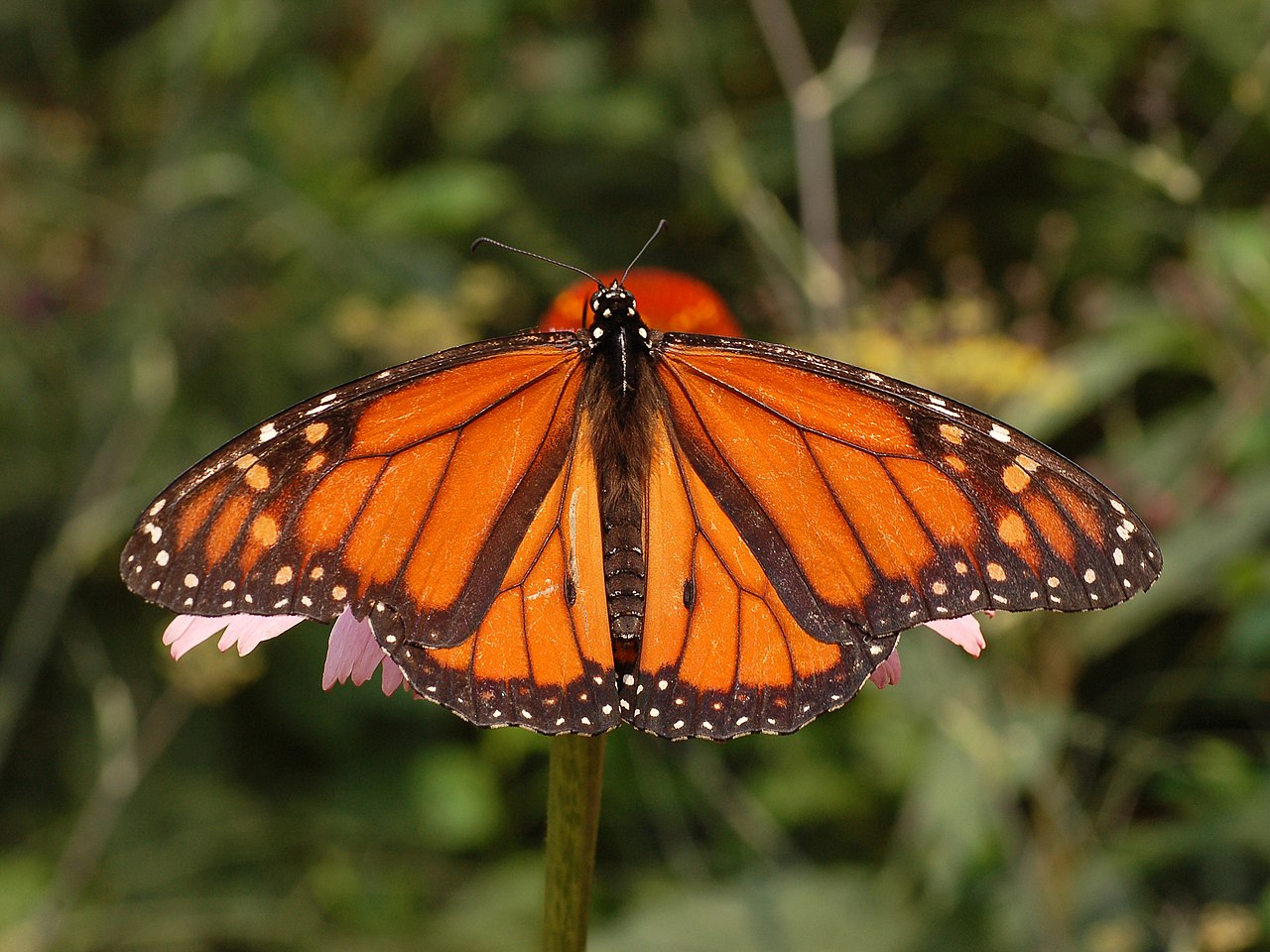
Monarch butterflies are one of the most recognizable and beloved insect species in the world, known for their distinctive orange and black wings and their…
Contents
Overview
Monarch butterflies are one of the most recognizable and beloved insect species in the world, known for their distinctive orange and black wings and their incredible migratory journey from Canada to Mexico each year. With a vibe score of 8, monarch butterflies have captured the hearts of many, inspiring numerous conservation efforts and scientific studies. However, their populations have been declining due to habitat loss, pesticide use, and climate change, sparking controversy and debate among environmentalists and policymakers. The monarch butterfly's life cycle is complex, involving four generations and a unique relationship with milkweed plants, which are the only food source for their caterpillars. Despite the challenges they face, monarch butterflies continue to fascinate and inspire people around the world, with many organizations and individuals working to protect and preserve their habitats. As the monarch butterfly population continues to decline, it is essential to address the ongoing controversy surrounding their conservation and the impact of human activities on their migration patterns.
🦋 Introduction to Monarch Butterflies
The monarch butterfly, also known as the monarch, is a type of milkweed butterfly in the family Nymphalidae. With its distinctive black, orange, and white pattern, it is one of the most recognizable butterflies in North America. The monarch butterfly plays a crucial role in the ecosystem as an iconic pollinator, although it is not an especially effective pollinator of milkweeds. For more information on pollinators, visit the Pollinators page. To learn about the importance of milkweeds, check out the Milkweed article.
📍 Habitat & Distribution
Monarch butterflies can be found in various habitats, including meadows, forests, and gardens. They are widely distributed across North America, with a range that spans from Canada to Mexico. The monarch butterfly's habitat and distribution are closely tied to the availability of milkweeds, which are the primary food source for their caterpillars. For more information on the habitats of monarch butterflies, visit the Habitats page. To learn about the distribution of monarch butterflies, check out the Distribution article.
🐝 Life Cycle & Migration
The life cycle of a monarch butterfly consists of four stages: egg, larva, pupa, and adult. The monarch butterfly's migration pattern is also unique, with some populations migrating thousands of miles each year to overwinter in California and Mexico. This migration is considered one of the most impressive insect migrations in the world. For more information on the life cycle of monarch butterflies, visit the Life Cycle page. To learn about the migration patterns of monarch butterflies, check out the Migration article.
🌿 Diet & Pollination
Monarch butterflies feed on nectar from a variety of flowers, including zinnias, sunflowers, and marigolds. While they are not especially effective pollinators of milkweeds, they do play a role in pollinating other flowers. The monarch butterfly's diet and pollination habits are closely tied to the availability of flowers and host plants. For more information on the diet of monarch butterflies, visit the Diet page. To learn about the pollination habits of monarch butterflies, check out the Pollination article.
🔬 Unique Characteristics
One of the most distinctive features of the monarch butterfly is its unique wing pattern, which features a black, orange, and white color scheme. The monarch butterfly's wingspan ranges from 8.9–10.2 cm (3.5–4.0 in), making it a relatively large butterfly. The monarch butterfly is also a müllerian mimic, meaning that it has evolved to resemble other toxic or distasteful species, such as the viceroy butterfly. For more information on the unique characteristics of monarch butterflies, visit the Characteristics page. To learn about the müllerian mimicry of monarch butterflies, check out the Müllerian Mimicry article.
📸 Identification & Similar Species
The monarch butterfly can be identified by its distinctive wing pattern, which features a black, orange, and white color scheme. The monarch butterfly is often confused with the viceroy butterfly, which is similar in color and pattern but is markedly smaller and has an extra black stripe across each hindwing. For more information on how to identify monarch butterflies, visit the Identification page. To learn about the similar species of monarch butterflies, check out the Similar Species article.
🌎 Conservation Status
The monarch butterfly is considered an endangered species due to habitat loss, pesticide use, and climate change. Conservation efforts are underway to protect the monarch butterfly and its habitats, including the creation of monarch butterfly sanctuaries and the promotion of milkweed conservation. For more information on the conservation status of monarch butterflies, visit the Conservation Status page. To learn about the conservation efforts for monarch butterflies, check out the Conservation Efforts article.
💡 Interesting Facts
One of the most interesting facts about monarch butterflies is their unique migration pattern, which involves thousands of miles of travel each year. Monarch butterflies are also known for their distinctive wing pattern, which features a black, orange, and white color scheme. For more information on interesting facts about monarch butterflies, visit the Interesting Facts page. To learn about the unique characteristics of monarch butterflies, check out the Unique Characteristics article.
📚 Research & Studies
Research and studies on monarch butterflies are ongoing, with scientists working to understand the monarch butterfly's migration patterns, diet, and conservation status. For more information on research and studies on monarch butterflies, visit the Research page. To learn about the latest studies on monarch butterflies, check out the Studies article.
👥 Community Involvement
The monarch butterfly is an important species that requires community involvement to protect and conserve. Individuals can get involved by creating monarch butterfly-friendly gardens, participating in citizen science projects, and supporting conservation organizations. For more information on how to get involved, visit the Community Involvement page. To learn about the importance of community involvement, check out the Importance of Community Involvement article.
Key Facts
- Year
- 2019
- Origin
- North America
- Category
- Environmental Science
- Type
- Species
Frequently Asked Questions
What is the average lifespan of a monarch butterfly?
The average lifespan of a monarch butterfly is around 2-6 weeks, although some individuals may live up to 8-9 months. For more information on the lifespan of monarch butterflies, visit the Lifespan page. To learn about the factors that affect the lifespan of monarch butterflies, check out the Factors Affecting Lifespan article.
What is the main food source for monarch butterfly caterpillars?
The main food source for monarch butterfly caterpillars is milkweeds. For more information on the diet of monarch butterfly caterpillars, visit the Diet of Caterpillars page. To learn about the importance of milkweeds for monarch butterflies, check out the Importance of Milkweeds article.
How can I attract monarch butterflies to my garden?
To attract monarch butterflies to your garden, plant milkweeds and other flowers that are rich in nectar. For more information on how to attract monarch butterflies to your garden, visit the Attracting Monarch Butterflies page. To learn about the best plants for attracting monarch butterflies, check out the Best Plants for Monarch Butterflies article.
What is the current conservation status of the monarch butterfly?
The monarch butterfly is considered an endangered species due to habitat loss, pesticide use, and climate change. For more information on the conservation status of the monarch butterfly, visit the Conservation Status page. To learn about the conservation efforts for monarch butterflies, check out the Conservation Efforts article.
How can I get involved in monarch butterfly conservation?
You can get involved in monarch butterfly conservation by creating monarch butterfly-friendly gardens, participating in citizen science projects, and supporting conservation organizations. For more information on how to get involved, visit the Community Involvement page. To learn about the importance of community involvement, check out the Importance of Community Involvement article.
What is the unique characteristic of the monarch butterfly's wing pattern?
The monarch butterfly's wing pattern features a black, orange, and white color scheme, with a wingspan of 8.9–10.2 cm (3.5–4.0 in). For more information on the unique characteristics of the monarch butterfly's wing pattern, visit the Unique Characteristics page. To learn about the importance of the monarch butterfly's wing pattern, check out the Importance of Wing Pattern article.
How does the monarch butterfly's migration pattern work?
The monarch butterfly's migration pattern involves thousands of miles of travel each year, with some populations migrating to overwinter in California and Mexico. For more information on the monarch butterfly's migration pattern, visit the Migration Pattern page. To learn about the factors that affect the monarch butterfly's migration pattern, check out the Factors Affecting Migration article.