Ministry of Business, Innovation and Employment | Vibepedia
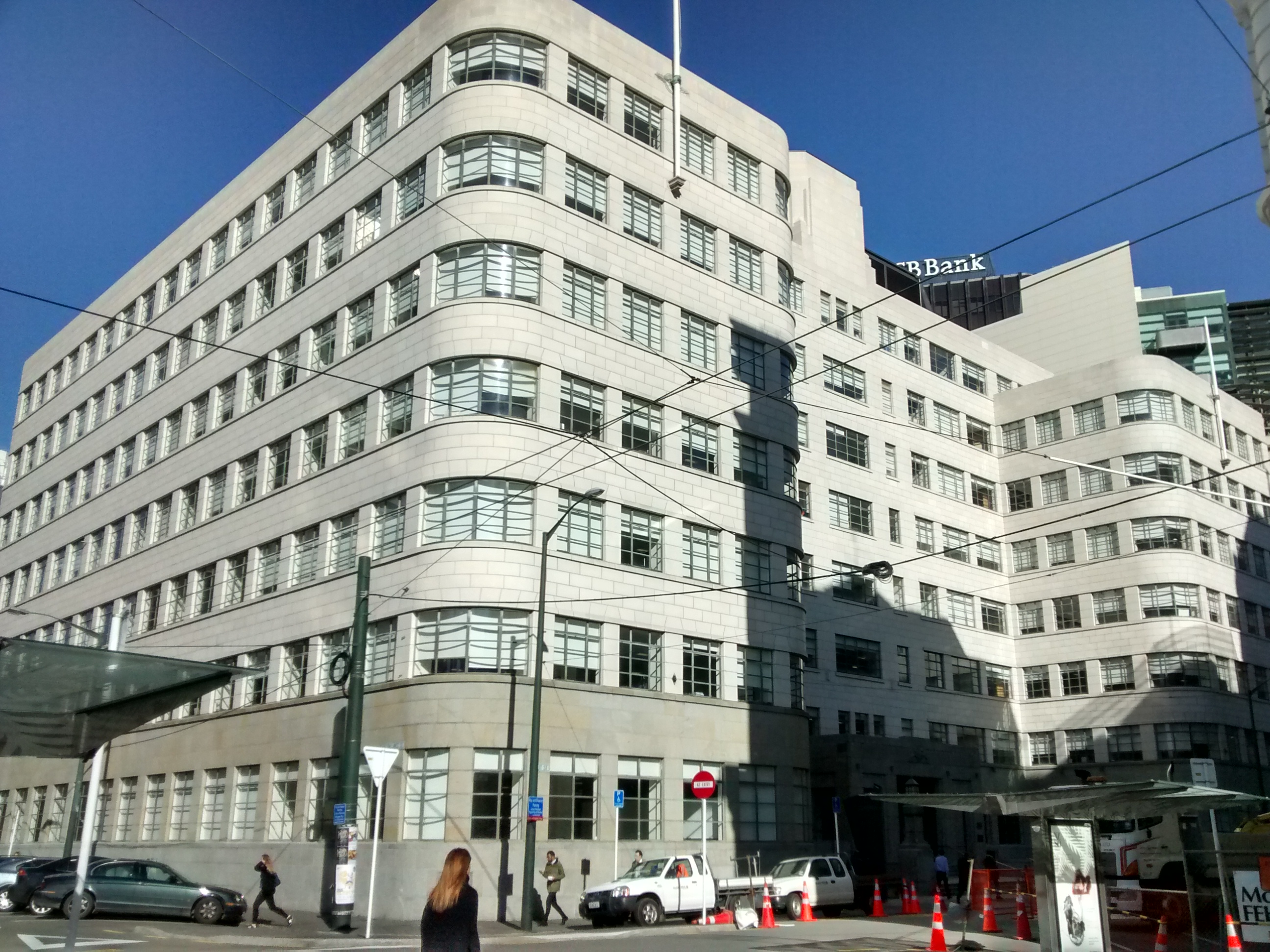
The Ministry of Business, Innovation and Employment (MBIE; Māori: Hīkina Whakatutuki) is a cornerstone of New Zealand's public service, tasked with fostering…
Contents
- 🎵 Origins & History
- ⚙️ How It Works
- 📊 Key Facts & Numbers
- 👥 Key People & Organizations
- 🌍 Cultural Impact & Influence
- ⚡ Current State & Latest Developments
- 🤔 Controversies & Debates
- 🔮 Future Outlook & Predictions
- 💡 Practical Applications
- 📚 Related Topics & Deeper Reading
- Frequently Asked Questions
- References
- Related Topics
Overview
The Ministry of Business, Innovation and Employment (MBIE; Māori: Hīkina Whakatutuki) is a cornerstone of New Zealand's public service, tasked with fostering economic prosperity through policy, services, and regulation. Established in 2012, it consolidated functions from several previous government departments, aiming for a more cohesive approach to supporting business growth, innovation, and employment. MBIE's remit is vast, encompassing everything from building and housing regulations to tourism promotion, intellectual property protection, and labour market policies. Its stated mission is to 'deliver policy, services, advice and regulation to support business growth,' a mandate that places it at the heart of the nation's economic strategy. However, like any large government entity, its effectiveness and impact are subjects of ongoing debate, with discussions often revolving around bureaucratic efficiency, the balance between regulation and innovation, and its tangible contributions to New Zealand's GDP and job market.
🎵 Origins & History
The Ministry of Business, Innovation and Employment (MBIE) officially came into being on July 1, 2012, through the merger of four government departments: the Ministry of Economic Development, the Ministry of Science and Innovation, the Department of Labour, and the Ministry of Tourism. This consolidation was part of a broader government initiative to streamline public services and create a more unified approach to economic development. The Māori name, Hīkina Whakatutuki, translates to 'to lift and to cause to succeed,' reflecting its ambitious mandate. Predecessor agencies like the Ministry of Economic Development, established in 2000, had already been laying the groundwork for fostering business growth, while the Ministry of Science and Innovation, formed in 2011, focused on the crucial link between research and commercialization. The integration aimed to harness synergies between these functions, creating a more potent force for driving innovation and employment across New Zealand.
⚙️ How It Works
MBIE operates through a complex structure of policy, operational, and regulatory branches, each addressing specific facets of the economy. Its policy teams develop legislation and advice for the government on areas such as competition, consumer protection, labour laws, and innovation funding. Operationally, it delivers services through agencies like the Companies Office, which handles business registrations and intellectual property, and Immigration New Zealand, managing visa applications and border control. Regulatory functions are crucial, with MBIE overseeing building codes, food safety standards, and health and safety regulations, often in collaboration with other agencies like the WorkSafe New Zealand. The ministry also plays a key role in promoting New Zealand as a destination for tourism and international investment, working with entities like Tourism New Zealand and New Zealand Trade and Enterprise (which was later integrated into MBIE).
📊 Key Facts & Numbers
MBIE's operational scale is significant, managing a budget that typically runs into billions of New Zealand dollars annually. In the 2022-23 financial year, for instance, its appropriation was approximately NZ$3.1 billion. It employs thousands of staff across New Zealand and internationally, with its services impacting millions of individuals and businesses. For example, the Companies Office registers over 200,000 new companies annually, and Immigration New Zealand processes hundreds of thousands of visa applications each year. The ministry's influence extends to its role in managing significant national assets and infrastructure projects, often involving multi-billion dollar investments in areas like telecommunications and energy. Its contribution to New Zealand's Gross Domestic Product (GDP) is indirectly substantial, aiming to boost productivity and export growth through its various initiatives.
👥 Key People & Organizations
Key figures associated with MBIE include its Ministers, who are political appointees responsible for setting the strategic direction. The current Minister for Economic Development, for example, holds significant sway over MBIE's policy priorities. The Secretary of MBIE, a senior public servant, leads the department's day-to-day operations and implementation of government policy. Beyond these leadership roles, MBIE works closely with a network of Crown entities and other government departments. These include organizations like Callaghan Innovation, which supports R&D, and the Commerce Commission, responsible for competition and consumer law enforcement. Industry bodies, business associations like the Business NZ, and unions also represent crucial stakeholder relationships for the ministry.
🌍 Cultural Impact & Influence
MBIE's influence permeates the daily lives of New Zealanders and the operations of businesses, often in ways that are not immediately apparent. The regulations it sets for building and housing directly impact the safety and quality of homes, while its consumer protection laws safeguard citizens from unfair trading practices. For businesses, MBIE's services, from company registration via the Companies Office to support for innovation through Callaghan Innovation, are fundamental to their establishment and growth. The ministry's efforts to attract international talent and investment via Immigration New Zealand and its promotion of New Zealand tourism shape the nation's global image and economic landscape. Its work in setting health and safety standards, particularly through WorkSafe New Zealand, has a profound impact on workplace culture and accident prevention.
⚡ Current State & Latest Developments
In 2024, MBIE continues to navigate a dynamic economic environment, with a focus on areas like digital transformation, climate change adaptation, and skills development. The ministry has been actively involved in implementing government initiatives aimed at boosting productivity and addressing labour shortages, including reforms to the immigration system and vocational training programs. Recent developments include ongoing efforts to streamline regulatory processes for businesses, particularly in the construction sector, and to enhance support for small and medium-sized enterprises (SMEs). MBIE is also playing a key role in New Zealand's response to global economic shifts, such as supply chain disruptions and the transition to a low-carbon economy, working with entities like EECA (Energy Efficiency and Conservation Authority).
🤔 Controversies & Debates
The establishment of MBIE has not been without its critics. A recurring debate centers on the sheer size and scope of the ministry, with some arguing that its consolidation has led to bureaucratic bloat and a diffusion of focus. Questions are often raised about the effectiveness of its various programs in achieving tangible economic outcomes, such as increased productivity or job creation. The balance between fostering innovation and imposing necessary regulations is another point of contention; critics sometimes argue that MBIE's regulatory functions can stifle entrepreneurial spirit, while others contend that insufficient regulation poses risks to consumers and the environment. The ministry's role in managing immigration has also been a subject of public discussion, particularly concerning its impact on the labour market and social infrastructure.
🔮 Future Outlook & Predictions
Looking ahead, MBIE is poised to play an even more critical role in shaping New Zealand's economic future. Key trends suggest a continued emphasis on sustainable development, digital innovation, and resilience in the face of global uncertainties. The ministry is likely to be at the forefront of implementing policies related to the New Zealand Emissions Reduction Plan, driving initiatives for decarbonization across industries. Further integration of digital technologies into its service delivery, potentially leveraging AI for efficiency and data analysis, is also anticipated. The ongoing evolution of the global economy, including shifts in trade patterns and the rise of new industries, will necessitate continuous adaptation and strategic foresight from MBIE to ensure New Zealand remains competitive and prosperous.
💡 Practical Applications
MBIE's practical applications are woven into the fabric of New Zealand's economy. For entrepreneurs, it provides the essential services to start and run a business through the Companies Office, offering everything from company registration to trademark protection. Its regulatory arms ensure that buildings are safe to occupy, food is safe to eat, and workplaces are safe to be in, often setting standards that align with international best practices. For job seekers and employers, MBIE, through Immigration New Zealand, manages the flow of skilled labour, while its labour market policies aim to foster a productive and fair employment environment. Furthermore, its role in promoting New Zealand globally, and supporting domestic tourism, directly impacts the hospitality sector and regional economies. The ministry also facilitates access to funding and support for research and development via Callaghan Innovation, aiming to translate scientific breakthroughs into commercial success.
Key Facts
- Year
- 2012
- Origin
- New Zealand
- Category
- organizations
- Type
- organization
Frequently Asked Questions
What is the primary purpose of the Ministry of Business, Innovation and Employment (MBIE)?
The primary purpose of MBIE is to deliver policy, services, advice, and regulation that support business growth and employment in New Zealand. It aims to foster a productive, competitive, and sustainable economy by helping businesses start, grow, and succeed, while also ensuring fair markets and a safe working environment. This includes a broad range of activities from managing immigration to setting building codes and promoting innovation through entities like Callaghan Innovation.
When was MBIE established and what departments did it merge?
MBIE was officially established on July 1, 2012. It was formed by consolidating four existing government departments: the Ministry of Economic Development, the Ministry of Science and Innovation, the Department of Labour, and the Ministry of Tourism. This merger was intended to create a more streamlined and effective approach to government support for the economy, bringing together diverse functions under one umbrella.
What are some of the key services MBIE provides to businesses?
MBIE provides a wide array of services to businesses. Through the Companies Office, it handles business registrations, intellectual property protection, and company law compliance. It also offers support for innovation and R&D through Callaghan Innovation, provides guidance on employment law, and manages immigration processes to help businesses access skilled talent via Immigration New Zealand. Furthermore, it sets and enforces regulatory standards in areas like building and health and safety.
How does MBIE contribute to innovation in New Zealand?
MBIE plays a crucial role in fostering innovation by funding research and development initiatives, supporting Callaghan Innovation's work with businesses, and protecting intellectual property through the Companies Office. It also develops policy frameworks designed to encourage R&D investment and commercialization of new technologies. By connecting researchers with businesses and providing access to funding, MBIE aims to translate scientific discoveries into economic growth and new market opportunities for New Zealand.
What are the main controversies or criticisms surrounding MBIE?
Criticisms of MBIE often revolve around its large size and potential for bureaucratic inefficiency, with debates on whether consolidation has truly led to better outcomes or simply created a more complex structure. There are ongoing discussions about the effectiveness of its policies in driving tangible economic growth and job creation. Additionally, the balance between its regulatory functions, which some argue can stifle innovation, and the need for oversight in areas like consumer protection and workplace safety, is a persistent point of contention. The impact of its immigration policies on the labour market also frequently draws public scrutiny.
How does MBIE manage immigration and its impact on the workforce?
MBIE manages immigration through Immigration New Zealand, which is responsible for processing visa applications and managing border control. Its immigration policies are designed to attract skilled workers to address labour shortages in key sectors, support economic growth, and ensure the integrity of the immigration system. MBIE also works on labour market policies to ensure that immigration complements, rather than displaces, domestic workers, and that migrants contribute positively to New Zealand society and economy.
What is MBIE's role in ensuring workplace safety?
MBIE plays a significant role in ensuring workplace safety, primarily through its oversight of WorkSafe New Zealand. While WorkSafe is the operational arm responsible for enforcing health and safety legislation, MBIE develops the policy frameworks and regulatory standards that guide these efforts. This includes setting requirements for risk management, accident reporting, and promoting a culture of safety across all industries in New Zealand to prevent injuries and fatalities in the workplace.