The Hidden Toll of Military Stress | Vibepedia
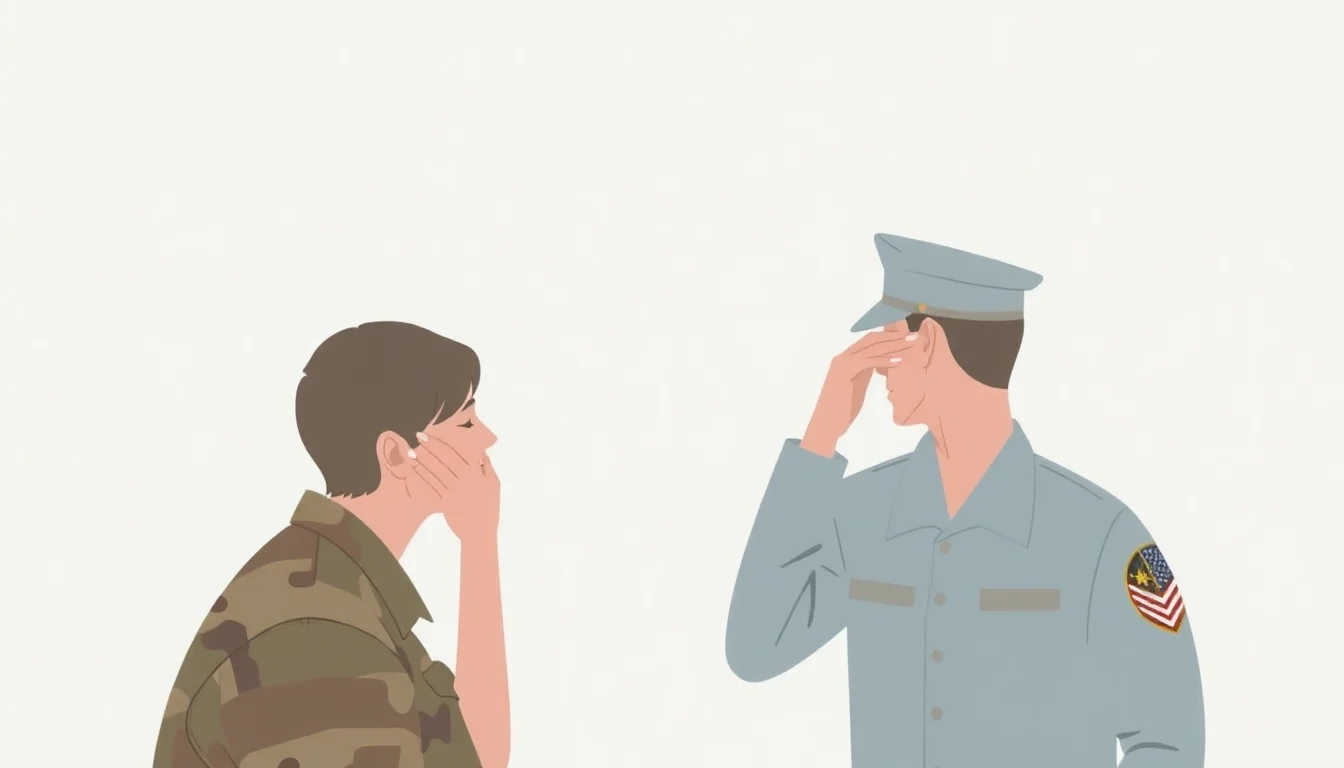
Military stress is a pervasive issue affecting service members worldwide, with a significant impact on mental health, relationships, and overall well-being…
Contents
- 🔍 Introduction to Military Stress
- 💔 The Psychological Impact of War
- 🏥 Treatment and Support for Veterans
- 📊 The Economic Burden of Military Stress
- 👥 The Role of Social Support in Mitigating Stress
- 🚫 Breaking the Stigma Surrounding Mental Health
- 🌎 The Global Perspective on Military Stress
- 🔮 Future Directions for Research and Intervention
- 📈 The Intersection of Military Stress and Technology
- 👮 The Importance of Leadership in Managing Stress
- 💼 The Transition to Civilian Life: Challenges and Opportunities
- Frequently Asked Questions
- Related Topics
Overview
Military stress is a pervasive issue affecting service members worldwide, with a significant impact on mental health, relationships, and overall well-being. According to a study by the National Center for PTSD, approximately 11-20% of veterans who served in Operations Iraqi Freedom and Enduring Freedom have been diagnosed with PTSD. The constant exposure to life-threatening situations, coupled with the pressure to perform and the strain of deployment, can lead to anxiety, depression, and even suicidal thoughts. The issue is further complicated by the stigma surrounding mental health discussions within the military community, making it challenging for service members to seek help. Researchers like Dr. Jonathan Shay and Dr. Brett Litz have been working to develop more effective treatments and interventions, such as cognitive-behavioral therapy and mindfulness-based stress reduction. As the military continues to evolve, it is essential to prioritize the mental health and well-being of its service members, not only to improve their quality of life but also to ensure their optimal performance and readiness.
🔍 Introduction to Military Stress
The hidden toll of military stress is a pressing concern that affects not only military personnel but also their families and communities. According to the National Center for PTSD, approximately 11-20% of veterans who served in Operations Iraqi Freedom and Enduring Freedom have been diagnosed with post-traumatic stress disorder (PTSD). The psychological impact of war can be devastating, leading to anxiety, depression, and even suicide. It is essential to recognize the signs and symptoms of military stress and provide adequate support and resources to those affected. The Department of Veterans Affairs offers various programs and services to help veterans cope with military stress, including counseling and therapy sessions.
💔 The Psychological Impact of War
The psychological impact of war can be long-lasting and far-reaching, affecting not only the individual but also their loved ones. The American Psychological Association notes that military stress can lead to hypervigilance, avoidance behavior, and flashbacks. It is crucial to address these issues through evidence-based treatments, such as cognitive-behavioral therapy (CBT) and eye movement desensitization and reprocessing (EMDR). Additionally, mindfulness practices and yoga can help reduce stress and promote relaxation. The Wounded Warrior Project is an organization that provides support and resources to injured veterans, including those struggling with military stress.
🏥 Treatment and Support for Veterans
Treatment and support for veterans are critical in mitigating the effects of military stress. The Veterans Health Administration provides a range of services, including mental health counseling, substance abuse treatment, and vocational rehabilitation. It is essential to ensure that veterans have access to these resources and that they are aware of the available support. The National Alliance on Mental Illness (NAMI) is an organization that provides education, support, and advocacy for individuals and families affected by mental illness, including military stress. The Substance Abuse and Mental Health Services Administration (SAMHSA) also offers resources and support for veterans struggling with mental health issues.
📊 The Economic Burden of Military Stress
The economic burden of military stress is significant, with estimated costs ranging from $4.8 to $6.2 billion annually. The Congressional Budget Office notes that the cost of treating traumatic brain injury (TBI) and PTSD can be substantial, with some estimates suggesting that the lifetime cost of care for a single veteran can exceed $1 million. It is essential to invest in prevention and intervention strategies to reduce the economic burden of military stress. The Department of Defense has implemented various initiatives to promote mental health and reduce stress, including the Total Force Fitness program. The Institute of Medicine has also conducted research on the economic burden of military stress and provided recommendations for reducing costs and improving outcomes.
🚫 Breaking the Stigma Surrounding Mental Health
Breaking the stigma surrounding mental health is crucial in encouraging military personnel to seek help and support. The National Institute of Mental Health notes that stigma can be a significant barrier to seeking treatment, with many individuals fearing that seeking help will negatively impact their careers or relationships. It is essential to promote a culture of openness and acceptance, where individuals feel comfortable discussing their mental health concerns. The Make the Connection campaign is an initiative that aims to reduce stigma and promote mental health awareness among veterans. The Real Warriors Campaign is another organization that provides resources and support to military personnel and their families, including those struggling with mental health issues.
🌎 The Global Perspective on Military Stress
The global perspective on military stress is essential in understanding the complexities of this issue. The World Health Organization (WHO) notes that military stress is a significant concern worldwide, with many countries experiencing high rates of PTSD and other mental health issues among military personnel. It is crucial to share best practices and lessons learned in addressing military stress and to promote international collaboration and cooperation. The North Atlantic Treaty Organization (NATO) has implemented various initiatives to promote mental health and reduce stress among military personnel, including the NATO Mental Health Surveillance program. The International Society for Traumatic Stress Studies is an organization that provides resources and support to individuals and families affected by traumatic stress.
🔮 Future Directions for Research and Intervention
Future directions for research and intervention are critical in addressing the complex issues surrounding military stress. The National Institutes of Health (NIH) has funded various research studies on military stress, including the development of new treatments and interventions. It is essential to invest in research and development to improve our understanding of military stress and to identify effective solutions. The Department of Veterans Affairs has also implemented various research initiatives, including the VA National Center for PTSD. The Institute of Medicine has conducted research on the prevention and treatment of military stress, including the development of evidence-based guidelines.
📈 The Intersection of Military Stress and Technology
The intersection of military stress and technology is an area of growing interest and concern. The National Center for Veterans Studies notes that technology can be both a blessing and a curse, providing access to resources and support while also creating new challenges and stressors. It is essential to understand the impact of technology on military stress and to develop strategies to mitigate its negative effects. The Department of Defense has implemented various initiatives to promote the use of technology in reducing stress and promoting mental health, including the AfterDeployment program. The telehealth industry is also expanding, providing remote access to mental health services and support.
👮 The Importance of Leadership in Managing Stress
The importance of leadership in managing stress cannot be overstated. The Center for Leadership and Ethics notes that leaders play a critical role in promoting a culture of openness and acceptance, where individuals feel comfortable discussing their mental health concerns. It is essential to provide leaders with the training and resources they need to support their personnel and to promote mental health awareness. The Military Leadership program provides training and education to military leaders on promoting mental health and reducing stress. The Leadership Council is an organization that provides resources and support to leaders, including those in the military.
💼 The Transition to Civilian Life: Challenges and Opportunities
The transition to civilian life can be challenging for military personnel, with many experiencing stress and difficulty adjusting to civilian life. The Transition Assistance Program (TAP) provides resources and support to military personnel transitioning to civilian life, including education and employment assistance. It is essential to provide support and resources to military personnel during this critical transition period. The Veterans Employment Initiative is an organization that provides resources and support to veterans seeking employment. The Military Transition program provides training and education to military personnel on transitioning to civilian life.
Key Facts
- Year
- 2022
- Origin
- Vibepedia.wiki
- Category
- Psychology, Military
- Type
- Psychological Concept
Frequently Asked Questions
What is military stress?
Military stress refers to the physical and emotional strain experienced by military personnel due to their duties and responsibilities. It can be caused by a range of factors, including combat, deployment, and separation from family and friends. Military stress can lead to a range of mental health issues, including anxiety, depression, and post-traumatic stress disorder (PTSD). The Department of Veterans Affairs provides resources and support to military personnel and veterans struggling with military stress.
What are the symptoms of military stress?
The symptoms of military stress can vary depending on the individual and the specific circumstances. Common symptoms include hypervigilance, avoidance behavior, and flashbacks. Military personnel may also experience insomnia, substance abuse, and relationship problems. It is essential to recognize these symptoms and provide support and resources to those affected. The National Center for PTSD provides information and resources on the symptoms and treatment of PTSD.
How can military personnel manage stress?
Military personnel can manage stress by engaging in regular exercise, practicing mindfulness, and seeking social support. It is also essential to prioritize sleep, eat a healthy diet, and avoid substance abuse. The Military Fitness program provides resources and support to military personnel on maintaining physical and mental fitness. The Resilience program provides training and education to military personnel on building resilience and managing stress.
What resources are available to military personnel struggling with stress?
There are a range of resources available to military personnel struggling with stress, including counseling and therapy sessions, support groups, and online resources. The Department of Veterans Affairs provides a range of services, including mental health counseling and substance abuse treatment. The Military Crisis Line is a 24/7 hotline that provides support and resources to military personnel in crisis. The Veterans Crisis Line is also available to provide support and resources to veterans in crisis.
How can family members support military personnel struggling with stress?
Family members can support military personnel struggling with stress by being understanding and supportive, encouraging them to seek help, and providing a sense of connection and community. It is essential to educate family members on the signs and symptoms of military stress and to provide them with resources and support. The Military Family Support program provides resources and support to military families, including counseling and education. The Family Therapy program provides training and education to family members on supporting their loved ones struggling with military stress.
What is the long-term impact of military stress on mental health?
The long-term impact of military stress on mental health can be significant, with many military personnel experiencing ongoing mental health issues, including anxiety, depression, and post-traumatic stress disorder (PTSD). It is essential to provide ongoing support and resources to military personnel and veterans to mitigate the long-term effects of military stress. The National Institute of Mental Health provides information and resources on the long-term impact of military stress on mental health.
How can military leaders promote mental health awareness and reduce stigma?
Military leaders can promote mental health awareness and reduce stigma by promoting a culture of openness and acceptance, providing education and training on mental health issues, and encouraging military personnel to seek help. It is essential to provide leaders with the training and resources they need to support their personnel and to promote mental health awareness. The Military Leadership program provides training and education to military leaders on promoting mental health and reducing stress.