Michigan Forests: A Living Legacy | Vibepedia
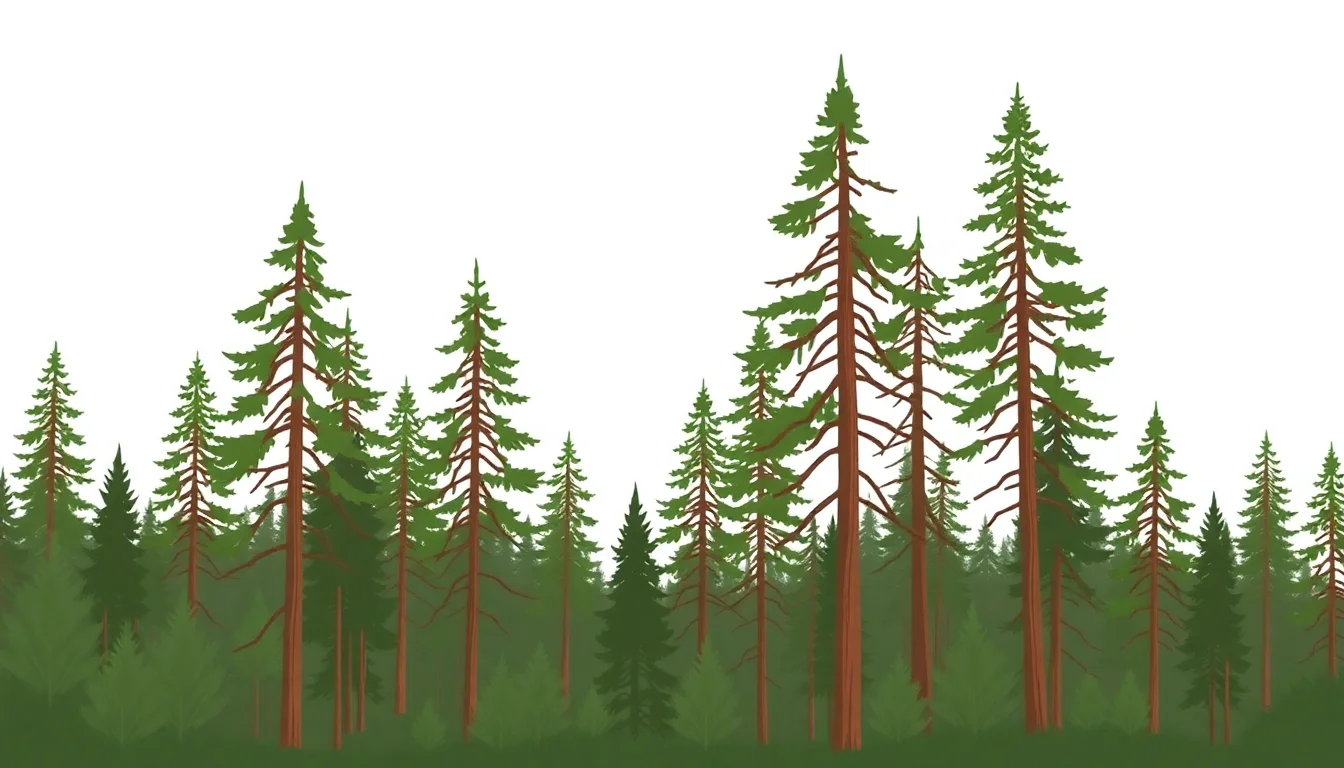
Michigan's forests are a dynamic ecosystem, shaped by centuries of natural cycles and human intervention. Once dominated by vast old-growth pine and hemlock…
Contents
- 🌲 What Are Michigan Forests?
- 📍 Location & Access
- 🗺️ Navigating the Woods: Key Forest Types
- ⏳ A Deep History: From Ancient Giants to Modern Management
- 💰 Pricing & Plans (for Access)
- ⭐ What People Say (Vibe Scores & Reviews)
- ⚖️ The Great Debate: Preservation vs. Utilization
- 💡 Practical Tips for Forest Exploration
- 🤝 How to Get Involved & Support
- ✨ The Future of Michigan's Forests
- Frequently Asked Questions
- Related Topics
Overview
Michigan's forests are more than just trees; they are dynamic ecosystems that have shaped the state's identity and economy for millennia. Covering over 20 million acres, these woodlands range from the dense, old-growth remnants of the Upper Peninsula to the mixed hardwood forests of the Lower Peninsula. They are vital for biodiversity, providing habitat for countless species, and play a crucial role in regulating air and water quality. Understanding Michigan's forests means appreciating their ecological complexity, historical significance, and the ongoing human efforts to manage and conserve them for future generations. This living legacy offers unparalleled opportunities for recreation, education, and scientific study, making them a cornerstone of the state's natural heritage.
📍 Location & Access
Michigan's forests are accessible across the entire state, with significant tracts managed by the Michigan Department of Natural Resources (DNR), the U.S. Forest Service, and numerous private landowners. The Upper Peninsula boasts vast expanses like the Hiawatha National Forest and Ottawa National Forest, offering remote wilderness experiences. In the Lower Peninsula, areas such as the Manistee National Forest and state forests like the Pere Marquette State Forest provide more accessible recreational opportunities. Trailheads are abundant, and many forest roads are open to the public, though conditions can vary, especially after inclement weather. Planning your visit often involves consulting DNR forest maps or specific national forest visitor guides.
⏳ A Deep History: From Ancient Giants to Modern Management
The history of Michigan's forests is a dramatic narrative of exploitation and recovery. Before European settlement, vast, ancient forests, some with trees over 100 feet tall and centuries old, covered the land. The late 19th and early 20th centuries saw rampant logging that decimated these old-growth stands, leading to widespread erosion and ecological damage. However, through dedicated conservation efforts, including the establishment of state and national forests, and natural regeneration, Michigan's forests have made a remarkable comeback. This resilience is a testament to the enduring power of nature and the evolving understanding of sustainable forestry practices, as documented by historical accounts from the Michigan Historical Society.
💰 Pricing & Plans (for Access)
Access to most Michigan state and national forests is free, making exploration highly accessible. Day-use areas, trailheads, and general forest access do not typically require fees. However, specific recreational activities might incur costs. For instance, camping permits in state or national campgrounds range from $15-$30 per night, depending on amenities. Recreational passes might be required for certain activities or areas, particularly in national forests, though often these are integrated into broader land use permits. Hunting and fishing licenses are also required for those pursuing those activities, with prices varying by residency and license type, as detailed by the Michigan DNR licensing portal.
⭐ What People Say (Vibe Scores & Reviews)
Michigan's forests generally receive high Vibe Scores (75-90) for their natural beauty and recreational value. Visitors frequently praise the accessibility and diversity of experiences, from challenging backcountry hikes in the UP to family-friendly nature walks in southern Michigan. Common feedback highlights the well-maintained trail systems in areas like the North Country Trail and the abundance of wildlife sightings. Some reviews mention the impact of past logging and the ongoing challenges of invasive species, but the overall sentiment leans heavily towards appreciation for the state's recovering woodlands. The Michigan State Parks Foundation often receives positive mentions for its stewardship efforts.
⚖️ The Great Debate: Preservation vs. Utilization
A central tension surrounding Michigan's forests revolves around balancing conservation with resource utilization. While many advocate for preserving large tracts of wilderness in their natural state, particularly old-growth remnants, others emphasize the economic importance of timber harvesting and the role of sustainable forestry in managing forest health and providing jobs. Debates often surface regarding the extent of logging in sensitive areas, the management of invasive species like the Emerald Ash Borer, and the allocation of public lands for recreation versus resource extraction. This ongoing dialogue, involving stakeholders from environmental groups to the timber industry, shapes the future management strategies for these vital ecosystems.
💡 Practical Tips for Forest Exploration
When exploring Michigan's forests, preparation is key. Always carry a map and compass or GPS device, as cell service can be unreliable. Dress in layers, as weather can change rapidly, and wear sturdy footwear. Inform someone of your itinerary and expected return time, especially if venturing into remote areas. Pack plenty of water and snacks, and be aware of local wildlife, including black bears and ticks. Familiarize yourself with Leave No Trace principles to minimize your impact. Check the DNR forest conditions report before your trip for any alerts or closures, and consider purchasing a Michigan Recreation Passport for convenient access to state parks and forest recreation areas.
🤝 How to Get Involved & Support
Supporting Michigan's forests can take many forms. Consider purchasing a Michigan Recreation Passport, as a portion of the proceeds directly funds state park and forest management. Volunteer with organizations like the Michigan Nature Association or the Student Conservation Association for hands-on restoration projects. Educate yourself and others about the importance of conservation and sustainable practices. Support businesses that practice responsible forestry and advocate for policies that protect forest ecosystems. Donations to groups like the Michigan Environmental Council also play a crucial role in funding advocacy and conservation initiatives.
✨ The Future of Michigan's Forests
The future of Michigan's forests hinges on continued commitment to sustainable management and robust conservation efforts. Challenges like climate change, invasive species, and increasing recreational pressure demand adaptive strategies. The ongoing success of reforestation and the protection of remaining old-growth stands offer hope. Innovations in forest monitoring technology and a deeper understanding of ecological processes will be critical. The goal is to ensure these woodlands remain vibrant, resilient, and capable of providing ecological, economic, and recreational benefits for generations to come, a vision championed by groups like the Michigan Forest Association.
Key Facts
- Year
- 1800
- Origin
- Michigan
- Category
- Ecology & Environment
- Type
- Topic
Frequently Asked Questions
Are Michigan's forests safe for solo hikers?
Michigan's forests offer varying levels of safety for solo hikers. Well-trafficked areas in state and national parks, especially those with established trails and ranger presence, are generally safe. However, remote backcountry areas require advanced preparation, including navigation skills, emergency preparedness, and informing others of your plans. Awareness of wildlife, particularly black bears, and carrying bear spray in certain regions is advisable. Always check recent trail conditions and weather forecasts before heading out.
What is the best time of year to visit Michigan's forests?
The best time to visit Michigan's forests depends on your interests. Spring (May-June) offers vibrant wildflowers and fewer crowds, though some trails may still be wet. Summer (July-August) is ideal for hiking and camping, with warm weather and full foliage, but expect more visitors. Autumn (September-October) is spectacular for fall colors, drawing significant crowds, especially in popular areas. Winter (December-March) offers opportunities for snowshoeing and cross-country skiing in quieter, serene landscapes, but requires specialized gear and awareness of cold-weather hazards.
How can I identify trees in Michigan's forests?
Identifying trees in Michigan's forests can be a rewarding experience. Utilize field guides specific to the Great Lakes region, such as those published by the University of Michigan Press. Mobile apps like PictureThis or Seek by iNaturalist can provide quick identifications using your phone's camera. Pay attention to leaf shape, bark texture, and cone or fruit characteristics. Joining guided nature walks led by park naturalists or local experts is also an excellent way to learn tree identification in situ.
What are the main threats facing Michigan's forests?
Michigan's forests face several significant threats. Invasive species, such as the Emerald Ash Borer and invasive plants, disrupt native ecosystems and can cause widespread tree mortality. Climate change poses risks through altered precipitation patterns, increased frequency of extreme weather events, and shifts in suitable habitats for tree species. Wildfires, though less common than in western states, can still occur, especially during dry periods. Finally, habitat fragmentation due to development and the pressure of increased recreational use can impact forest health and biodiversity.
Can I camp anywhere in Michigan's forests?
Camping in Michigan's forests is generally restricted to designated campgrounds or specific dispersed camping areas. State and national forests have established campgrounds with varying amenities, requiring reservations and fees. Dispersed camping, where allowed, typically has strict regulations regarding site selection (e.g., distance from water sources and trails), duration of stay, and fire restrictions. Always consult the specific rules and regulations for the forest area you plan to visit, often available on the DNR or U.S. Forest Service websites, before setting up camp.