Metallurgy | Vibepedia
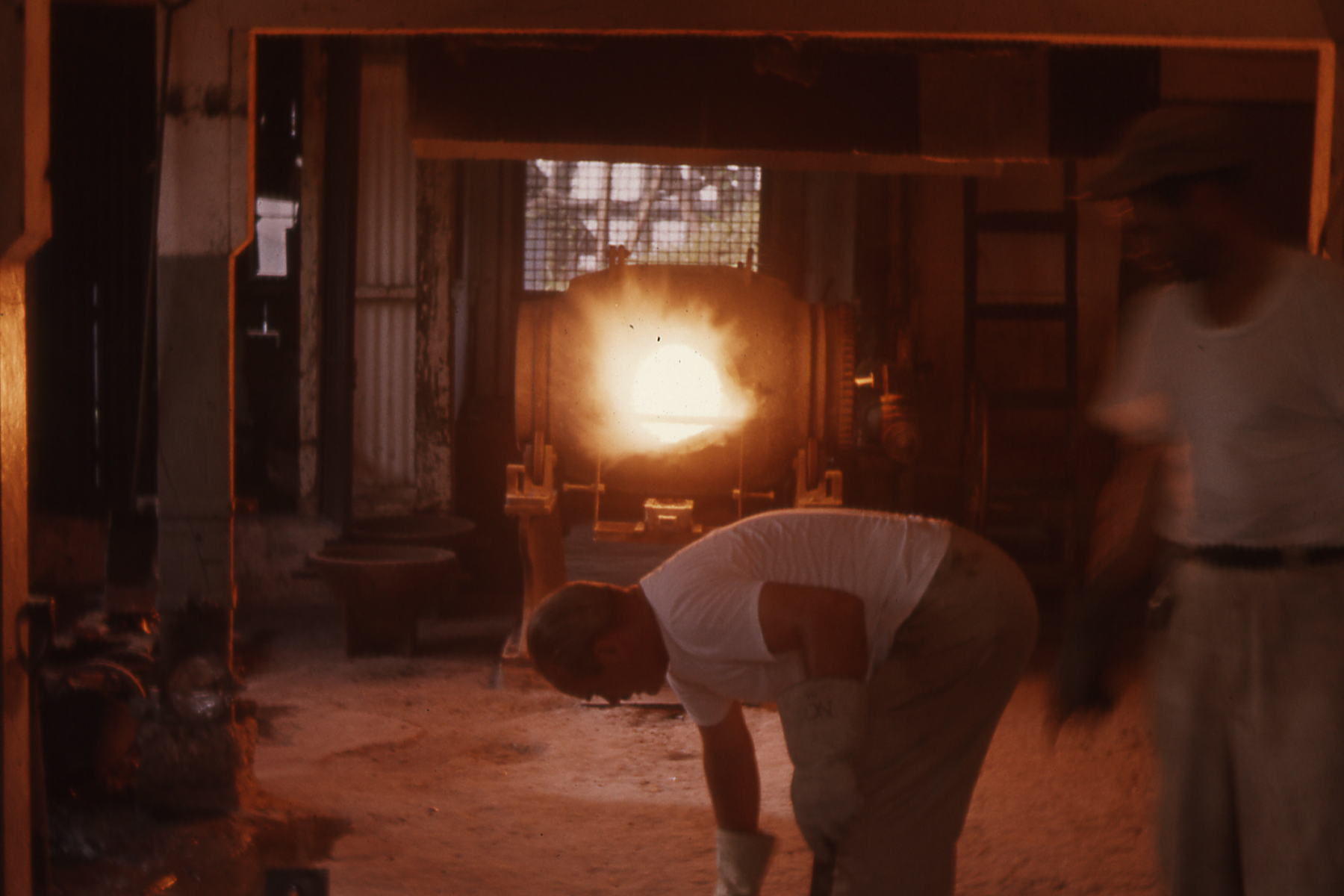
Metallurgy is the scientific and engineering discipline dedicated to understanding the physical and chemical properties of metals, their alloys, and their…
Contents
Overview
Metallurgy is the scientific and engineering discipline dedicated to understanding the physical and chemical properties of metals, their alloys, and their compounds. It bridges the gap between raw metallic elements and the sophisticated components that underpin modern technology, from the earliest tools to the advanced alloys in aerospace. This field encompasses extraction, processing, and the fundamental behavior of metals under various conditions, driving innovation across industries like construction, electronics, and transportation. With a history stretching back millennia, metallurgy continues to evolve, seeking lighter, stronger, and more sustainable materials.
🎵 Origins & History
The story of metallurgy is inextricably linked to the dawn of civilization itself. While early humans likely encountered native metals like gold and copper, the true genesis of metallurgy began with the intentional transformation of metals. The discovery of bronze, an alloy of copper and tin, fundamentally altering warfare, agriculture, and societal structures. Iron smelting, a more challenging process due to higher required temperatures, further accelerated human progress. These early advancements were not systematic science but rather empirical crafts, passed down through generations, laying the groundwork for the formal discipline that would eventually emerge.
⚙️ How It Works
At its core, metallurgy involves understanding the atomic structure and bonding of metals to predict and control their behavior. This is achieved through two primary branches: chemical metallurgy and physical metallurgy. Chemical metallurgy focuses on the extraction of metals from their ores, a process often involving reduction reactions, and the study of metal corrosion and electrochemistry. For instance, the Bayer process is a crucial chemical metallurgical method for refining bauxite into alumina, the precursor to aluminum. Physical metallurgy, on the other hand, delves into the solid-state properties of metals and alloys, examining phase transformations, crystal structures, and mechanical behavior. Techniques like heat treatment, alloying, and mechanical working are employed to manipulate these properties, creating materials with specific strengths, ductilities, and resistances.
📊 Key Facts & Numbers
The global metal industry is colossal, with annual production figures that underscore metallurgy's foundational role. The sheer scale of these numbers highlights the immense material flow and energy consumption inherent in metallurgical processes.
👥 Key People & Organizations
While metallurgy is a broad scientific field, several individuals and organizations have been pivotal. Henry Bessemer revolutionized steel production in the mid-19th century with his eponymous converter, drastically reducing costs and increasing output. William Chandler Roberts-Austen is often considered the father of modern physical metallurgy, conducting foundational research on alloys and phase diagrams in the late 19th century. The Institute of Materials, Minerals and Mining (IOM3) and the Minerals, Metals & Materials Society (TMS) are leading professional organizations that foster research, education, and collaboration among metallurgists worldwide. Major industrial players like Alcoa, Rio Tinto, and POSCO are at the forefront of applying metallurgical principles to large-scale metal production and innovation.
🌍 Cultural Impact & Influence
Metallurgy's impact on human culture is immeasurable, shaping everything from ancient empires to modern marvels. The Bronze Age and Iron Age are defined by the metallurgical capabilities of their respective eras, dictating the tools, weapons, and infrastructure that characterized these periods. The ability to forge strong iron swords gave rise to powerful armies and expanded empires, while the development of cast iron enabled monumental architecture. In more recent times, metallurgy has been the silent enabler of the Industrial Revolution, the automobile age, and the digital revolution. Advanced alloys developed through metallurgical science are critical for everything from the Boeing 747 aircraft to the iPhone 15's durable chassis, demonstrating its pervasive influence on daily life and technological advancement.
⚡ Current State & Latest Developments
The current landscape of metallurgy is characterized by a relentless pursuit of enhanced material performance and sustainability. Research is heavily focused on developing lighter, stronger alloys for the automotive and aerospace sectors, aiming to improve fuel efficiency and reduce emissions. This includes significant advancements in aluminum alloys, titanium alloys, and magnesium alloys. Furthermore, the drive towards a circular economy is spurring innovation in recycling and the development of metals from secondary sources, reducing reliance on virgin mining. Additive manufacturing, or 3D printing, using metal powders is another rapidly evolving area, with companies like Desktop Metal pushing the boundaries of what's possible. The integration of artificial intelligence and machine learning is also beginning to accelerate materials discovery and process optimization.
🤔 Controversies & Debates
Despite its foundational role, metallurgy faces significant controversies and debates, primarily centered around environmental impact and resource depletion. The extraction and processing of metals are often energy-intensive and can lead to substantial environmental degradation, including habitat destruction, water pollution from mining runoff, and significant greenhouse gas emissions, particularly from steel and aluminum production. The ethical sourcing of certain metals, such as cobalt used in batteries, has also drawn criticism due to links with conflict zones and exploitative labor practices. Debates also persist regarding the long-term sustainability of current consumption rates and the effectiveness of recycling initiatives in meeting future demand. The push for 'green' metallurgy, utilizing renewable energy and cleaner processes, is a key area of contention and development.
🔮 Future Outlook & Predictions
The future of metallurgy points towards increasingly specialized and sustainable materials. We can expect continued breakthroughs in high-entropy alloys, which offer exceptional strength and resistance at extreme temperatures, potentially revolutionizing aerospace and energy sectors. The development of 'smart' metals that can change properties in response to stimuli, or self-healing alloys, is also on the horizon. Furthermore, the integration of biotechnology, such as bio-mining, could offer more environmentally benign methods for metal extraction. The push for decarbonization will drive innovation in materials for renewable energy technologies, like advanced alloys for wind turbines and next-generation battery materials. Expect a greater emphasis on materials designed for disassembly and recycling, ensuring a more circular lifecycle for metallic products.
💡 Practical Applications
Metallurgy's practical applications are ubiquitous, forming the bedrock of countless industries. In construction, steel and aluminum alloys are fundamental to skyscrapers, bridges, and infrastructure projects. The automotive industry relies heavily on metallurgy for engine components, chassis, and lightweight body panels, driving advancements in vehicle safety and efficiency. The aerospace sector utilizes high-performance alloys like Inconel and titanium for aircraft engines and airframes, demanding materials that can withstand extreme temperatures and stresses. Electronics manufacturing depends on copper for wiring and conductive elements, while specialized alloys are crucial for semiconductors and magnetic storage. Even in everyday items like cookware, cutlery, and jewelry, metallurgical principles dictate material choice and performance.
Key Facts
- Category
- science
- Type
- topic