Mediterranean Transport | Vibepedia
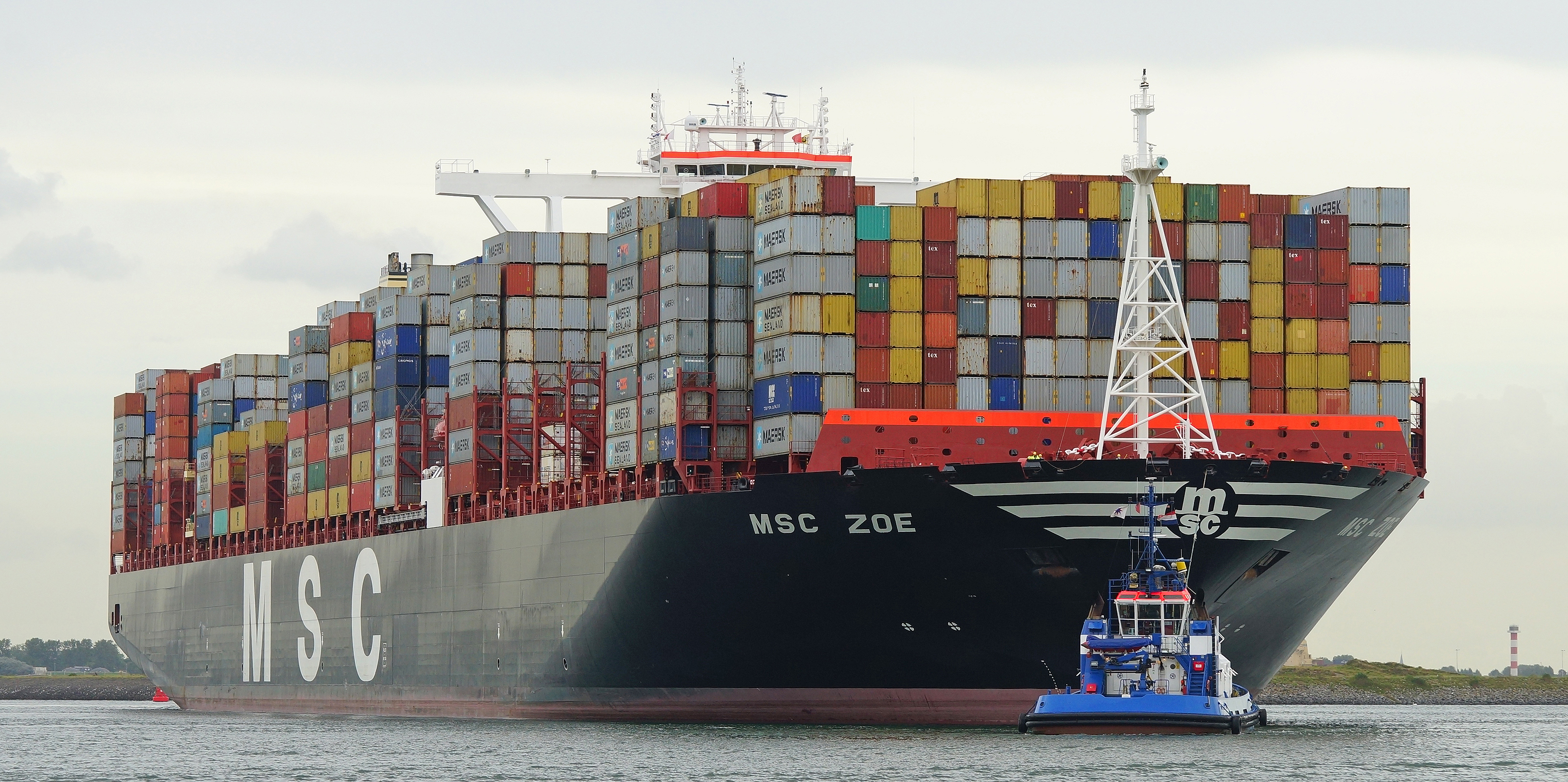
Mediterranean transport is the historical and ongoing movement of people and goods across the Mediterranean Sea, a crucial nexus for civilizations for…
Contents
Overview
Mediterranean transport is the historical and ongoing movement of people and goods across the Mediterranean Sea, a crucial nexus for civilizations for millennia. From ancient galleys and Roman grain ships to the modern container vessels and ferries, this maritime network has shaped economies, facilitated empires, and fostered cultural diffusion. The sea's strategic location has made it a perennial stage for trade, migration, and warfare, with its transport systems evolving from oar-powered vessels to sophisticated logistical operations. Today, it remains a vital corridor for global commerce, while also grappling with contemporary challenges like piracy, environmental concerns, and the humanitarian crisis of irregular migration.
🎵 Origins & History
The Mediterranean Sea has been a highway for human movement since at least the Neolithic period. The Greeks developed sophisticated triremes and merchant fleets, and subsequently the Romans. The Roman Empire called the Mediterranean Sea Mare Nostrum ('Our Sea'). The decline of Rome saw a fragmentation of these networks, with Byzantine, Arab, and later Italian maritime republics like Venice and Genoa dominating different eras, each contributing to the evolution of shipbuilding, navigation, and trade practices.
⚙️ How It Works
Mediterranean transport operates through a complex ecosystem of shipping lanes, ports, and logistical hubs. Major shipping lanes crisscross the sea, connecting Europe, Africa, and Asia. Ports like Rotterdam, Singapore, Shanghai, Los Angeles, and Antwerp are key transshipment points, though major Mediterranean hubs like Valencia, Piraeus, Marseille, and Tanger Med handle significant volumes. Vessels range from massive container ships carrying manufactured goods and raw materials, to oil tankers transporting hydrocarbons, and cruise ships catering to tourism. Ferries and smaller cargo vessels also play a vital role in connecting islands and coastal communities. The efficiency of this system relies on advanced port infrastructure, intermodal connections (rail and road), and sophisticated supply chain management, often coordinated by global logistics giants like MSC and Maersk.
📊 Key Facts & Numbers
The cruise industry in the region saw over 15 million passengers in 2023, generating billions of euros in revenue. The total value of goods transported by sea in the Mediterranean is estimated to be in the trillions of dollars annually.
👥 Key People & Organizations
Key players in Mediterranean transport include global shipping conglomerates like the Mediterranean Shipping Company (MSC), founded by Gianluigi Aponte, and A.P. Moller – Maersk Group. Major port authorities, such as the Port Authority of Valencia and the Piraeus Port Authority S.A., manage critical infrastructure. International organizations like the IMO set global standards, while regional bodies like the Union for the Mediterranean aim to foster cooperation. The EU plays a significant role through its maritime policies and funding for infrastructure projects. Naval forces from various nations patrol the waters, addressing security concerns. The Suez Canal Authority manages one of the world's most vital maritime passages. The International Chamber of Shipping represents shipowners globally.
🌍 Cultural Impact & Influence
Mediterranean transport has been a crucible for cultural exchange, shaping languages, cuisines, and political landscapes for millennia. The spread of Greek and Latin scripts, the dissemination of religious ideas from Jerusalem, Rome, and Mecca, and the exchange of scientific and philosophical knowledge between the Arab world and Europe are all indebted to these maritime arteries. The Silk Road's western terminus often lay on Mediterranean shores, facilitating the flow of goods and ideas from the East. The very concept of 'Western civilization' is inextricably linked to the interactions and exchanges that occurred across this sea. Even today, the movement of people, whether for tourism, work, or refuge, continues to foster cultural dynamism and, at times, friction, influencing art, music, and social trends across the region.
⚡ Current State & Latest Developments
Current developments in Mediterranean transport are dominated by efforts to enhance efficiency and sustainability, alongside persistent security and humanitarian challenges. The expansion of ports like Tanger Med and Piraeus aims to capture a larger share of global container traffic. The EU's 'Green Deal' is pushing for decarbonization of shipping, with initiatives like the EMSA promoting cleaner fuels and technologies. However, the region remains a critical route for irregular migration, leading to ongoing humanitarian crises and political tensions, with organizations like Médecins Sans Frontières (MSF) and the UNHCR actively involved in rescue and aid efforts. Piracy, though less prevalent than in some other maritime regions, remains a concern in certain areas, particularly off the North African coast. The ongoing conflict in Ukraine has also impacted shipping routes and cargo volumes through the eastern Mediterranean.
🤔 Controversies & Debates
The Mediterranean transport system is fraught with controversies, most notably the ongoing debate surrounding the rescue of migrants and refugees. Critics argue that certain national policies and the actions of some coast guards hinder rescue efforts, while others point to the strain on resources and the challenges of managing arrivals. The environmental impact of shipping, including oil spills, plastic pollution, and carbon emissions, is another major point of contention, with environmental groups like Greenpeace frequently highlighting the damage. The geopolitical implications of controlling key shipping lanes, particularly the Suez Canal, are a constant source of tension between regional and global powers. Furthermore, the historical legacy of colonialism and its impact on current trade dynamics and port development is a subject of ongoing academic and political debate.
🔮 Future Outlook & Predictions
The future of Mediterranean transport will likely be shaped by a push towards greater sustainability and digitalization. Expect significant investment in alternative fuels like ammonia and methanol for shipping, driven by stricter environmental regulations from the IMO and the EU. Autonomous shipping and advanced AI-driven logistics are poised to revolutionize port operations and vessel management, potentially increasing efficiency but also raising concerns about job displacement. The strategic importance of the Suez Canal will likely intensify, with potential for further expansion and increased competition for alternative routes. The ongoing geopolitical shifts in the region, particularly concerning energy security and trade alliances, will continue to influence maritime traffic patterns. The humanitarian crisis of migration will remain a defining challenge, requiring sustained international cooperation and innovative solutions.
💡 Practical Applications
Mediterranean transport is fundamental to numerous industries. The tourism industry relies heavily on cruise ships and ferries connecting popular destinations and islands. The energy sector depends on tankers for the transport of oil and liquefied natural gas (LNG) from North Afr
Key Facts
- Category
- history
- Type
- topic