Luxury Food | Vibepedia
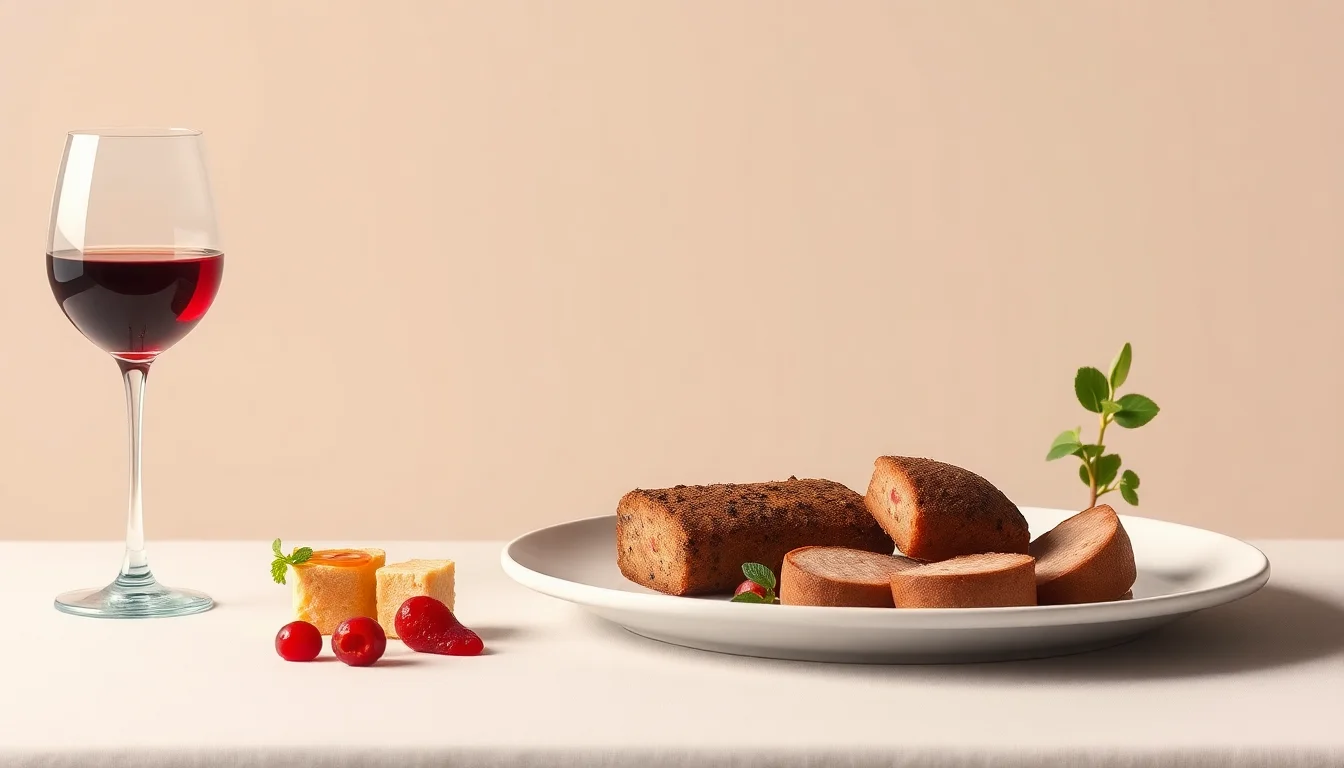
Luxury food isn't merely about taste; it's a complex interplay of rarity, meticulous craftsmanship, historical provenance, and aspirational branding. From the…
Contents
- 🍽️ What Exactly *Is* Luxury Food?
- 📜 A Brief History of Elite Eating
- 💎 The Hallmarks of High-End Cuisine
- 🌍 Global Ingredients, Local Palates
- 💰 The Price of Prestige
- 🧑🍳 Who's Crafting This Culinary Art?
- 🥂 Pairings: Beyond the Plate
- 📈 The Future of Fine Dining
- 🤔 Is It Worth the Splurge?
- 💡 Pro Tips for the Aspiring Epicure
- Frequently Asked Questions
- Related Topics
Overview
Luxury food isn't merely about taste; it's a complex interplay of rarity, meticulous craftsmanship, historical provenance, and aspirational branding. From the $1,000 per pound white truffle of Alba to the $2,000 per ounce Kopi Luwak coffee, these items command astronomical prices due to factors like limited supply, intensive labor, and a carefully cultivated mystique. The perception of luxury is often as crucial as the product itself, driven by elite chefs, exclusive retailers, and a global clientele seeking not just sustenance, but an experience that signifies status and discernment. Understanding luxury food requires examining its origins, the economic forces that inflate its value, and the cultural narratives that sustain its desirability in a world increasingly focused on authenticity and provenance.
🍽️ What Exactly *Is* Luxury Food?
Luxury food, at its core, is an experience designed to transcend mere sustenance. It's about the meticulous craft, the rarity of ingredients, and the sensory journey that engages not just taste, but sight, smell, and even touch. This isn't your everyday meal; it's a curated event, often found in Michelin Star restaurants or exclusive private dining rooms, catering to those with a discerning palate and the means to indulge. The emphasis is on haute cuisine, where every element is refined, from the sourcing of ingredients to the final plating.
📜 A Brief History of Elite Eating
The concept of 'gourmet' isn't new. For centuries, elites have sought out the finest and rarest foods. Think of Roman emperors feasting on dormice or medieval kings with access to spices from the East. These historical precedents established a pattern: rarity, exoticism, and elaborate preparation became markers of status. The French haute cuisine movement in the 17th and 18th centuries codified many of these practices, setting a global standard that continues to influence high-end dining today, as documented in texts like Larousse Gastronomique.
💎 The Hallmarks of High-End Cuisine
What separates a $100 steak from a $20 one? It's a confluence of factors. Expect ingredients of unparalleled quality, such as Wagyu beef, Beluga caviar, or truffles harvested at their peak. The preparation involves complex techniques and often takes hours, if not days. Presentation is paramount, transforming each dish into a visual masterpiece. Portion sizes are typically modest, allowing diners to appreciate the intensity of flavors and textures without being overwhelmed.
🌍 Global Ingredients, Local Palates
The pursuit of luxury often involves a global pantry. Chefs scour the world for unique ingredients – think Kobe beef from Japan, saffron from Iran, or rare fruits from South America. This cross-cultural exchange enriches culinary traditions, introducing novel flavors and textures. However, the true artistry lies in integrating these exotic elements with local produce and culinary heritage, creating a harmonious, albeit expensive, symphony on the plate. This fusion is a hallmark of fusion cuisine at its highest echelon.
💰 The Price of Prestige
Let's be blunt: luxury food isn't cheap. A tasting menu at a top-tier restaurant can easily run from $200 to $500 per person, before drinks. Rare ingredients like Almas caviar can cost thousands of dollars per ounce. This premium reflects the cost of sourcing exceptional ingredients, the extensive labor involved, the expertise of the chefs, and the overall dining experience, including impeccable service and ambiance. It's an investment in a memorable, often fleeting, moment.
🧑🍳 Who's Crafting This Culinary Art?
The architects of luxury food are often celebrated world-renowned chefs. Figures like Alain Ducasse, with his empire of Michelin-starred establishments, or Heston Blumenthal, a pioneer of molecular gastronomy, have redefined what's possible in the kitchen. These culinary visionaries push boundaries, experiment with new techniques, and inspire a generation of chefs dedicated to the art of fine dining.
🥂 Pairings: Beyond the Plate
Luxury food is rarely enjoyed in isolation. The beverage pairing is an integral part of the experience. This can range from fine wines meticulously selected to complement each course, to rare artisanal spirits and bespoke cocktails. Sommeliers and mixologists play a crucial role, guiding diners through complex wine lists or crafting unique concoctions that elevate the meal. The right pairing can transform a great dish into an unforgettable one.
📈 The Future of Fine Dining
The future of luxury food is likely to be shaped by sustainability and technology. While rarity and indulgence will remain, expect a greater emphasis on ethically sourced, farm-to-table ingredients and innovative, eco-friendly practices. Vertical farms and lab-grown delicacies might become more commonplace. Chefs will continue to push the boundaries of food science, but the core appeal of exquisite taste and unparalleled experience will endure.
🤔 Is It Worth the Splurge?
The question of whether luxury food is 'worth it' is subjective. For the dedicated gourmand, the answer is often a resounding yes. It's about experiencing the pinnacle of culinary achievement, savoring unique flavors, and enjoying an exceptional level of service. For others, the high cost might outweigh the perceived value, preferring more accessible, yet still high-quality, dining experiences. It's a personal calculus of taste, budget, and the desire for a truly special occasion.
💡 Pro Tips for the Aspiring Epicure
Navigating the world of luxury food can be daunting. Start by researching Michelin-starred establishments in your area or destination. Read reviews, but also trust your intuition. Don't be afraid to ask questions of the staff; they are there to enhance your experience. Consider a tasting menu for the full chef's vision, but ensure you communicate any dietary restrictions well in advance. Finally, approach it with an open mind and a willingness to explore new sensations.
Key Facts
- Year
- Ancient
- Origin
- Global
- Category
- Gastronomy
- Type
- Concept
Frequently Asked Questions
What's the difference between 'gourmet' and 'luxury food'?
While often used interchangeably, 'gourmet' generally refers to high-quality, refined food and drink, emphasizing discerning taste and preparation. 'Luxury food' typically implies a higher tier, characterized by extreme rarity, exorbitant cost, and an exclusive, often opulent, dining experience. Think of 'gourmet' as excellent quality, and 'luxury' as the pinnacle of that quality, often with significant prestige attached.
Are portion sizes always small in luxury dining?
Yes, typically. The philosophy behind small portions in luxury dining is to allow guests to fully appreciate the complex flavors and textures of each dish without becoming overly full. It also facilitates the consumption of multiple courses, offering a broader tasting experience. This contrasts with more casual dining where larger portions are common.
How can I find authentic luxury food experiences?
Look for establishments with Michelin stars, high ratings in reputable guides like The World's 50 Best Restaurants, or recommendations from trusted food critics. Research the chef's background and the restaurant's philosophy. Often, word-of-mouth from fellow enthusiasts can also point you to hidden gems.
What are some common examples of luxury food ingredients?
Iconic luxury ingredients include Beluga caviar, white and black truffles, Wagyu and Kobe beef, foie gras, saffron, rare seafood like bluefin tuna otoro, and certain exotic fruits or spices that are difficult to cultivate or harvest.
Is tipping expected in luxury restaurants?
Tipping practices vary significantly by region. In countries like the United States, where service staff often rely heavily on tips, it's customary to tip 15-20% or more for excellent service, even in luxury establishments. In many European countries, service charges may be included in the bill, or tipping is less pronounced. Always check local customs or the restaurant's policy.
Can I request substitutions for dietary restrictions?
Most high-end restaurants are accustomed to accommodating dietary restrictions (allergies, vegetarian, vegan, etc.) but it's crucial to inform them well in advance, ideally when making your reservation. While they will do their best, extreme restrictions might limit the available options or require adjustments to the chef's intended tasting menu.