Loyalty Programs: The Engine of Customer Retention | Vibepedia
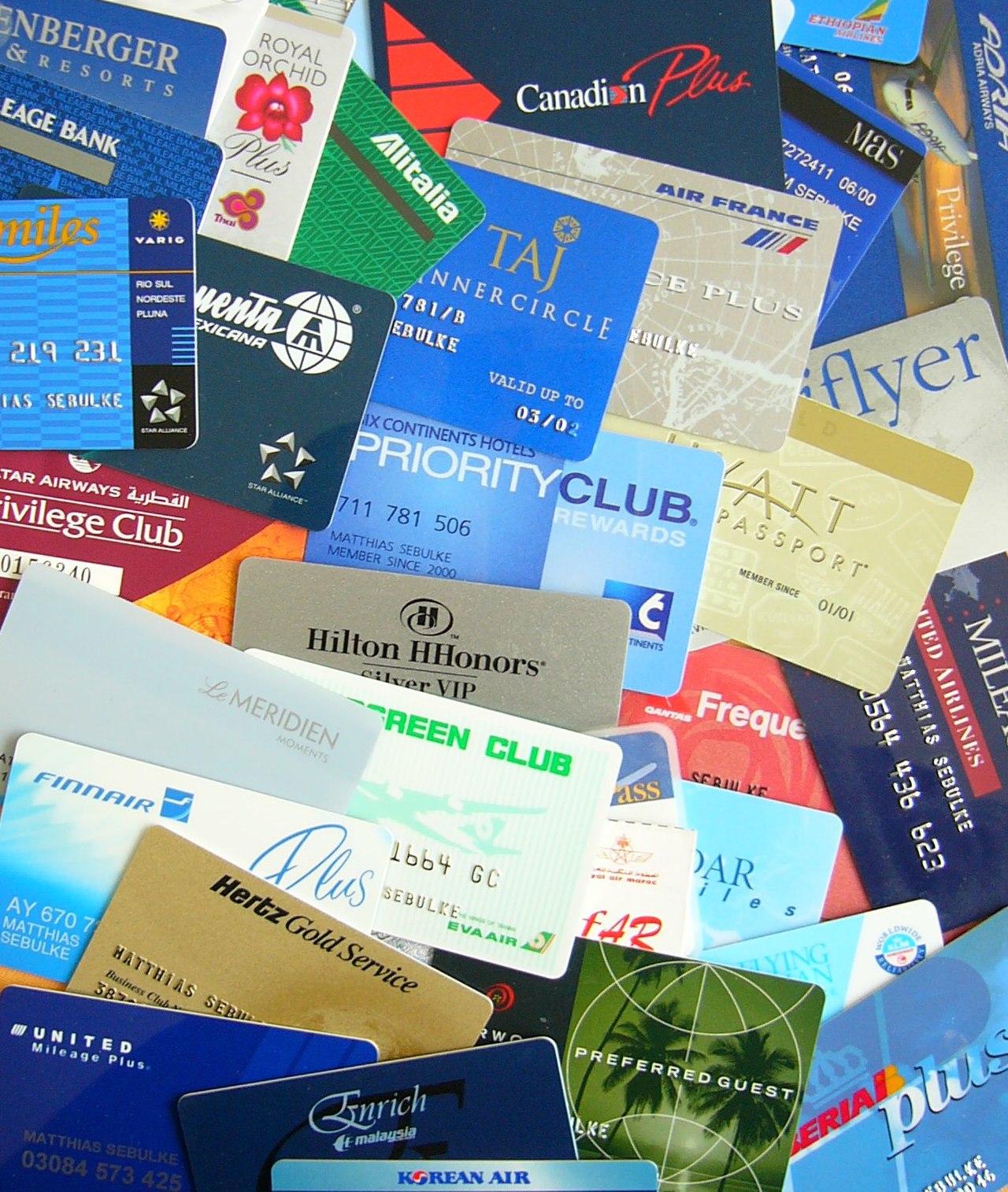
Loyalty programs are the strategic backbone for businesses aiming to cultivate enduring customer relationships. Evolving from simple stamp cards to…
Contents
- 🚀 What Exactly Are Loyalty Programs?
- 📈 Why Businesses Live and Die By Them
- 💡 The Mechanics: How Points Become Power
- ⭐ Popular Program Types & Examples
- 💰 The Cost vs. The Gain: ROI Deep Dive
- 🤔 The Skeptic's Corner: Are They *Really* Working?
- 🌐 Global Reach and Cultural Impact
- 🚀 The Future of Loyalty: Beyond Points
- 💡 Getting Started: Building Your Own Program
- 🤝 Partnering Up: The Power of Alliances
- Frequently Asked Questions
- Related Topics
Overview
Loyalty programs are the strategic backbone for businesses aiming to cultivate enduring customer relationships. Evolving from simple stamp cards to sophisticated, data-driven ecosystems, these programs incentivize repeat purchases and foster brand advocacy. They operate on a fundamental principle: reward desired behavior. Understanding their mechanics, from tiered structures and points systems to experiential rewards and community building, is crucial for both consumers navigating their options and businesses designing effective retention strategies. The modern loyalty program is a complex interplay of data analytics, behavioral economics, and brand storytelling, aiming to create a sticky customer journey that transcends mere transactional exchanges.
🚀 What Exactly Are Loyalty Programs?
Loyalty programs are more than just punch cards; they're sophisticated [[marketing strategies]] designed to cultivate repeat business. At their core, they offer tangible incentives—discounts, exclusive access, or special perks—to customers who consistently engage with a brand. Think of them as a formal handshake, a codified promise between a business and its most valuable patrons. The goal is simple: make customers feel appreciated and give them a compelling reason to choose you over the competition, time and time again. This isn't just about transactional exchanges; it's about building a [[customer relationship]] that transcends a single purchase.
📈 Why Businesses Live and Die By Them
For businesses, loyalty programs are the bedrock of sustainable growth. They are the engine that drives [[customer retention]], a metric far more cost-effective than acquiring new customers. Acquiring a new customer can cost five times more than retaining an existing one, a statistic that makes loyalty programs an indispensable tool. Beyond retention, these programs foster brand advocacy, turning satisfied customers into vocal proponents. They provide invaluable [[customer data]] that can inform product development, marketing campaigns, and overall business strategy. In essence, a well-executed loyalty program is a direct investment in a company's long-term viability and profitability.
💡 The Mechanics: How Points Become Power
The magic behind most loyalty programs lies in their tiered reward systems, often built around points. Customers earn points for every dollar spent, every referral made, or specific actions taken. These points then accumulate, unlocking progressively better rewards as a customer climbs the loyalty ladder. This gamified approach taps into psychological drivers, making the accumulation and redemption of points an engaging experience. For instance, a customer might aim for a 'gold tier' status to receive free shipping or early access to new products, creating a clear path to desired benefits. The [[point redemption]] process itself needs to be seamless and valuable to maintain engagement.
⭐ Popular Program Types & Examples
Loyalty programs manifest in various forms, each with its own appeal. [[Tiered programs]] reward increasing levels of loyalty with escalating benefits, like Marriott Bonvoy's Silver, Gold, and Platinum elite statuses. [[Points-based programs]], the most common, allow customers to redeem accumulated points for discounts or merchandise, seen in Starbucks Rewards. [[Paid programs]] or VIP clubs, such as Amazon Prime, offer premium benefits for an annual fee. Then there are [[cashback programs]], where a percentage of spending is returned to the customer, a staple in the credit card industry. Each model caters to different customer motivations and business objectives.
💰 The Cost vs. The Gain: ROI Deep Dive
The financial calculus of loyalty programs is critical. While the upfront cost of rewards, technology, and marketing can seem substantial, the return on investment (ROI) is often significant. Loyal customers tend to spend more over their lifetime—estimates suggest they can be worth 10 times more than a one-time buyer. Furthermore, reduced customer acquisition costs and increased purchase frequency contribute to a healthier bottom line. However, poorly designed programs with unappealing rewards or complex redemption processes can lead to low engagement and wasted expenditure. A careful analysis of [[customer lifetime value]] is essential to justify program costs.
🤔 The Skeptic's Corner: Are They *Really* Working?
Despite their widespread adoption, loyalty programs aren't without their critics. Some argue that they merely reward customers who would have remained loyal anyway, offering little incremental value. Others point to the increasing saturation of the market, where consumers are bombarded with competing offers, leading to 'loyalty fatigue.' There's also the concern that programs can commoditize relationships, reducing customer loyalty to a purely transactional calculation rather than genuine brand affinity. The debate often centers on whether these programs truly foster deep emotional connections or simply incentivize price-sensitive behavior. The [[effectiveness of loyalty programs]] is a constant subject of discussion among marketers.
🌐 Global Reach and Cultural Impact
Loyalty programs are a global phenomenon, but their implementation and reception vary significantly across cultures. In Western markets, points and discounts are standard, while in some Asian countries, exclusive experiences and community building are prioritized. The rise of [[digital loyalty platforms]] has facilitated easier cross-border program management, but cultural nuances remain crucial for success. Understanding local consumer behavior and preferences is key to designing programs that resonate. For instance, a program that thrives in the US might need significant adaptation to succeed in Japan or India. The [[cultural impact of loyalty programs]] is a fascinating area of study.
🚀 The Future of Loyalty: Beyond Points
The future of loyalty programs is moving beyond simple points and discounts. We're seeing a greater emphasis on [[experiential rewards]], personalized offers driven by AI and machine learning, and the integration of loyalty programs into broader ecosystems. Blockchain technology is also emerging as a potential disruptor, offering enhanced security and transparency for reward points. The focus is shifting from transactional loyalty to emotional and community-based loyalty, fostering deeper connections. Brands are exploring how to make loyalty programs feel less like a transaction and more like an ongoing, valued relationship. The ultimate goal is to create a [[customer journey]] that feels consistently rewarding.
💡 Getting Started: Building Your Own Program
Launching a successful loyalty program requires careful planning. First, define your objectives: are you aiming for increased purchase frequency, higher average order value, or enhanced customer engagement? Identify your target audience and understand what motivates them—are they driven by discounts, exclusivity, or convenience? Choose a program structure that aligns with your business model, whether it's points-based, tiered, or a hybrid. Select a reliable [[loyalty program software]] provider to manage enrollment, tracking, and redemption. Crucially, ensure your rewards are desirable and attainable, and communicate the program's benefits clearly and consistently to your customers. A pilot program can help iron out kinks before a full rollout.
🤝 Partnering Up: The Power of Alliances
Strategic partnerships can amplify the reach and appeal of loyalty programs. By collaborating with complementary businesses, companies can offer a wider array of rewards and attract new customer segments. For example, an airline might partner with a hotel chain or a car rental company to create a comprehensive travel rewards ecosystem. This not only enhances the value proposition for existing members but also exposes the program to a new audience. [[Co-branded credit cards]] are a prime example, allowing customers to earn rewards from both the card issuer and the partner brand. Such alliances can create powerful network effects, driving greater engagement and loyalty across all participating entities.
Key Facts
- Year
- 1900
- Origin
- The concept of rewarding repeat customers dates back to the late 19th century with trading stamps, popularized by companies like Sperry & Hutchinson (S&H Green Stamps) in the early 20th century. The modern iteration, however, gained significant traction with the advent of airline frequent flyer programs in the 1980s, notably American Airlines' AAdvantage program launched in 1981.
- Category
- Business & Economics
- Type
- Topic
Frequently Asked Questions
What's the difference between a loyalty program and a discount?
A discount is a one-time price reduction, while a loyalty program is a structured, ongoing strategy to reward repeat business over time. Loyalty programs aim to build a sustained relationship, encouraging customers to return by offering accumulating benefits, exclusive perks, or tiered rewards that go beyond a simple price cut. Discounts are transactional; loyalty programs are relational.
How much does it cost to implement a loyalty program?
Costs vary widely depending on the program's complexity, the technology used, and the value of the rewards offered. Basic programs might cost a few hundred dollars per month for software, while sophisticated, enterprise-level solutions with custom integrations and significant reward redemptions can run into tens of thousands or more annually. Factor in marketing and operational costs as well.
Can small businesses afford loyalty programs?
Absolutely. Small businesses can implement highly effective, low-cost loyalty programs. Simple punch cards, digital stamp cards via apps like Stamp Me, or basic points systems managed through POS software can be very effective. The key is to offer rewards that are meaningful to your specific customer base and to communicate the program clearly. The ROI from increased repeat business often outweighs the minimal investment.
What are the most common mistakes in loyalty program design?
Common pitfalls include making rewards too difficult to earn or redeem, offering unappealing rewards, failing to communicate program benefits effectively, and not collecting or acting on customer data. Overcomplicating the program structure can also deter participation. A program that feels like a chore rather than a benefit is doomed to fail.
How do I measure the success of my loyalty program?
Key metrics include customer retention rate, repeat purchase rate, average order value of loyalty members vs. non-members, customer lifetime value, program participation rate, and redemption rate. Tracking these metrics against your initial objectives will tell you if the program is delivering the desired ROI.
Is it better to have a standalone loyalty program or integrate it with existing systems?
Integration is almost always superior. Integrating your loyalty program with your [[point-of-sale (POS)]] system, [[e-commerce platform]], and [[CRM software]] allows for seamless data capture, personalized offers, and a smoother customer experience. Standalone programs often create data silos and friction for both customers and staff.