Lorisids | Vibepedia
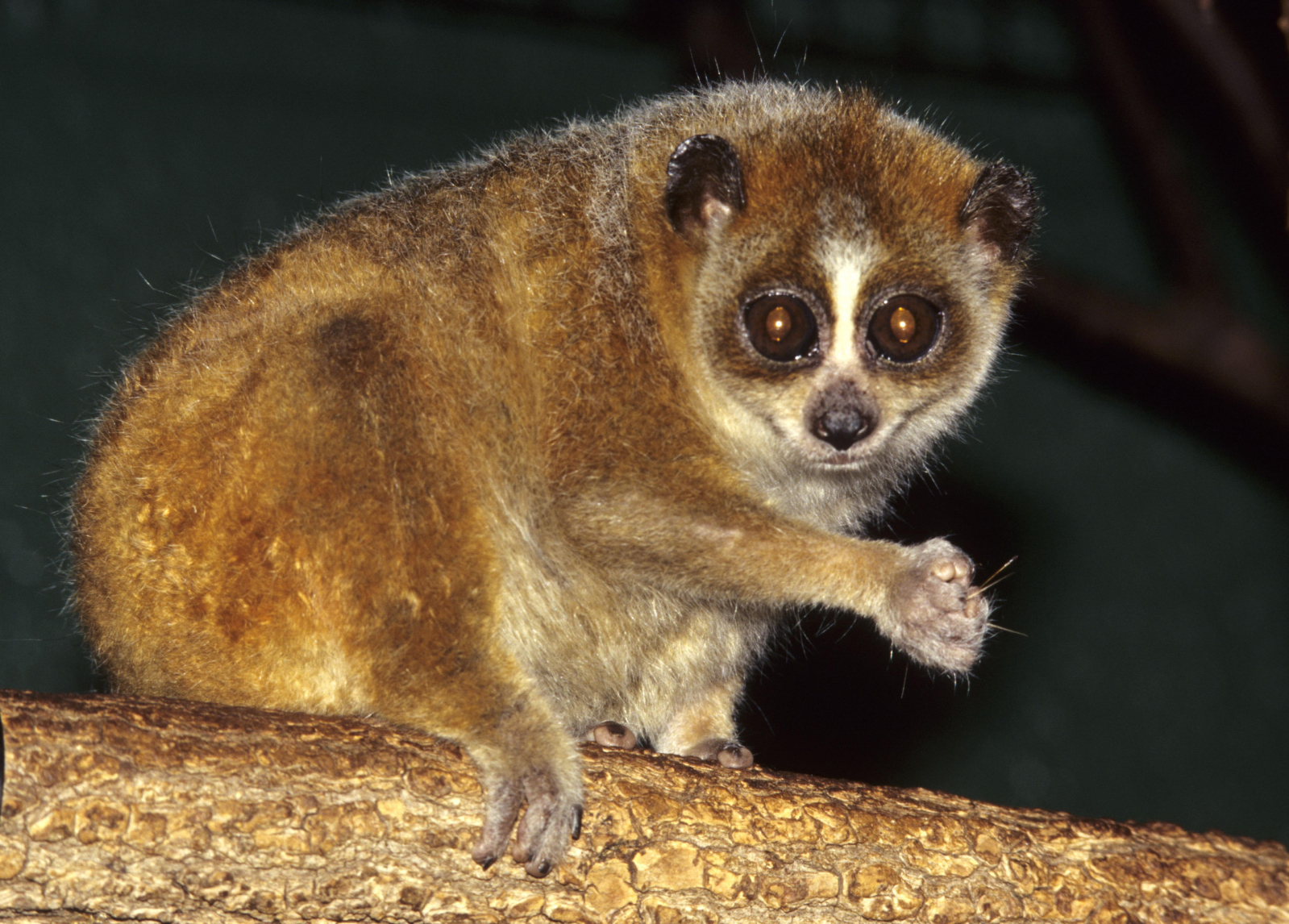
Lorisids are a family of strepsirrhine primates, comprising lorises, pottos, and angwantibos, characterized by their slim, arboreal bodies and nocturnal…
Contents
Overview
The lorisids are a family of strepsirrhine primates, which includes the lorises, pottos, and angwantibos. They are found in tropical, central Africa as well as in south and southeast Asia, where they inhabit the forests of countries such as Indonesia, Malaysia, and Thailand. The Lorisidae family is thought to have originated around 60 million years ago, during the Paleocene epoch, and has since evolved into several distinct species, including the slow loris and the pygmy slow loris.
🔍 Physical Characteristics
Lorisids are characterized by their slim, arboreal bodies, which are adapted for climbing and jumping through the trees. They have large eyes, which are sensitive to low light levels, and a keen sense of hearing, which helps them to detect potential predators, such as snakes and birds of prey. They are also known for their unique, toxic bite, which they use to defend themselves from predators, and is made possible by the presence of a toxin-producing gland in their elbow. This unique adaptation is shared with other primates, such as the tarsier.
🌴 Habitat & Behavior
Lorisids are nocturnal animals, which means they are active at night and rest during the day. They are solitary animals and have large home ranges, which they mark with scent to keep other lorisids away. They are also skilled climbers and jumpers, and are able to leap long distances through the trees with ease, using their powerful hind legs and sharp claws. In the wild, they can be found in the same habitats as other nocturnal animals, such as bats and owls.
👥 Conservation Status
Unfortunately, many lorisid species are threatened by habitat loss and hunting, and are listed as endangered on the iucn red list. Conservation efforts are underway to protect these unique and fascinating creatures, including the creation of protected areas, such as national parks and wildlife sanctuaries, and education programs to raise awareness about the importance of conservation, such as the world wildlife fund.
Key Facts
- Year
- 60 million years ago
- Origin
- Tropical Africa and Asia
- Category
- nature
- Type
- family
Frequently Asked Questions
What is the typical diet of lorisids?
Lorisids are omnivores and their diet consists of fruits, leaves, and insects, which they forage for at night, using their keen sense of smell and hearing, and are often found in the same habitats as other nocturnal animals, such as bats and owls.
How do lorisids defend themselves from predators?
What is the conservation status of lorisid species?
Many lorisid species are threatened by habitat loss and hunting, and are listed as endangered on the iucn red list. Conservation efforts are underway to protect these unique and fascinating creatures, including the creation of protected areas, such as national parks and wildlife sanctuaries, and education programs to raise awareness about the importance of conservation, such as the world wildlife fund.
What is the typical social structure of lorisids?
How do lorisids adapt to their environment?
Lorisids have adapted to their environment in several ways, including their large eyes, which are sensitive to low light levels, and their keen sense of hearing, which helps them to detect potential predators, such as snakes and birds of prey. They are also able to regulate their body temperature, using their thick fur and slow metabolism, which helps them to conserve energy in their tropical environment.