Live Streaming: The Real-Time Pulse of the Internet | Vibepedia
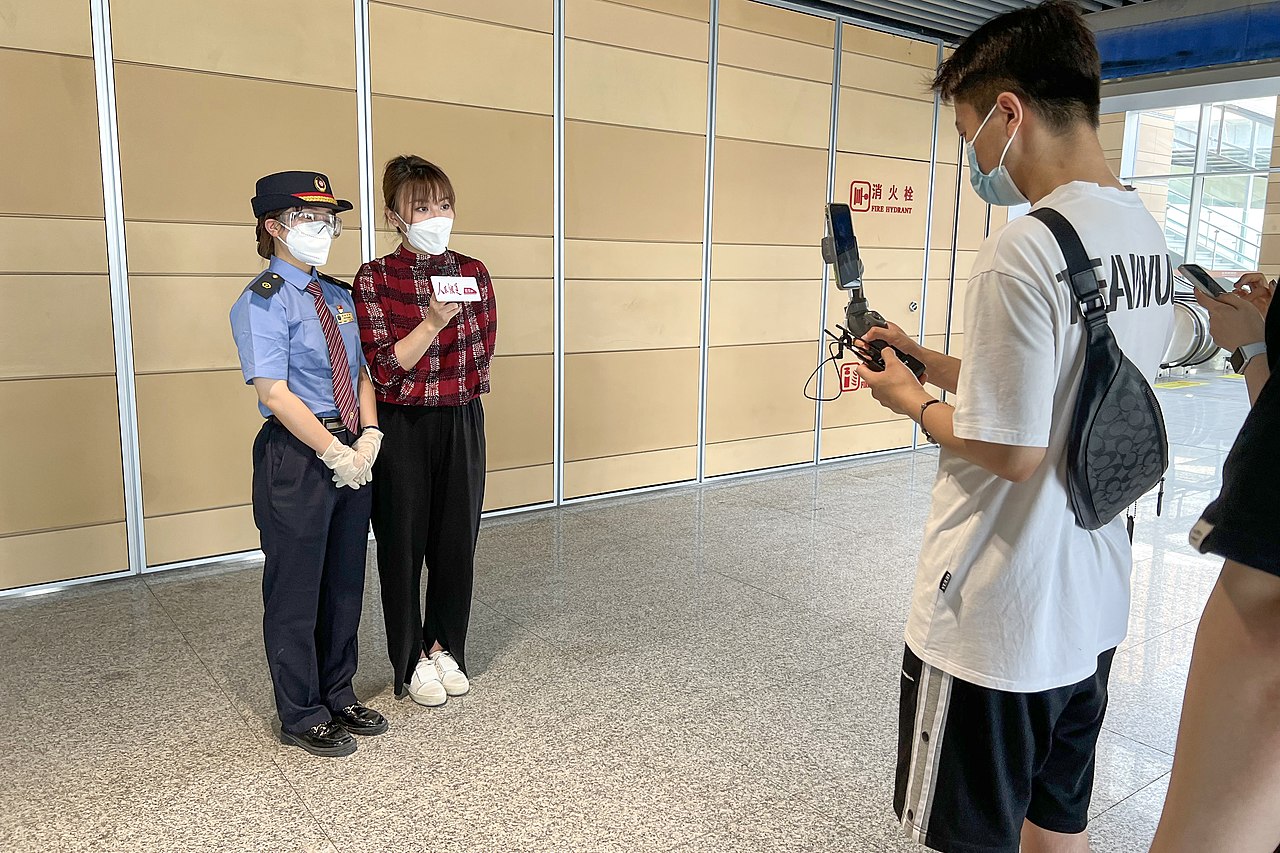
Live streaming has evolved from niche tech demos to a dominant force in entertainment, commerce, and communication. Initially hobbled by bandwidth limitations…
Contents
- 📹 What is Live Streaming, Really?
- 🚀 Who's Tuning In and Why?
- 📡 The Tech Behind the Vibe
- 💰 Monetization: Turning Views into Value
- 📈 Platform Wars: Where to Broadcast?
- ⚖️ The Controversy Spectrum
- 💡 Essential Gear for Aspiring Streamers
- 🌟 Vibepedia's Vibe Score & Outlook
- Frequently Asked Questions
- Related Topics
Overview
Live streaming has evolved from niche tech demos to a dominant force in entertainment, commerce, and communication. Initially hobbled by bandwidth limitations and rudimentary platforms, its explosion in the 2010s, fueled by mobile ubiquity and services like Twitch and YouTube Live, democratized content creation. Today, it underpins everything from esports and influencer marketing to corporate town halls and global news events. Understanding live streaming means grasping its technical underpinnings (RTMP, HLS, WebRTC), its cultural impact (community building, parasocial relationships), and its economic models (ads, subscriptions, donations, NFTs). The future points toward interactive experiences, AI-driven content moderation, and deeper integration with virtual and augmented realities.
📹 What is Live Streaming, Really?
Live streaming isn't just video that plays now; it's the internet's immediate pulse, a direct conduit from creator to audience in the moment. Unlike pre-recorded content on platforms like [[YouTube|YouTube]] or [[TikTok|TikTok]], live streaming captures events, conversations, and performances as they unfold, fostering a sense of shared experience. This real-time interaction is the defining characteristic, distinguishing it from the more passive consumption of video-on-demand. Think of it as the difference between watching a recorded concert and being in the front row, feeling the energy as it happens. The immediacy is paramount, creating a unique connection that static media simply cannot replicate.
🚀 Who's Tuning In and Why?
The audience for live streaming is incredibly diverse, spanning gamers dominating [[Twitch|Twitch]] with millions of concurrent viewers, to educators hosting live Q&As, musicians performing intimate sets, and politicians broadcasting rallies. Its appeal lies in its authenticity and interactivity. Viewers tune in for the raw, unedited nature of the content, the ability to engage directly with creators through chat, and the thrill of witnessing events unfold live. This dynamic creates a powerful [[community building|community]] effect, where viewers feel like active participants rather than passive observers. The Vibe Score for live streaming often spikes during major global events or viral trends.
📡 The Tech Behind the Vibe
Under the hood, live streaming relies on a complex interplay of hardware and software. Broadcasters capture video and audio using cameras and microphones, which are then encoded into a digital format. This encoded data is sent to a streaming server, often hosted by a platform like [[StreamYard|StreamYard]] or directly by the broadcaster's infrastructure. The server then distributes this stream to viewers, who access it through their devices via the internet. Technologies like RTMP (Real-Time Messaging Protocol) and HLS (HTTP Live Streaming) are critical for ensuring smooth, low-latency delivery, though debates persist on optimal [[streaming protocols|protocol]] for different use cases.
💰 Monetization: Turning Views into Value
Monetization in live streaming is a multi-pronged affair, moving beyond simple ad revenue. Creators can earn through direct viewer support via [[donations|donations]] and subscriptions, often facilitated by platform features like Twitch's Bits or YouTube's Super Chat. Brand sponsorships, affiliate marketing, and selling merchandise are also common revenue streams. Some platforms offer revenue-sharing models, while others allow creators to set their own pricing for exclusive content or access. The effectiveness of these models is a constant point of discussion among streamers aiming for sustainable careers.
📈 Platform Wars: Where to Broadcast?
The live streaming platform landscape is fiercely competitive, dominated by giants but with room for niche players. [[Twitch|Twitch]] remains the king of gaming, while [[YouTube Live|YouTube Live]] offers broader appeal across various content categories. Facebook Live and Instagram Live leverage massive existing social networks, making them accessible for everyday users and businesses. Emerging platforms like [[Kick|Kick]] are attempting to disrupt the status quo with different revenue-sharing models and content policies. Choosing the right platform often depends on the streamer's content niche, target audience, and desired monetization strategies.
⚖️ The Controversy Spectrum
The live streaming ecosystem is not without its controversies. Issues surrounding content moderation, copyright infringement, and the spread of misinformation are persistent challenges. The real-time nature makes it difficult to police content effectively, leading to debates about platform responsibility versus creator autonomy. Harassment and toxic behavior in chat rooms are also significant concerns, prompting platforms to develop more robust tools for community management. The controversy spectrum for live streaming is high, with ongoing debates about censorship and free speech.
💡 Essential Gear for Aspiring Streamers
For those looking to enter the live streaming arena, basic gear is essential. A reliable internet connection is non-negotiable, ideally with a high upload speed. A decent webcam (e.g., Logitech C920) or a dedicated camera with a capture card is a good starting point. Clear audio is often more critical than video quality, making a dedicated microphone (like a Blue Yeti or Rode NT-USB) a wise investment. For more professional setups, consider lighting equipment and green screens. Software like OBS Studio or Streamlabs OBS is crucial for managing your stream's output and overlays.
🌟 Vibepedia's Vibe Score & Outlook
Vibepedia's Vibe Score for live streaming currently hovers around an energetic 85/100, reflecting its dynamic and ever-present influence on internet culture. The outlook is overwhelmingly optimistic, with continued growth projected as new technologies like [[5G streaming|5G]] and improved [[VR/AR integration|VR/AR]] become more accessible. The potential for live commerce, interactive education, and immersive entertainment suggests live streaming will remain a dominant force. The key question moving forward is not if live streaming will evolve, but how it will reshape digital interaction and community in the coming years, and which platforms will lead that charge.
Key Facts
- Year
- 1993
- Origin
- The first documented live stream was by the band Severe Tire Damage in 1993, broadcasting a Rolling Stones concert over the internet. Early pioneers like RealNetworks (1995) and the BBC's iMP (1997) laid the groundwork, but widespread adoption lagged until the 2000s with platforms like Justin.tv (later Twitch, 2011) and YouTube Live (2011).
- Category
- Digital Media & Technology
- Type
- Core Technology & Cultural Phenomenon
Frequently Asked Questions
What's the main difference between live streaming and regular video platforms like YouTube?
The core difference is real-time delivery. Live streaming broadcasts content as it happens, allowing for immediate viewer interaction via chat. Regular video platforms like YouTube primarily host pre-recorded content that viewers watch on-demand. This immediacy is what gives live streaming its unique pulse and community feel.
Is live streaming only for gamers?
Absolutely not. While gaming is a massive category on platforms like Twitch, live streaming encompasses a vast range of content. Musicians perform concerts, educators host classes, chefs demonstrate recipes, politicians hold town halls, and businesses conduct product launches – all live. The format's interactivity makes it versatile for almost any creator or topic.
How do live streamers make money?
Streamers employ multiple monetization strategies. Direct viewer support through donations, subscriptions, and platform-specific virtual currencies (like Twitch Bits) is common. Brand sponsorships, affiliate marketing, selling merchandise, and even offering premium content or courses are also significant revenue streams. Many successful streamers diversify their income to ensure stability.
What's the minimum equipment I need to start live streaming?
At a minimum, you need a stable internet connection with good upload speed. A modern smartphone can often suffice for basic streaming. For better quality, consider a decent webcam (like a Logitech C920), a dedicated USB microphone (e.g., Blue Yeti), and free streaming software like OBS Studio. Lighting can significantly improve video quality even with basic equipment.
Which live streaming platform is best for beginners?
For beginners, platforms like YouTube Live or Facebook Live can be very accessible due to their large existing user bases and relatively straightforward setup. Twitch is excellent for gaming content and building a dedicated community, though it has a steeper learning curve. Consider where your target audience spends their time and what type of content you plan to create.
How important is viewer interaction in live streaming?
Viewer interaction is arguably the most crucial element that differentiates live streaming from other media. It fosters community, builds loyalty, and provides creators with immediate feedback. Engaging with chat, responding to comments, and incorporating viewer suggestions can dramatically enhance the viewing experience and the streamer's connection with their audience.