Lapis Lazuli | Vibepedia
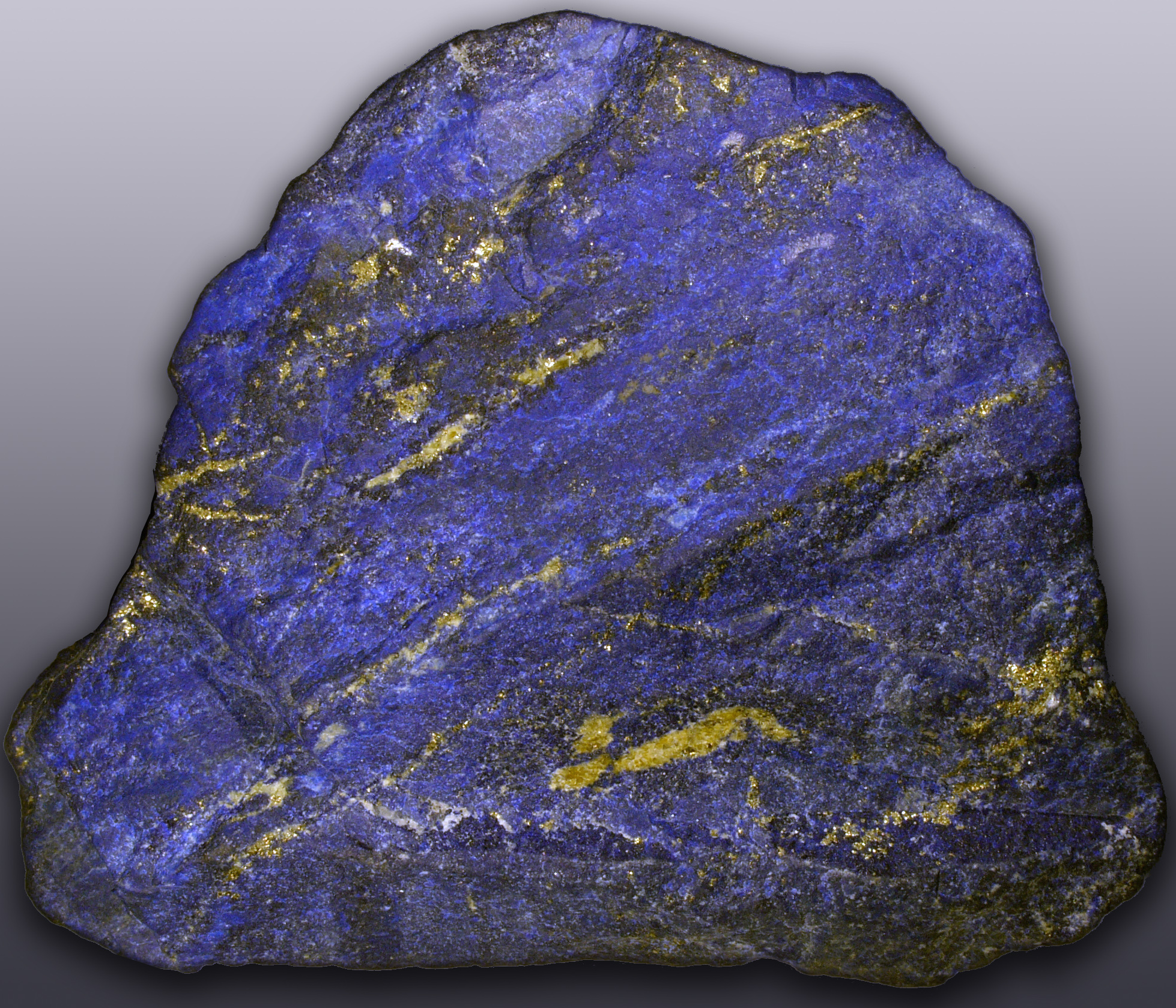
Lapis lazuli is a deep-blue metamorphic rock, prized since antiquity for its intense color and rich history. Primarily composed of lazurite, pyrite, and…
Contents
Overview
The story of lapis lazuli is etched in millennia, with its origins tracing back to the Sar-i Sang mines in Badakhshan Province, Afghanistan, where it was extracted as early as the 7th millennium BC. Artifacts of lapis have been unearthed at Bhirrana, marking it as one of the oldest sites associated with the Indus Valley Civilization (3300–1900 BC). This prized stone journeyed through ancient trade routes, appearing in Neolithic burials across the Caucasus and as far west as Mauritania. Its deep blue hue captivated the Egyptians, who used it in amulets and inlay work, most famously in the funerary mask of Tutankhamun (circa 1341–1323 BC). The Romans, believing it to be a potent aphrodisiac, also valued it, though its true chemical nature remained a mystery for centuries.
⚙️ Composition & Formation
Lapis lazuli isn't a single mineral but a metamorphic rock, a complex aggregate primarily composed of the mineral lazurite, which imparts its signature deep blue color. Interspersed within this matrix are often flecks of pyrite, resembling golden stars, and veins of calcite, which appear as white streaks. The specific proportions of these minerals, along with trace amounts of other silicates like haüyne and diopside, dictate the stone's final appearance, ranging from a uniform, intense blue to a more variegated pattern. Its formation typically occurs through contact metamorphism, where existing limestone or marble is altered by heat and pressure from nearby igneous intrusions, a geological process that has primarily occurred in the mountainous regions of Afghanistan.
📊 Key Facts & Numbers
The global demand for lapis lazuli has historically been significant. High-quality lapis lazuli, characterized by its intense, uniform blue color with minimal calcite and well-distributed pyrite, can fetch prices upwards of $100 per carat, though common grades are significantly less. Today, synthetic ultramarine is widely available, but natural lapis lazuli pigment remains a niche, high-value product.
👥 Key Figures & Civilizations
The allure of lapis lazuli has been recognized by numerous ancient civilizations and influential figures. The Indus Valley Civilization extensively used lapis for beads and decorative objects, indicating its high status. In ancient Egypt, it was associated with the heavens and royalty, adorning sarcophagi and royal jewelry, with figures like Queen Nefertiti reportedly favoring it. The Sumerians believed it was a divine stone, and its presence in royal tombs across Mesopotamia underscores its importance. Later, during the Renaissance, artists like Titian and Vermeer paid exorbitant sums for natural ultramarine pigment derived from lapis, using it for the robes of the Virgin Mary and other significant figures, a testament to its perceived sacredness and rarity.
🌍 Cultural Impact & Influence
Lapis lazuli's impact extends far beyond mere adornment. Its most profound cultural contribution is undoubtedly the creation of ultramarine pigment, a vibrant blue that was unparalleled in its intensity and permanence for centuries. This pigment, painstakingly ground from lapis lazuli, was a cornerstone of Renaissance art, allowing artists to depict divine figures and royal regalia with unprecedented brilliance. The very word 'lapis lazuli' has influenced language, with 'lāžward' in Persian giving rise to 'azul' in Spanish and Portuguese, and 'azure' in English, cementing the stone's association with the color blue. Its use in religious artifacts and royal regalia across cultures also imbued it with spiritual and symbolic significance, representing truth, wisdom, and divine power.
⚡ Current State & Latest Developments
In the contemporary market, lapis lazuli remains a sought-after gemstone, though its dominance as a primary source for blue pigment has waned due to the advent of synthetic ultramarine. Afghanistan continues to be the principal source, with mining operations managed by entities like the Afghan Mining Company. However, concerns about ethical sourcing and the environmental impact of mining persist. The gemstone market sees lapis lazuli used in a variety of jewelry, from rings and necklaces to decorative inlay work in furniture and objets d'art. The demand for natural lapis lazuli pigment, while small, is sustained by a niche market of art restorers and traditional painters who value its unique properties and historical authenticity.
🤔 Controversies & Debates
The primary controversy surrounding lapis lazuli centers on its mining practices, particularly in Afghanistan. Reports from organizations like Global Witness have highlighted issues of illegal mining, corruption, and the potential for conflict financing linked to the trade. The extraction process itself can be environmentally disruptive, and ensuring fair labor practices for miners remains a challenge. Furthermore, the market is susceptible to imitations and treatments, such as dyeing or resin impregnation, which can mislead consumers about the stone's authenticity and value. Debates also arise regarding the definition of 'high-quality' lapis, with varying preferences for the presence and distribution of calcite and pyrite.
🔮 Future Outlook & Predictions
The future of lapis lazuli is likely to be shaped by a confluence of factors, including advancements in sustainable mining technologies and increased transparency in the supply chain. Efforts are underway to improve mining conditions in Afghanistan, potentially through partnerships with international organizations and the implementation of stricter regulations by the Afghan Ministry of Mines and Petroleum. While synthetic ultramarine will continue to dominate the pigment market, the demand for natural lapis lazuli pigment may see a resurgence among artists and collectors who value its historical provenance and unique optical qualities. The gemstone market will likely see continued steady demand, with a growing emphasis on ethically sourced and certified lapis lazuli.
💡 Practical Applications
Beyond its use in jewelry and pigments, lapis lazuli finds application in various decorative and artistic endeavors. It's carved into decorative objects, inlaid into luxury goods like pens and watch faces, and used in architectural elements for its striking visual appeal. In some cultures, it's believed to possess healing properties, though this is not scientifically supported. The stone's historical significance also makes it a subject of interest for archaeologists and historians studying ancient trade routes and artistic practices. For artists and craftspeople, lapis lazuli offers a tangible connection to millennia of human creativity and a unique material for both traditional and contemporary works.
Key Facts
- Category
- aesthetics
- Type
- product