Klaus Schulze | Vibepedia
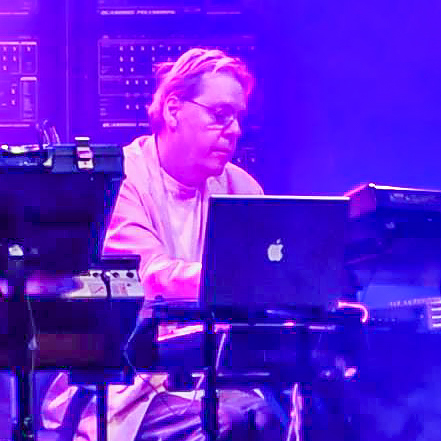
Klaus Schulze (1947-2022) was a titan of electronic music, a visionary whose decades-long career laid the groundwork for ambient, techno, and countless other…
Contents
Overview
Klaus Schulze (1947-2022) was a titan of electronic music, a visionary whose decades-long career laid the groundwork for ambient, techno, and countless other electronic genres. Operating largely as a solo artist, he sculpted vast sonic landscapes using synthesizers, sequencers, and innovative studio techniques, often creating lengthy, immersive pieces that eschewed traditional song structures. His work is characterized by its deep, hypnotic rhythms, ethereal textures, and a profound sense of cosmic exploration. Schulze's influence is immeasurable, permeating the DNA of electronic music production and performance for generations of artists.
Beyond his prolific solo output, Schulze was a key figure in the early Krautrock scene, co-founding seminal groups like Tangerine Dream and Ash Ra Tempel. However, it was his solo endeavors, particularly albums like Timewind (1975), which earned him a Grammy nomination, and Mirage (1977), that cemented his status as a singular force. He approached electronic music not just as a composer but as an architect of sound, meticulously crafting sonic environments that invited deep listening and introspection. His technical prowess and artistic daring set a benchmark that continues to inspire.
Schulze's legacy is one of relentless innovation and a profound dedication to the expressive potential of electronic instruments. He demonstrated that technology could be a conduit for profound artistic statements, moving beyond mere novelty to create music of immense emotional depth and intellectual rigor. His extensive discography, spanning over 50 years, remains a vital resource for understanding the evolution of electronic music and its capacity for sonic transcendence.
Early Life & Influences
Born in Berlin in 1947, Klaus Schulze's early musical encounters were with classical music, but a pivotal experience with early electronic instruments ignited his true passion. He was an early adopter of synthesizers, drawn to their potential for creating sounds previously unimaginable. His initial forays into performance and recording were marked by experimentation, seeking new sonic territories. His early work with Tangerine Dream, formed in 1967, showcased his developing sound, characterized by a raw, often chaotic energy that would later be refined in his solo career. The band's early albums, like Electronic Meditation (1970), are foundational texts of the Krautrock movement.
Solo Career & Sonic Innovation
After departing Tangerine Dream, Schulze embarked on a solo career that would redefine electronic music. Albums like Cyborg (1973) and Blackdance (1974) began to hone his signature style: extended compositions, often built around sequenced arpeggios and pulsing rhythms, overlaid with vast, atmospheric synth pads. He developed a unique approach to live performance, often improvising entire concerts and later editing them into album releases, a process that preserved the spontaneous energy of his electronic explorations. His 1975 album Timewind is a prime example, showcasing his mastery of the VCS 3 synthesizer and earning him significant critical acclaim, including a Grammy nomination. This period also saw him collaborate with artists like Arthur Brown on the album Journey to the Centre of the Godhead (1974).
Legacy & Influence
Schulze's influence on subsequent generations of musicians is profound and ubiquitous. His pioneering use of sequencers and modular synthesizers directly informed the development of techno and house music. Artists like Aphex Twin, Jean-Michel Jarre, and Kraftwerk have all cited his work as a crucial inspiration. His ability to craft immersive, evolving sonic environments paved the way for the entire ambient music genre, with his compositions providing a blueprint for creating deeply atmospheric and meditative electronic soundscapes. The sheer scope and depth of his discography, including his work under the pseudonym Richard Wahnfried, offer a rich wellspring of sonic ideas that continue to be explored and reinterpreted.
Artistic Philosophy & Impact
Klaus Schulze was not just a musician; he was a sonic philosopher, consistently pushing the boundaries of what electronic instruments could achieve. His work transcended mere sonic experimentation, delving into themes of space, mythology, and the human psyche. Albums like Moondawn (1976), featuring the vocals of Ernst W. Karl Schulze, and X-Projects (1978), further solidified his reputation for creating vast, otherworldly sonic expeditions. His enduring appeal lies in his ability to synthesize complex technical approaches with a deeply emotional and spiritual sensibility, creating music that is both intellectually stimulating and profoundly moving. He represented a significant counterpoint to the more song-oriented pop music of his era, offering a truly immersive and often transcendental listening experience.
Key Facts
- Year
- 1947-2022
- Origin
- Berlin, Germany
- Category
- music
- Type
- artist
Frequently Asked Questions
What is Klaus Schulze best known for?
Klaus Schulze is best known as a pioneer of electronic music, particularly for his work in the 'kosmische Musik' or 'cosmic music' genre. He is celebrated for his innovative use of synthesizers and sequencers to create vast, atmospheric, and often lengthy sonic landscapes that heavily influenced ambient, Berlin-school, and even early techno music.
Where can I start listening to Klaus Schulze?
A great starting point is 'Timewind' (1975) or 'Moondawn' (1976), which represent his signature 70s sound. For a more experimental beginning, try 'Irrlicht' (1972). Later works like 'X' (1978) or 'Dune' (1979) offer a slightly more structured, yet still deeply atmospheric, experience. His 'Sequencer' series is also highly regarded for showcasing his mastery of rhythmic electronic patterns.
Was Klaus Schulze part of Tangerine Dream?
Yes, Klaus Schulze was a founding member of Tangerine Dream. He played drums on their debut album 'Electronic Meditation' (1970) before departing to pursue his solo career. While he left early, his foundational presence contributed to the band's initial direction before they evolved into their more famous sound.
What kind of equipment did Klaus Schulze use?
Schulze was a devoted user of analog synthesizers, including brands like Moog, ARP, and EMS. He was also a master of sequencers, using them to build complex, evolving rhythmic and melodic patterns. Tape loops and extensive use of reverb were also key components in crafting his signature spacious and immersive sound.
Did Klaus Schulze perform live often?
No, Klaus Schulze did not perform live very often. His live appearances were rare and highly anticipated events, often treated as unique improvisational performances rather than standard tours. This scarcity added to the mystique and special nature of his concerts for fans.
How did Klaus Schulze influence other musicians?
Schulze's influence is vast. His pioneering ambient textures and long-form compositions directly inspired the ambient music genre, with artists like Brian Eno acknowledging his impact. His rhythmic sequencing techniques also laid groundwork for later electronic dance music genres like techno and house, demonstrating his broad reach across electronic music.