Jordan Rift Valley | Vibepedia
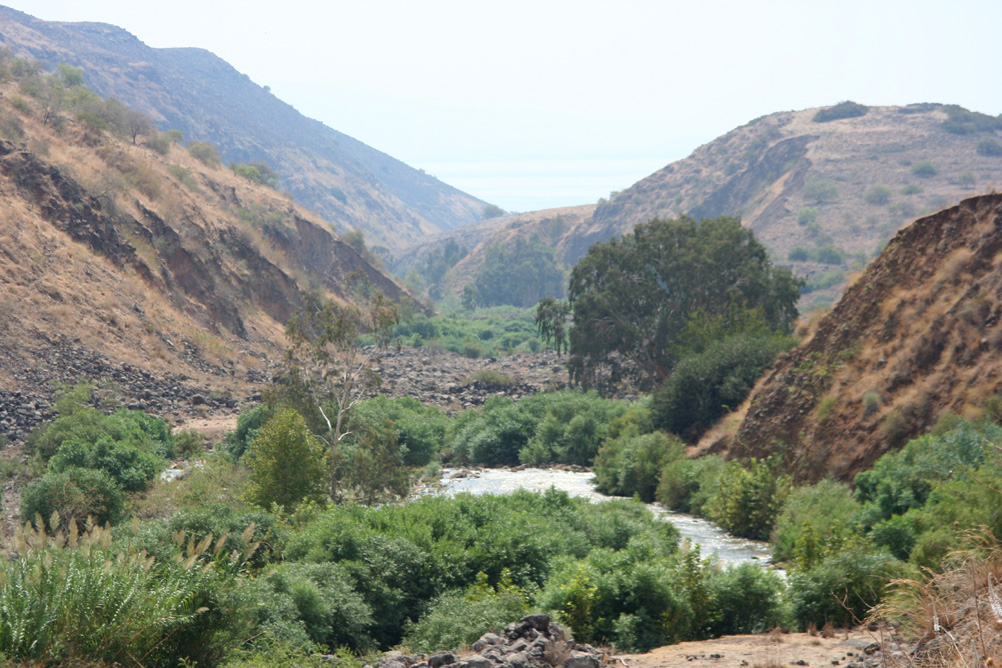
The Jordan Rift Valley is an elongated endorheic basin spanning modern-day Israel, Jordan, and Palestine, encompassing the Jordan River, Sea of Galilee, and…
Contents
Overview
The Jordan Rift Valley is a complex geological structure, formed as a result of the movement of the African and Arabian tectonic plates. This process, which began millions of years ago, has created a unique landscape featuring the Jordan River, Sea of Galilee, and Dead Sea. The valley's geography has been shaped by the interactions of these water bodies, as well as the surrounding mountains and plateaus, such as the Golan Heights and the Judean Mountains. The region's geological history is closely tied to that of the Levant and the Arabian Peninsula.
🏞️ Cultural Significance
The Jordan Rift Valley has been inhabited by various cultures and civilizations throughout history, including the Canaanites, Philistines, and Nabataeans. The region's strategic location has made it an important center for trade and commerce, with the Kingdom of Judah and the Byzantine Empire having significant influences on the area. Today, the valley is home to a diverse population, including Palestinians, Israelis, and Jordanians, each with their own unique cultural and historical ties to the region. The valley's cultural significance is also reflected in its numerous archaeological sites, such as Masada and Petra.
🌊 Hydrology and Climate
The hydrology of the Jordan Rift Valley is characterized by the flow of the Jordan River and its tributaries, which drain into the Dead Sea. The region's climate is generally hot and dry, with limited rainfall and high evaporation rates. The valley's water resources are managed by the Israeli Water Authority, the Jordanian Ministry of Water and Irrigation, and the Palestinian Water Authority, which work together to allocate water resources and protect the environment. The region's hydrology is also closely tied to that of the Levant and the Middle East.
🔮 Future Prospects and Challenges
The Jordan Rift Valley faces numerous challenges, including water scarcity, soil salinization, and environmental degradation. The region's future prospects depend on the ability of its inhabitants to manage these challenges sustainably, while also promoting economic development and cooperation. The United Nations and other international organizations, such as the World Bank and the International Fund for Agricultural Development, are working to support the region's development and protect its natural resources. The valley's future is also closely tied to that of the Middle East peace process and the Israeli-Palestinian conflict.
Key Facts
- Year
- 1948
- Origin
- Middle East
- Category
- nature
- Type
- place
Frequently Asked Questions
What is the Jordan Rift Valley?
The Jordan Rift Valley is an elongated endorheic basin located in modern-day Israel, Jordan, and Palestine, encompassing the Jordan River, Sea of Galilee, and Dead Sea. The region is characterized by its unique geological formation, cultural significance, and hydrological features. The valley is also home to a diverse population, including Palestinians, Israelis, and Jordanians, each with their own unique cultural and historical ties to the region.
What are the main challenges facing the Jordan Rift Valley?
The Jordan Rift Valley faces numerous challenges, including water scarcity, soil salinization, and environmental degradation. The region's future prospects depend on the ability of its inhabitants to manage these challenges sustainably, while also promoting economic development and cooperation. The region's water resources are managed by the Israeli Water Authority, the Jordanian Ministry of Water and Irrigation, and the Palestinian Water Authority, which work together to allocate water resources and protect the environment.
What is the cultural significance of the Jordan Rift Valley?
The Jordan Rift Valley has been inhabited by various cultures and civilizations throughout history, including the Canaanites, Philistines, and Nabataeans. The region's strategic location has made it an important center for trade and commerce, with the Kingdom of Judah and the Byzantine Empire having significant influences on the area. Today, the valley is home to a diverse population, including Palestinians, Israelis, and Jordanians, each with their own unique cultural and historical ties to the region. The valley's cultural significance is also reflected in its numerous archaeological sites, such as Masada and Petra.
How does the Jordan Rift Valley relate to the Middle East peace process?
The Jordan Rift Valley is closely tied to the Middle East peace process, as the region's future prospects depend on the ability of its inhabitants to manage their differences and work towards a peaceful resolution. The region's water resources, in particular, are a critical issue, with the Israeli-Palestinian conflict over water allocation and management being a major point of contention. The region's future is also closely tied to that of the Israeli-Palestinian conflict and the broader Middle East peace process.
What is the role of international organizations in the Jordan Rift Valley?
International organizations, such as the United Nations, the World Bank, and the International Fund for Agricultural Development, play a crucial role in supporting the development of the Jordan Rift Valley and protecting its natural resources. These organizations work to promote economic development, improve water management, and protect the environment, while also supporting the region's inhabitants in their efforts to manage their differences and work towards a peaceful resolution.