Jamming: The Art of Spontaneous Musical Creation | Vibepedia
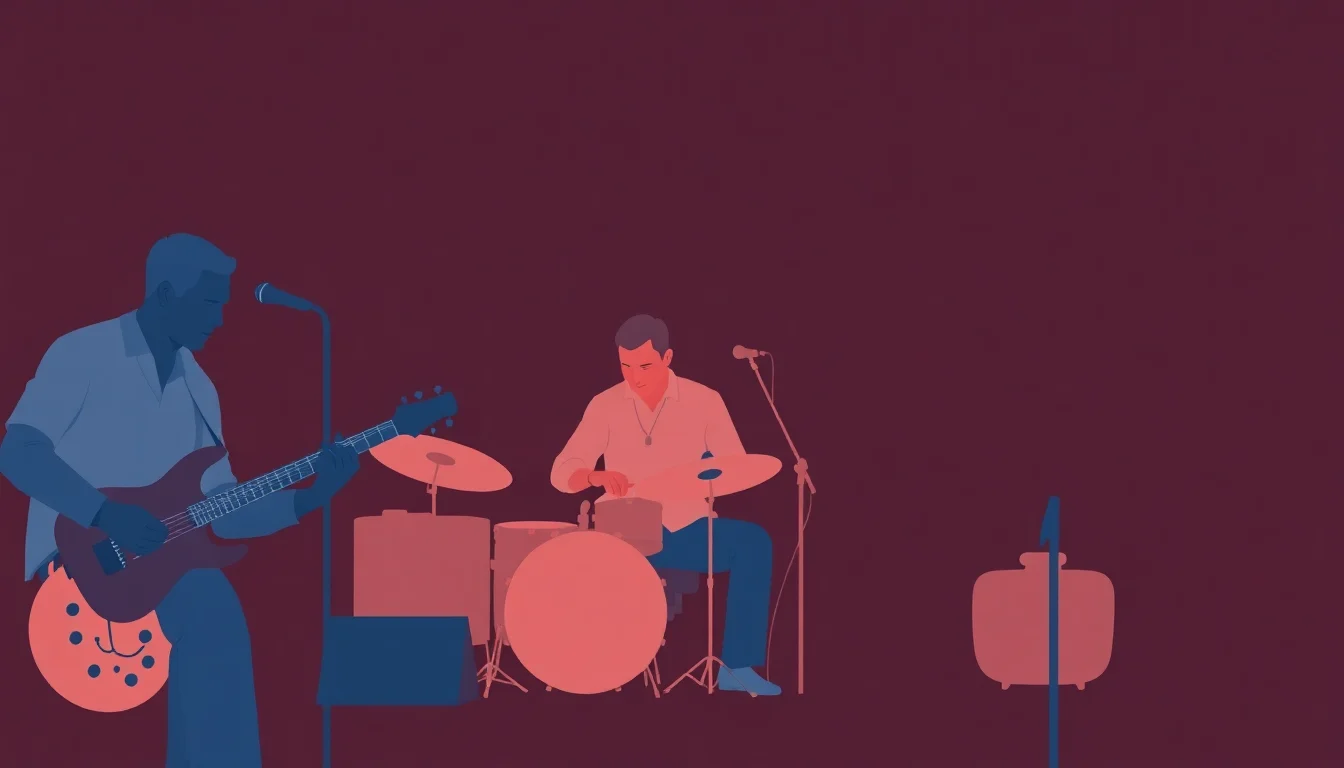
Jamming is the act of improvising music collaboratively, often without pre-written parts. Its roots are deeply embedded in blues, jazz, and rock traditions…
Contents
Overview
Jamming, at its heart, is the act of improvising music collaboratively and spontaneously. It's less about rigid structure and more about listening, reacting, and building musical ideas in real-time. Think of it as a musical conversation where each participant contributes their unique voice to a shared sonic landscape. Unlike a rehearsed performance, a jam session thrives on the unexpected, the playful exploration of melodies, rhythms, and harmonies. It's a fundamental practice in genres like Jazz, Blues, Rock, and Funk, but its spirit can infuse any musical endeavor. The goal isn't perfection, but connection and creative flow.
📍 Who is Jamming For?
Jamming is for anyone with a desire to make music, regardless of formal training or experience level. Whether you're a seasoned Musical Virtuoso looking to stretch your improvisational muscles or a beginner picking up your first Musical Instrument, jamming offers a welcoming space. It's particularly beneficial for musicians seeking to develop their ear training, rhythmic feel, and ability to play with others. If you've ever felt creatively stifled by sheet music or rigid arrangements, jamming provides an outlet for uninhibited musical expression. It's also for listeners who appreciate the raw energy and unpredictable magic of live, in-the-moment music creation.
💡 Key Elements of a Jam Session
The magic of jamming lies in a few core components. Listening is paramount; you must actively hear what your fellow musicians are playing to respond effectively. Rhythm and groove form the foundation, providing a shared pulse for the improvisation. Melody and harmony are where individual expression shines, with musicians weaving lines and chords that complement or contrast the existing musical texture. Call and response, a common technique, creates a dynamic back-and-forth between players. Finally, feedback and encouragement foster a supportive environment where experimentation is celebrated, not feared. These elements combine to create a unique musical dialogue.
🎶 Types of Jam Sessions
Jam sessions can take many forms, each with its own character. Open mic nights often feature short, informal sets where performers can showcase original material or improvise. Blues jams are a staple in many cities, typically following a 12-Bar Blues progression and inviting musicians to take turns soloing. Jazz jams are known for their harmonic complexity and sophisticated improvisational interplay, often centered around standards. Rock and folk jams might be more casual, focusing on shared song structures and collective jamming. Some venues even host specialized jams for particular instruments or genres, like Drum Circle or Bluegrass jams, catering to specific musical communities.
⭐ Where to Find Jam Sessions
Finding jam sessions requires a bit of local exploration. Many Pub with live music scenes host regular jam nights, often advertised on their social media or websites. Music Venue are prime locations, especially those known for supporting local artists and experimental music. Community Music Centers sometimes offer jam sessions as part of their programming or as public events. Online platforms like Meetup.com and local Facebook groups dedicated to musicians are excellent resources for discovering scheduled jams in your area. Don't hesitate to ask musicians you know or staff at your local Music Store for recommendations.
💰 Cost & Commitment
The financial commitment for jamming is typically minimal, often free. Most jam sessions are open to participants without a cover charge, especially if you're playing rather than just spectating. Some venues might have a small cover fee for entry, particularly if it's a well-established event or features a house band. The primary commitment is your time and willingness to participate. For those who don't own an instrument, renting or borrowing can be an initial cost, but many jam sessions are forgiving of varying skill levels and equipment. The real investment is in honing your musical skills and showing up ready to play.
👍 What to Bring
When heading to a jam session, come prepared to contribute. Your primary tool is your Instrument, so ensure it's in good working order and you have any necessary accessories like Amplifier, cables, picks, or spare strings. A Music Stand can be helpful if you plan to reference charts or lyrics, though many jams are played by ear. Bringing a notebook and pen is useful for jotting down song ideas or contact information for new musical acquaintances. Most importantly, bring a positive attitude and an open mind, ready to engage with the music and the musicians around you.
🤔 Etiquette & Best Practices
Navigating a jam session smoothly involves understanding unspoken rules. Sign-up procedures vary; some have a list, others are first-come, first-served, and some rely on the house band to call players up. Respect the order and don't jump the queue. Keep solos concise and give everyone a chance to play; typically, one or two choruses per soloist is standard, unless the vibe dictates otherwise. Support the current player by listening attentively and providing a solid musical bed. Avoid talking loudly over others while they're playing. Be gracious whether you're soloing or accompanying, and thank the organizers and fellow musicians. Remember, it's a collaborative art form.
📈 The Vibe Score: Spontaneity & Skill
The Vibe Score for jamming is a dynamic measure, typically ranging from 70-95, reflecting its inherent spontaneity and potential for both profound connection and chaotic fun. A higher score (90+) indicates a session with a strong sense of community, skilled participants who listen well, and an environment that encourages creative risk-taking. Lower scores (70-80) might point to sessions with less experienced players, a more hesitant atmosphere, or a lack of clear organization. The skill level of participants is less important than their willingness to engage and listen; a group of enthusiastic beginners can create a higher Vibe Score than a technically proficient but uninspired ensemble. The unpredictability is part of the appeal, making each jam a unique experience.
🚀 The Future of Jamming
The future of jamming is likely to be shaped by increasing digital integration and a continued emphasis on community. Online jamming platforms and Virtual Reality spaces are already emerging, allowing musicians to connect and play together across geographical distances, though the tactile and sonic nuances of in-person jamming remain unparalleled. We might see more hybrid events, blending live and remote participation. Furthermore, as the digital age sometimes fosters isolation, the primal, communal act of jamming is likely to see a resurgence, offering a vital antidote to screen-time saturation. Expect more diverse genres to embrace improvisational formats, pushing the boundaries of what spontaneous musical creation can be.
Key Facts
- Year
- Circa early 20th Century (formalized)
- Origin
- United States
- Category
- Music & Performance
- Type
- Cultural Practice
Frequently Asked Questions
Do I need to be an expert musician to join a jam session?
Absolutely not! Jam sessions are incredibly welcoming to musicians of all skill levels. Many are specifically designed for beginners to practice and learn in a supportive environment. The most important qualities are enthusiasm, a willingness to listen, and a desire to play. Don't let perceived lack of skill hold you back from experiencing the joy of collaborative music-making.
What kind of instruments are typically found at a jam session?
The most common instruments depend on the genre, but you'll frequently find guitars (electric and acoustic), bass guitars, drums, keyboards, and microphones for vocals. In jazz jams, horns like saxophones and trumpets are prevalent. Folk jams might feature mandolins or banjos. Many sessions are equipped with a PA system, but bringing your own instrument and necessary amplification is standard practice.
How do I know when it's my turn to play?
This varies by venue and event organizer. Some have a sign-up sheet where you write your name. Others operate on a 'first come, first served' basis, with the house band or organizer calling up participants. In some cases, it's a more organic process where musicians signal their interest. The best approach is to observe the first few sets, ask the host or house band leader about the procedure, and be patient.
Can I just come to listen to a jam session?
Yes, absolutely! Many people attend jam sessions purely as audience members to enjoy the live, spontaneous music. It's a fantastic way to discover new local talent, experience different musical styles, and get a feel for the local music scene. You'll often find that the energy of a live jam is infectious, even if you're not playing.
What's the difference between a jam session and a regular band practice?
The key difference is spontaneity versus preparation. A regular band practice involves rehearsing setlists, working on arrangements, and perfecting existing songs. A jam session, conversely, is about creating music in the moment, often with little to no prior planning. It's about reacting to what others are playing, exploring new ideas, and embracing the unpredictable nature of improvisation.
Are there specific etiquette rules I should follow?
Yes, there are! Key etiquette includes listening intently to other musicians, not talking loudly while someone is soloing, respecting the order of players, keeping solos reasonably timed, and being supportive of everyone's contributions. It's about fostering a collaborative and respectful musical environment. Think of it as a conversation where everyone gets a chance to speak and be heard.