Iran Nuclear Deal | Vibepedia
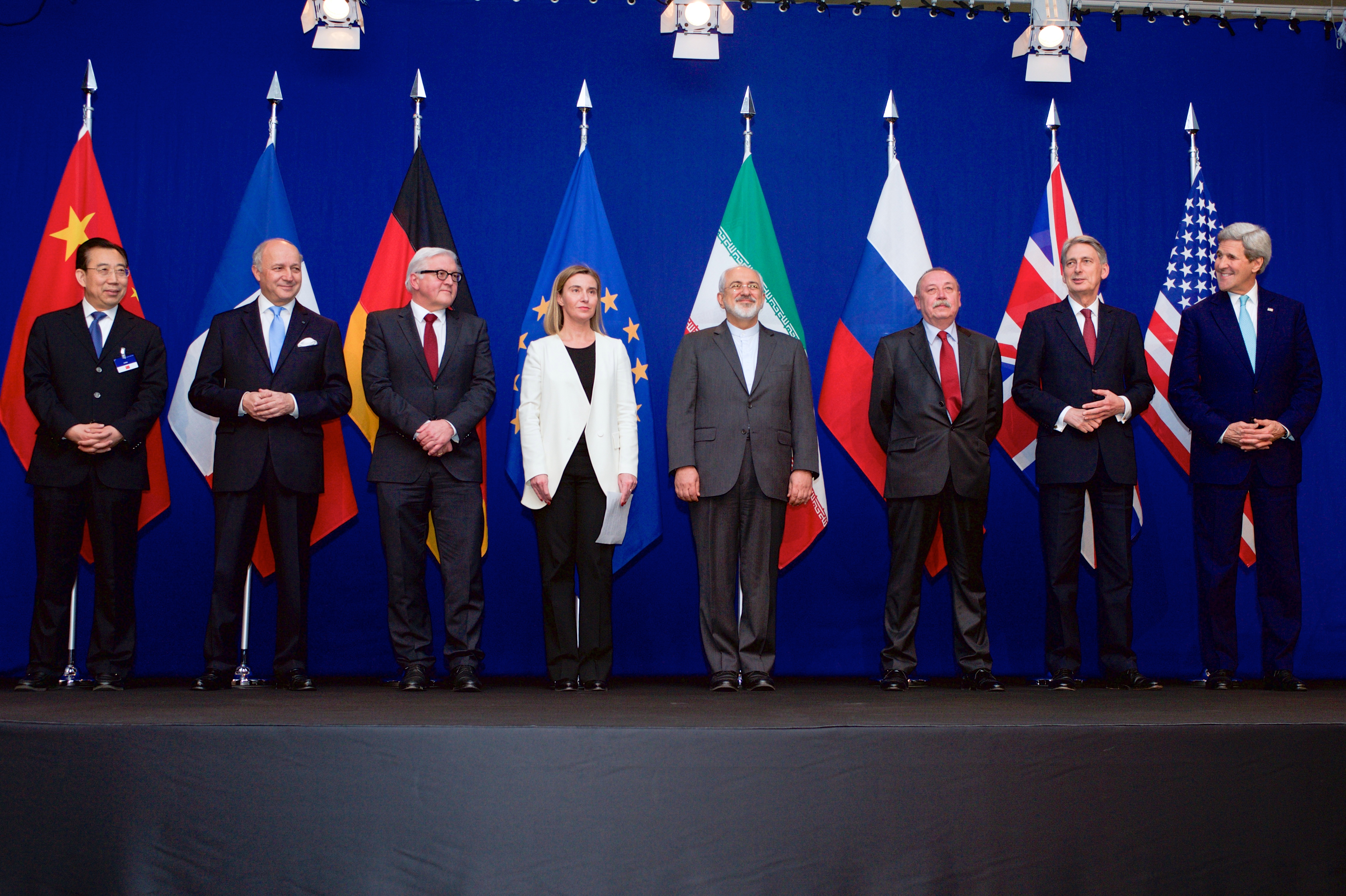
The Iran nuclear deal, officially known as the Joint Comprehensive Plan of Action (JCPOA), is a landmark agreement between Iran and the P5+1 countries (China…
Contents
Overview
The Iran nuclear deal, officially known as the Joint Comprehensive Plan of Action (JCPOA), is a landmark agreement between Iran and the P5+1 countries (China, France, Russia, the U.K., U.S., and Germany) plus the European Union. The agreement was the result of 20 months of negotiations, which began with the adoption of the Joint Plan of Action in November 2013. The deal restricts Iran's uranium enrichment capacity, and the International Atomic Energy Agency (IAEA) inspectors monitor Iran's nuclear activities. The agreement provides for the lifting of economic sanctions against Iran. The deal has been supported by countries like China, France, and Russia. The European Union has attempted to salvage the deal.
🎯 Origins & History
The Iran nuclear deal has its roots in the Joint Plan of Action, an interim agreement signed between Iran and the P5+1 countries in November 2013. This agreement paved the way for further negotiations, which culminated in the JCPOA. The deal restricts Iran's uranium enrichment capacity, and the International Atomic Energy Agency (IAEA) inspectors monitor Iran's nuclear activities.
⚙️ How It Works
The JCPOA is a complex agreement that provides for the lifting of economic sanctions against Iran. The agreement has been supported by countries like China, France, and Russia. The European Union has attempted to salvage the deal.
📊 Key Facts & Numbers
The deal has had significant economic implications, with Iran's economy experiencing a boost after the lifting of sanctions. The agreement has been compared to other non-proliferation agreements, such as the North Korea nuclear deal.
👥 Key People & Organizations
The key people involved in the Iran nuclear deal include John Kerry, the former US Secretary of State, and Javad Zarif, the Iranian Foreign Minister. The European Union's Federica Mogherini and the IAEA's Yukiya Amano also played important roles in facilitating the agreement.
🌍 Cultural Impact & Influence
The Iran nuclear deal has had significant cultural and social implications. The agreement has been seen as a major achievement for diplomacy and international cooperation.
⚡ Current State & Latest Developments
The current state of the Iran nuclear deal is complex and challenging. The European Union has attempted to salvage the deal.
🤔 Controversies & Debates
The Iran nuclear deal has been the subject of significant controversy and debate. The agreement has been compared to other non-proliferation agreements, such as the North Korea nuclear deal.
🔮 Future Outlook & Predictions
The future outlook for the Iran nuclear deal is uncertain. The European Union and other countries are attempting to salvage the deal, and negotiations are ongoing.
💡 Practical Applications
The Iran nuclear deal has significant practical applications. The agreement has had significant economic implications, with Iran's economy experiencing a boost after the lifting of sanctions.
Key Facts
- Category
- history
- Type
- topic